Goli Innocent
Lagos — Nigeria’s energy narrative remains one of vast potential constrained by persistent inefficiencies. With 37.2 billion barrels of proven crude oil reserves, the country should be operating from a position of strength. Yet, for millions of Nigerians, daily life is still powered by generators, candles, and costly alternatives. This contradiction is not just structural, it is economic, and it continues to drain national value.
Crude oil remains the backbone of Nigeria’s economy. Operating within an OPEC production quota of 1.5 million barrels per day, the country has struggled to consistently meet this threshold, with output fluctuating between 1.31 million and 1.46 million bpd. That shortfall sometimes as high as 12% below quota represents lost revenue in an economy where oil exports still dominate foreign exchange inflows.
The reasons are clear and recurring. Pipeline vandalism, crude theft, and ageing infrastructure continue to weaken output. In some instances, losses exceed 100,000 barrels per day, translating into billions of dollars in unrealised earnings. This is not a demand issue; it is a systemic failure that limits Nigeria’s ability to fully benefit from its resource endowment.
Despite these setbacks, the sector continues to generate substantial income. Export earnings remain strong, while the Nigerian National Petroleum Company (NNPC) delivers trillions of naira annually to government coffers. Oil, for now, remains Nigeria’s most dependable revenue engine.
On the downstream front, however, a quiet transformation is underway. The 650,000 bpd Dangote Refinery has already begun to reposition Nigeria as a net exporter of refined petroleum products, supplying European and African markets. Alongside it, emerging private players such as the Waltersmith Modular Refinery (Imo State) and the Aradel/NDPR-operated Ogbele Refinery are gradually expanding local refining capacity, albeit on a smaller scale. These developments signal a shift towards domestic value addition and reduced reliance on imports.
Yet, a deeper inefficiency persists Nigeria continues to consume its most valuable export locally. The widespread use of petrol and diesel generators means that high-value crude is effectively downgraded into low-efficiency domestic energy. This is where renewable energy becomes not just an environmental option, but a strategic economic tool.
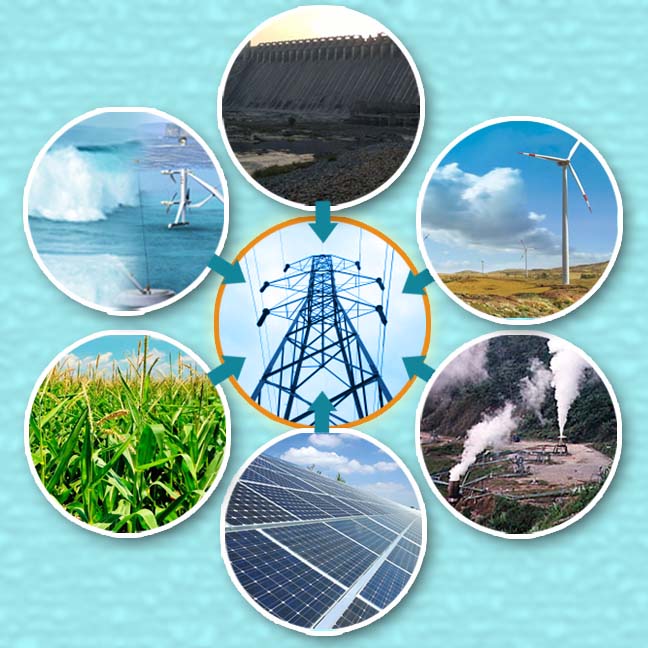
A nationwide transition to solar, hydro, and other renewable solutions would fundamentally reshape this equation. By cutting dependence on petrol and diesel, Nigeria would free up more crude and refined products for export, strengthen foreign exchange inflows, and improve overall energy efficiency. More importantly, it would allow the country to fully optimise its OPEC allocation, ensuring that every permitted barrel translates into revenue.
Critically, renewable adoption would also weaken the economic drivers of pipeline vandalism and crude theft. A significant portion of illegal refining and theft is sustained by local demand for fuel. Once that demand declines, the incentive structure shifts. Simply put, when there is less market for stolen fuel, the motivation to vandalise pipelines reduces sharply.
Beyond oil, the broader economic benefits are substantial. Renewable energy lowers electricity costs, boosts productivity, and reduces the financial pressure on households navigating a high cost-of-living environment. It also unlocks new industries from solar assembly and installation to green financing creating jobs and diversifying the economy.
Nigeria’s path forward is not a choice between oil and renewables. It is a question of alignment. Oil will continue to fund the economy, but renewable energy will determine how efficiently that wealth is utilised. Until Nigeria stops burning value domestically and starts optimising it globally, its energy story will remain one of unrealised potential.