Shifting political and regulatory dynamics
Political transitions, new governance frameworks and evolving resource-nationalism policies are reshaping investment conditions across key African markets. Recent elections in South Africa, Senegal and Mozambique have underscored how political shifts can influence investor sentiment and project timelines.
Governments are also placing greater emphasis on local content and state participation. Countries including Namibia, Tanzania, Senegal and South Africa are reassessing ownership structures and employment frameworks—moves that could raise national benefits but also introduce new regulatory complexity for operators.
Environmental scrutiny is intensifying, particularly in emerging exploration zones such as Namibia, the Democratic Republic of Congo and South Africa, where civil society engagement is increasingly influencing permitting and timing.
Licensing activity accelerates across sub-Saharan Africa
A wave of competitive bid rounds—ongoing or planned in Angola, Nigeria, the Republic of Congo, the DRC and Tanzania—is drawing new interest from both international operators and regional independents. Many governments have revised fiscal terms to improve returns, streamlined approval processes and clarified licensing frameworks to attract investment to deepwater acreage and marginal fields.
Countries such as Angola and Nigeria have enacted some of the most significant reforms, introducing incentives for gas developments, incremental production and marginal field redevelopment. These measures have positioned both markets as leading destinations for upstream capital.
Emerging frontier plays—including Ivory Coast, Kenya, Namibia and Senegal/Mauritania—are attracting renewed attention for strategic acquisitions and greenfield development.
Gas regulation becomes central to investment strategy
African governments are increasingly prioritizing clear regulatory structures for natural gas to support industrialization, expand domestic power supply and unlock new export potential. Progress varies by market: while Congo’s floating LNG program has advanced, Nigeria, South Africa and Tanzania continue to face delays due to contractual uncertainties.
Upcoming gas master plans and legislation in Angola, Congo, Nigeria and South Africa will be critical in determining how rapidly gas resources can be commercialized.
Country developments highlight rising competitiveness
- Angola continues to lead the continent in above-ground attractiveness due to sustained regulatory and institutional reform, combined with improved fiscal incentives for gas and mature asset redevelopment.
- Ivory Coast remains investor-friendly and is expected to maintain upstream policy stability following its 2025 elections, particularly for offshore development requiring strong local content frameworks.
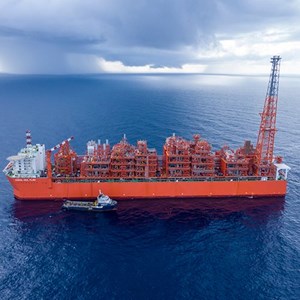
- Mozambique is progressing toward a cautious restart of its onshore LNG megaprojects as security conditions stabilize in Cabo Delgado. Offshore progress, including Eni’s Coral North FLNG, remains on schedule.
- Namibia is restructuring sector oversight and advancing toward producer status, though proposed increases in NOC participation and local content requirements may slow approvals during a pivotal development stage.
- Nigeria is reinvigorating its licensing system, launching its third round in three years and introducing terrain-specific fiscal terms. Recent progress on projects such as TotalEnergies’ Ubeta gas development and Shell’s Bonga North deepwater FID signal renewed investor confidence.