… Demand urgent climate action
Mkpoikana Udoma
Port Harcourt — In a bold call for environmental accountability, civil society organisations and environmental advocates have declared air pollution in the Niger Delta, particularly in Rivers State, as an invisible public health emergency, likening daily life in Port Harcourt to involuntary smoking due to unchecked fossil fuel emissions.
This revelation came during a preliminary stakeholders’ consultation meeting organized by the Media Awareness and Justice Initiative, MAJI, bringing together civil society organisations, government agencies, and the media to strengthen data for climate action in Rivers State.
Executive Director of MAJI, Mr Okoro Emmanuel Onyekachi, stressed that the time has come for Nigeria to move from anecdotal claims to evidence-based environmental governance, starting with rigorous data collection and baseline assessment.
Onyekachi, whose organisation has deployed air quality monitors across urban and rural areas in Rivers State, revealed that pollution is alarmingly high in both settings, although driven by different factors.
He said: “We plan to collect all the data we can and use it to develop a baseline document. If change must be tracked, you must understand the baseline. We want to use the findings to engage stakeholders, carry out technical trainings, and improve environmental governance across the country.
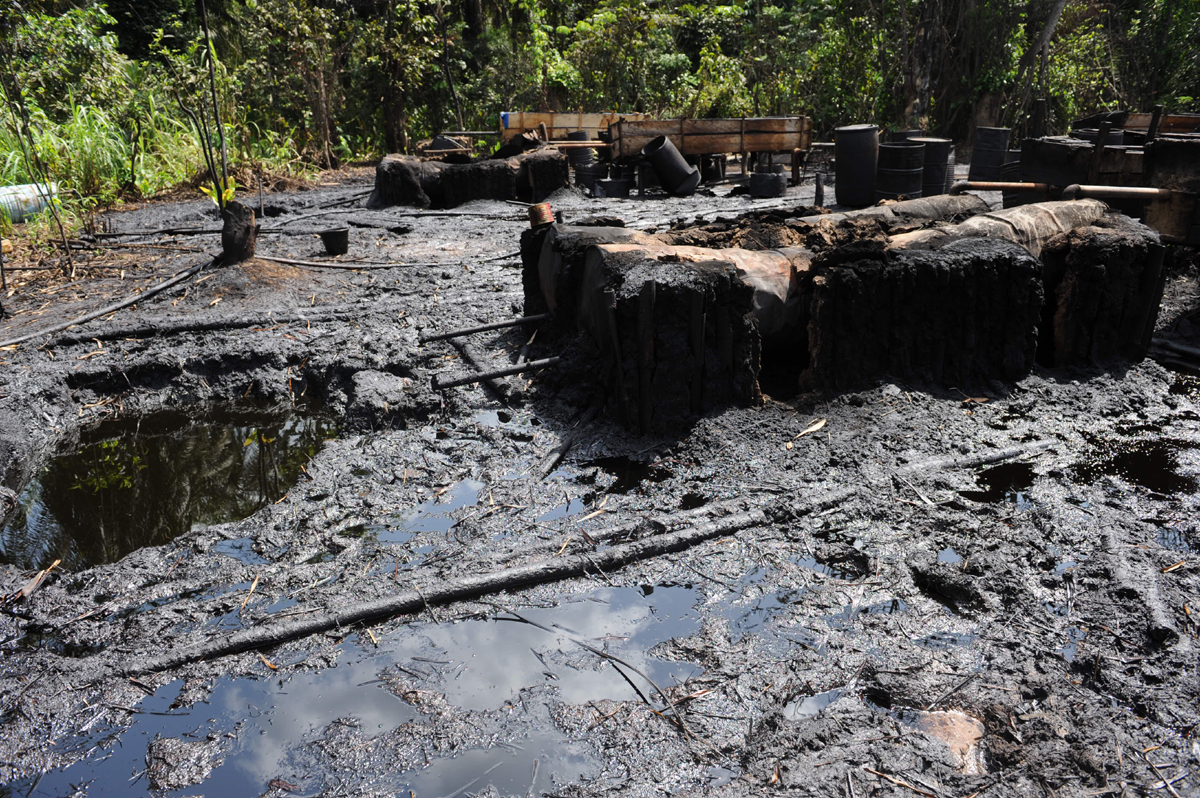
“In rural areas where we have devices, we see high levels of pollution, especially where oil activities and artisanal refining occur. Some areas are moderate due to limited exposure. But in urban areas, pollution exists due to increased vehicular movement and fossil-fuel-based machinery. Everyone living in Port Harcourt should be worried, we’re all smokers here.”
The phrase, “we’re all smokers in Rivers State” captured the room, illustrating the invisible but devastating impact of fossil fuel combustion and poor air regulation on human health.
Onyekachi warned that even residents who may not feel immediate symptoms are “progressing towards sensitivity,” a dangerous trend if left unaddressed.
“This is a call for the health sector to begin speaking directly to the industries and contributors to environmental pollution. Government should use the available data to develop and enforce strong policies and block regulatory gaps,” he said.
The consultation forum is part of a broader project aimed at establishing an environmental data culture in Nigeria. MAJI plans to use the baseline report to push for community engagement, policy reform, and stakeholder collaboration, especially in oil-producing regions.
Climate justice advocates at the forum insisted that data is power and that empowering communities with accurate environmental data is the first step to reclaiming their health, livelihoods, and future.
“We’re not just collecting data, we’re arming the people with truth,” Onyekachi said.
Also speaking, Mr Steve Obodoekwe, a CSO activist and participant at the forum, echoed similar concerns. He criticised the historical neglect of air pollution in environmental conversations and applauded MAJI for shedding light on the toxic air crisis in the Niger Delta.
“We have always talked about oil spills, land and water pollution, but air quality has been neglected. It’s one of the silent killers because polluted air causes damage internally. You may not feel it now, but the body is already affected.”
He added that most residents do not realise the extent of internal harm until it’s too late. “We have crossed the stage of just black soot, now we’re breathing in invisible poisons.”
As Nigeria positions itself on the global climate map, CSOs say ignoring the Niger Delta’s air quality crisis would be a betrayal of both justice and public health.