 25 October 2011, Vanguard Newspaper Editorial, Lagos – Everybody needs fuel. Nobody needs fuel subsidy as governments have shown over the years. Fuel subsidy is a convoluted conspiracy that is at best a racket raised to a national pantheon because each government has discovered the bogey called subsidy serves its interests and myriad interests that cannot pass any scrutiny.
Nigerians, under the guise of subsidy are paying for what they do not know. The alleged subsidy is used to ensure fuel is sold at the same price throughout the country, a myth government has no interests in making a reality.
Every Nigerian, who uses fuel — and there is nobody who does not — pays fully for it, in addition to subsidising government for poor services that government agencies provide.
Subsidy is in the imagination of government, which knows the argument centres on making more cash available for government. Propositions about infrastructure government would build if subsidy goes, are stale and founded on lies.
Nineteen years ago when arguments on fuel subsidy were at their most strident notes, government promised that if fuel sold at N5 per litre, it would invest in electricity, education, housing, rails, roads, water. Nigerians were told fuel subsidy was a wasteful evil that enhanced corruption and held Nigeria from taking the leap to prosperity.
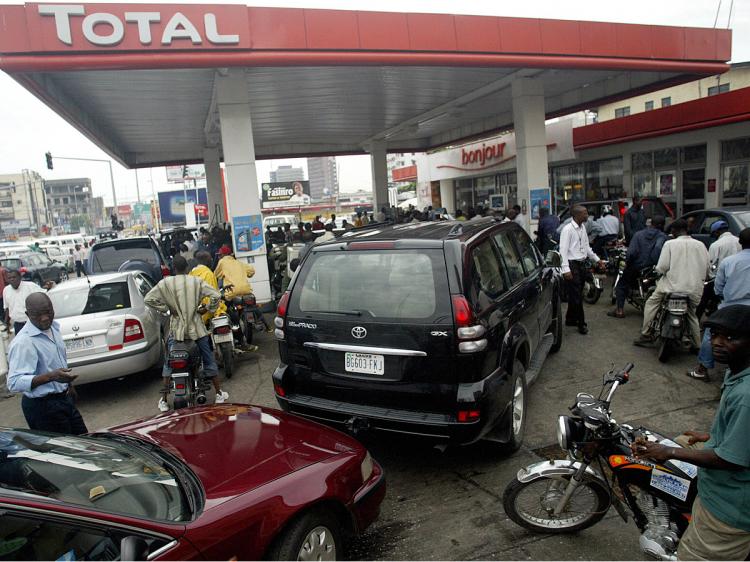
The price of fuel is N65 officially, subject to availability, and depending on the part of the country.
The same unimaginative argument that the removal of subsidy would make fuel available at the same price throughout the country has proved futile. The simple reason being that fuel cannot be available everywhere in Nigeria at the same price. Costs incurred in moving the products and the adequacy of infrastructure to hold products at economically profitable quantities account for this.
Subsidy is a big lie told for too long with the hope that it would be believed. Improvements on infrastructure are unrelated to price of fuel. Governments live big on free money from crude oil. On the sides, fuel importation provides another stream of free money for government officials, who push subsidy solely for their own benefits and for sustenance of governments that have grown too large to run on official revenue.
Fuel importation and the largesse from subsidy are responsible for government’s disinterest in making the refineries work. If the refineries work, will they not reduce the volume of imported fuel? Will they not create jobs? Will Nigeria’s petro-chemical industries not blossom from the by-products of crude oil?
If ever there is a subsidy, government should remove it. However, government knows that its arguments are weak, they have always been. There are no infrastructures that can stand up to that name, electricity hardly works, majority of Nigerians produce their own water, however, they do it. Will government say it is unaware of these?
With billions of Naira Nigerians spend annually in providing infrastructure — mostly fuelled with petrol — how can government speak of fuel subsidy? Has government not learnt that no matter at what price it sells fuel, there is racketeering of the product because the hinterlands and coasts cannot have unfettered access to the product?
Subsidy debates, detached from proposal on the totality of the economy, are diversionary, defeatist, and too determined to fulfil the ambitions of a country making pretences to an interest in a stable future for its people.
It is disingenuous for government to throw these debates at people to create time for it to indulge in governance without the people.