Close Menu
    Facebook X (Twitter) Instagram
    Facebook X (Twitter) Instagram
    SweetCrudeReportsSweetCrudeReports
    Subscribe
    • Home
    • Oil
    • Gas
    • Power
    • Solid Minerals
    • Labour
    • Financing
    • Freight
    • Environment
    • Community Development
    • Renewable Energy
    • E-Editions
    SweetCrudeReportsSweetCrudeReports
    Home » Nigeria, unions set eight-week timeline to agree minimum wage

    Nigeria, unions set eight-week timeline to agree minimum wage

    June 21, 2023
    Share
    Facebook Twitter LinkedIn WhatsApp
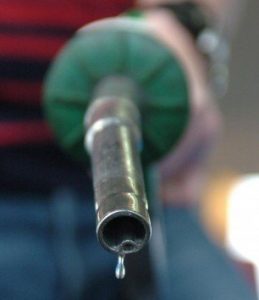
    *Petrol dispenser nozzle.

    Abuja — Nigeria’s main labour unions and the government on Monday set an eight-week timeline to finalise an agreement to raise the minimum wage to help cushion the impact of high fuel prices after the removal of a popular but costly petrol subsidy.

    The Nigeria Labour Congress, NLC, and the Trade Union Congress, TUC, had threatened to strike after fuel prices tripled following President Bola Tinubu’s decision to scrap the subsidy.

    Talks with the unions are one of the first challenges the new administration faces as it pushes forward with a raft of economic reforms.

    The parties agreed to set up work groups whose terms of reference will be agreed later on Tuesday with some expected to start submitting their reports next week.

    “Both parties went through the list (of demands) and we ticked off the viable ones which are now broken into three categories; those that can be given immediate attention, those that can be achieved in the medium term, and long term,” said Dele Alake, a spokesman for the president, said.

    TUC President Festus Osifo said the process would be completed in eight weeks.

    “Everything must be rolled out within that time, (it is) not something that we are going to leave endlessly,” he said.

    The parties will reconvene on June 26.

    Tinubu, who took office last month, is embarking on Nigeria’s biggest reforms in decades, seeking to tackle low growth, high debt burden, rising inflation and mounting insecurity in Africa’s largest economy.

    In 2012, a wave of strikes and protests ensued when the government tried to end the subsidy, with authorities eventually backtracking. Tinubu, then in the opposition, was among those who opposed the measure.

    *Camilus Eboh; Elisha Bala-Gbogbo, editing: Ed Osmond – Reuters

    Follow us on twitter
    Related News

    Nigeria’s gas output climbs to 7.93bcf/d as domestic demand strengthens — NUPRC

    New crude grades inject 12 million barrels into Nigeria’s oil output

    Dangote Refinery steps in as global buyers retreat from Nigerian crude

    E-book
    Resilience Exhibition

    Latest News

    Resurgent piracy and grey-zone pressure reshape maritime risk

    June 16, 2026

    Oil drops about 4% to three-month low as markets weigh US-Iran deal

    June 16, 2026

    NCDMB, Chevron, Bristow begin pilot training

    June 16, 2026

    Angola’s state oil firm secures $2.65bn financing from foreign lenders

    June 16, 2026

    ‘People of the South-South region expect impact, not excuses’ – Nwuche

    June 16, 2026
    Demo
    Facebook X (Twitter) Instagram
    • Opec Daily Basket
    • Oil
    • Power
    • Gas
    • Freight
    • Financing
    • Labour
    • Technology
    • Solid Mineral
    • Conferences/Seminars
    • Community Development
    • Nigerian Content Initiative
    • Niger-Delta Question
    • Insurance
    • Other News
    • Focus
    • Feedback
    • Hanging Out With Markson

    Subscribe for Updates

    Get the latest energy news from Sweetcrudereports.

    Please wait...
    Please enter all required fields Click to hide
    Correct invalid entries Click to hide
    © 2026 Sweetcrudereports.
    • About Us
    • Advertise with us
    • Privacy Policy

    Type above and press Enter to search. Press Esc to cancel.