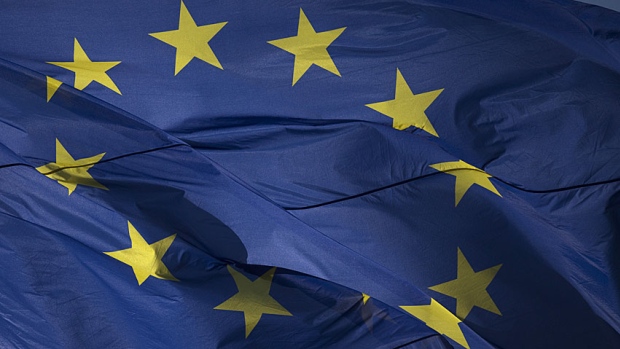
Brussels — The European Union on Friday agreed an 18th package of sanctions against Russia over its war in Ukraine, including measures aimed at dealing further blows to the Russian oil and energy industry.
The EU will set a moving price cap on Russian crude at 15% below its average market price, EU diplomats said, aiming to improve on a largely ineffective $60 cap that the Group of Seven major economies have tried to impose since December 2022.
“The EU just approved one of its strongest sanctions packages against Russia to date,” EU foreign policy chief Kaja Kallas said on X.
“We will keep raising the costs, so stopping the aggression becomes the only path forward for Moscow.”
Britain also announced it would join the price cap move, saying it would deal a blow to Moscow’s oil revenues used to finance the ongoing conflict with Ukraine.
“The UK and its EU allies are turning the screw on the Kremlin’s war chest by stemming the most valuable funding stream of its illegal war in Ukraine even further,” British finance minister Rachel Reeves said at a G20 meeting in South Africa.
G7 PRICE CAP INEFFECTIVE SO FAR
Yet Russia has so far managed to sell most of its oil – the lifeblood of its state finances – above the previous price cap as the current mechanism makes it unclear who must police its implementation. Traders doubt the new EU sanctions will significantly disrupt Russian oil exports.
Kremlin spokesman Dmitry Peskov shrugged off the EU move, which would, at current prices, aim to cap the price of Russian crude at roughly $47.60 per barrel. Benchmark Brent futures rose marginally on Friday to about $70.
“We have repeatedly said that we consider such unilateral restrictions illegal, we oppose them,” Peskov told reporters.
“But at the same time, of course, we have already acquired a certain immunity from sanctions, we have adapted to life under sanctions.”
The package also bans transactions related to Russia’s Nord Stream gas pipelines under the Baltic Sea, and with Russia’s financial sector.
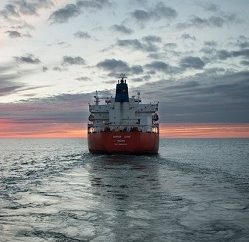
Kallas said 105 ships in Russia’s “shadow fleet”, the term used by Western officials for ships that Moscow uses to circumvent oil sanctions, had been blacklisted, along with Chinese banks that “enable sanctions evasion”, which she did not name.
Ukrainian President Volodymyr Zelenskiy called the decision “essential and timely” as Russia intensifies its air war on Ukrainian cities and villages.
Foreign Minister Andrii Sybiha added: “Depriving Russia of its oil revenues is critical for putting an end to its aggression.”
US DECLINES TO BACK EUROPE ON PRICE CAP
The European Union and Britain have been pushing to lower the G7 cap for the last two months after a fall in oil futures made the level of $60 a barrel largely irrelevant.
But the United States has resisted, leaving the EU to move forward on its own, but with only limited power to enforce the measure, analysts and oil traders say.
As the dollar dominates global oil transactions, and U.S. financial institutions play the central role in clearing payments, the EU cannot block trades by denying access to dollar clearing.
Agreement on the new EU package was held up for weeks as Slovakian Prime Minister Robert Fico demanded concessions on a separate plan to phase out EU dependence on Russian oil and gas.
Fico announced on Thursday night that he was ending his opposition.
Countries such as Greece, Cyprus and Malta had expressed concerns about the effect of the oil price cap on their shipping industries. But Malta, the last of the trio to hold out, also came on board on Thursday.
Reporting by Lili Bayer, Andrew Gray, Yuliia Dysa, Julia Payne, Kate Abnett and Michael Holden; Editing by Sudip Kar-Gupta, Ingrid Melander, Kevin Liffey and Louise Heavens – Reuters