Close Menu
    Facebook X (Twitter) Instagram
    Facebook X (Twitter) Instagram
    SweetCrudeReportsSweetCrudeReports
    Subscribe
    • Home
    • Oil
    • Gas
    • Power
    • Solid Minerals
    • Labour
    • Financing
    • Freight
    • Environment
    • Community Development
    • Renewable Energy
    • E-Editions
    SweetCrudeReportsSweetCrudeReports
    Home » Nigeria spends over $2.01bn on external debt servicing in 1Q 2025

    Nigeria spends over $2.01bn on external debt servicing in 1Q 2025

    August 19, 2025
    Share
    Facebook Twitter LinkedIn WhatsApp

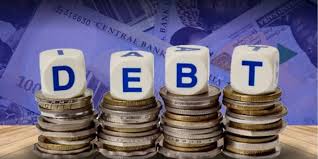
    Port Harcourt — Data from the Central Bank of Nigeria revealed that total international payments, including debt servicing, remittances, and related outflows reached $2.60 billion between January and April 2025.

    Of this amount, Nigeria’s debt service bill alone accounted for $2.01 billion, representing 77.1% of total payments and a 12.6 percentage point increase from the $1.08 billion recorded in the last quarter of 2024.

    On a month-on-month basis, debt servicing amounted to $540.67 million in January 2025, slightly below the $560.52 million recorded in January 2024. By February 2025, payments declined to $276.73 million but rose sharply again in March, reaching $632.36 million.

    The upward trend continued in April, with payments reaching $557.79 million, representinng a 159% increase from the $215.20 million recorded in April 2024.

    The rising debt servicing burden reflects Nigeria’s deepening foreign exchange challenges, especially in the face of declining foreign reserves.

    This trend has significant negative implications for the government’s ability to invest in critical infrastructure and social development, as debt obligations consume a growing share of fiscal resources.

    There is, therefore, an urgent need to strengthen debt management frameworks by enforcing strict borrowing limits, particularly for external loans. In addition, enhancing domestic revenue mobilisation through comprehensive tax administration reforms is essential to broaden the tax base and reduce the country’s over-reliance on debt.

    Related News

    Again, Obi questions Nigeria’s rising debt, demands borrowing transparency

    CBN launches NOFR to deepen markets, boost investor confidence

    Angola’s state oil firm secures $2.65bn financing from foreign lenders

    Comments are closed.

    E-book
    Resilience Exhibition

    Latest News

    OPEC projects $92bn refining investment for Africa by 2050

    June 22, 2026

    Gas leak, pipeline attacks force Rivers community residents to flee

    June 22, 2026

    NIMASA signs capacity development MoU with ITC-ILO

    June 22, 2026

    NLNG, NCDMB graduate 401 specialists for oil & gas industry

    June 22, 2026

    100+ businesses urge govts to make electrification central to economic strategy

    June 22, 2026
    Demo
    Facebook X (Twitter) Instagram
    • Opec Daily Basket
    • Oil
    • Power
    • Gas
    • Freight
    • Financing
    • Labour
    • Technology
    • Solid Mineral
    • Conferences/Seminars
    • Community Development
    • Nigerian Content Initiative
    • Niger-Delta Question
    • Insurance
    • Other News
    • Focus
    • Feedback
    • Hanging Out With Markson

    Subscribe for Updates

    Get the latest energy news from Sweetcrudereports.

    Please wait...
    Please enter all required fields Click to hide
    Correct invalid entries Click to hide
    © 2026 Sweetcrudereports.
    • About Us
    • Advertise with us
    • Privacy Policy

    Type above and press Enter to search. Press Esc to cancel.