Precious Anga
Lagos — Ten years after the Federal Government launched the landmark $1 billion Ogoni Clean-up Programme, stakeholders are being urged to sustain momentum and ensure the environmental restoration initiative delivers on its promise to communities devastated by decades of oil pollution.
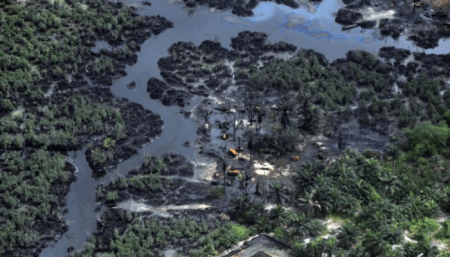
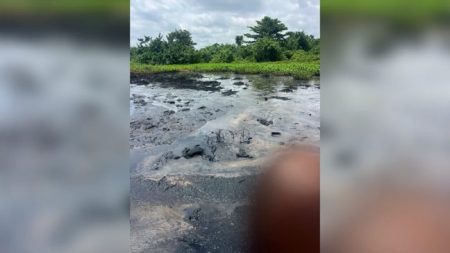
The clean-up programme, inaugurated on June 2, 2016, followed recommendations contained in the United Nations Environment Programme (UNEP) assessment of Ogoniland, which revealed extensive contamination of soil, groundwater and ecosystems caused by years of oil exploration activities.
The UNEP report painted a grim picture of widespread pollution, unsafe drinking water, destroyed mangrove forests and severe ecological damage that threatened the livelihoods and health of communities across Ogoniland.
At the programme’s launch, then UNEP Executive Director, Achim Steiner, described the initiative as a historic step towards environmental justice for a people who had borne the environmental cost of Nigeria’s oil wealth for decades.
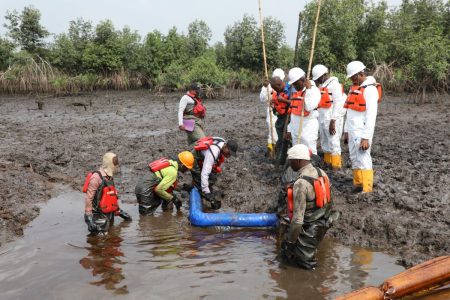
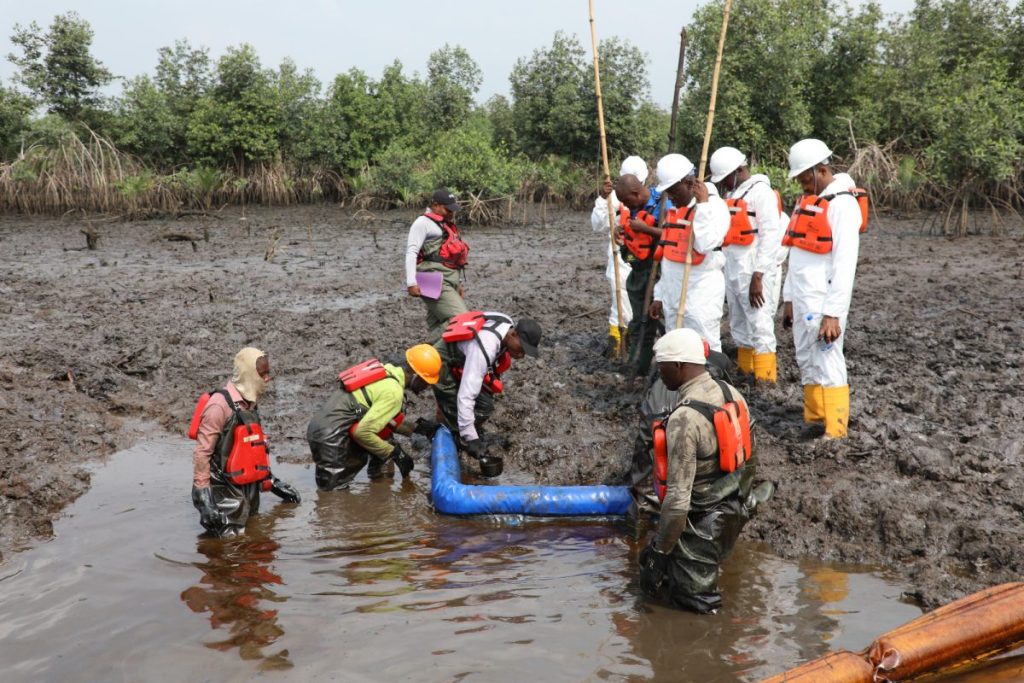
A decade later, the Hydrocarbon Pollution Remediation Project (HYPREP), which oversees implementation of the clean-up, reports notable progress across several key areas. According to available data, shoreline remediation had reached 72.7 per cent completion as of December 2025, while mangrove restoration stood at 99 per cent. Soil and groundwater remediation was reported at 39 per cent completion.
The project has also delivered potable water facilities to dozens of communities, supported public health interventions, upgraded educational infrastructure and provided skills acquisition programmes covering areas such as cybersecurity, mechatronics and vocational development.
Scholarship programmes for Ogoni students and livelihood restoration initiatives have further expanded the programme’s impact beyond environmental remediation, helping to address long-standing socio-economic challenges within the region.
While these achievements represent significant progress, concerns remain over delays affecting some aspects of implementation. Reports of procurement bottlenecks, project execution challenges and disagreements among community stakeholders have raised questions about whether the programme can sustain its pace and meet all of its long-term objectives.
Such concerns underscore the need for stronger collaboration among HYPREP, host communities, the Rivers State Government, oil companies and federal authorities to prevent avoidable setbacks that could undermine years of progress.
The importance of the Ogoni Clean-up extends far beyond Rivers State. The initiative is widely regarded as a potential model for environmental remediation across Nigeria’s oil-producing regions, many of which continue to grapple with pollution, degraded ecosystems and social tensions linked to decades of hydrocarbon exploration.
A successful implementation would demonstrate that environmental restoration on a large scale is achievable and could serve as a blueprint for similar interventions across the Niger Delta. Failure, however, risks deepening public distrust and reopening old grievances in communities that have long demanded environmental justice.
As the programme enters its second decade, stakeholders must remain focused on completing outstanding projects, accelerating remediation efforts and ensuring that the sacrifices made by the people of Ogoniland ultimately translate into a cleaner environment, healthier communities and sustainable economic opportunities.
The Ogoni Clean-up was conceived as a symbol of environmental accountability and national commitment to restoring damaged ecosystems. Ten years on, abandoning or slowing the initiative is not an option.