Mkpoikana Udoma
Port Harcourt — Long-term opportunities in deepwater oil and gas will provide a more stable path into 2026, according to the Society of Energy Editors, SEE.
The Society, in its Nigeria Energy Sector Outlook: Q4 2025, identified new upstream projects and gas infrastructure as “bright spots” in an otherwise turbulent quarter.
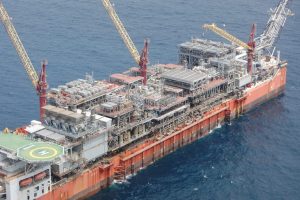
“The Bonga North deepwater project remains on track for year-end completion,” the Society of Energy Editors reported, calling it “a key signal to investors that Nigeria still offers scale and reliability in offshore production.”
The integration of ExxonMobil’s onshore and shallow-water assets into Seplat’s portfolio is also boosting near-term production. “Seplat’s acquisition has stabilized output and is beginning to attract additional capital inflows,” the Society stated.
It identified gas developments as another critical pillar, as it flagged the ANOH Gas Plant, currently operating at 60% capacity, as a “growth anchor” for Nigeria’s struggling power sector.
“ANOH’s full ramp-up will significantly ease pressure on electricity supply, especially as demand from diesel users continues to rise,” the editors explained.
Ogoniland, long seen as a flashpoint of conflict, is also being reframed as a gas opportunity. “Ogoni’s gas potential is enormous,” the report observed, noting that community reconciliation efforts could pave the way for new midstream investments.
Despite delays, the long-awaited OB3 pipeline remains central to Nigeria’s gas ambitions.
“The OB3 pipeline delay to Q1 2026 is still a critical bottleneck,” the editors warned. “But once completed, it will unlock stranded gas molecules and link supply to major demand centres.”
The Society stressed that these projects cannot offset the immediate dangers of fuel shortages or currency instability, but they represent a foundation for recovery.
“While the Dangote crisis dominates headlines, Nigeria’s long-term outlook is far from bleak,” the report concluded.
“Deepwater, gas, and community-driven projects will define the next decade,” the editors said. “If the government can stabilize short-term shocks, these opportunities could anchor Nigeria’s energy transition and fiscal stability.”