Precious Anga
Lagos — The Federal Government has released more than 300 containers of critical power equipment previously held at Nigerian ports, as part of a fresh push to strengthen the transmission network and improve electricity supply nationwide.
Minister of Power, Joseph Tegbe, disclosed this on Tuesday in Abuja, saying the equipment would now be inspected, deployed and installed to support ongoing transmission projects. The intervention is aimed at addressing the situation where power projects remain incomplete while equipment required for their execution is stranded in storage.
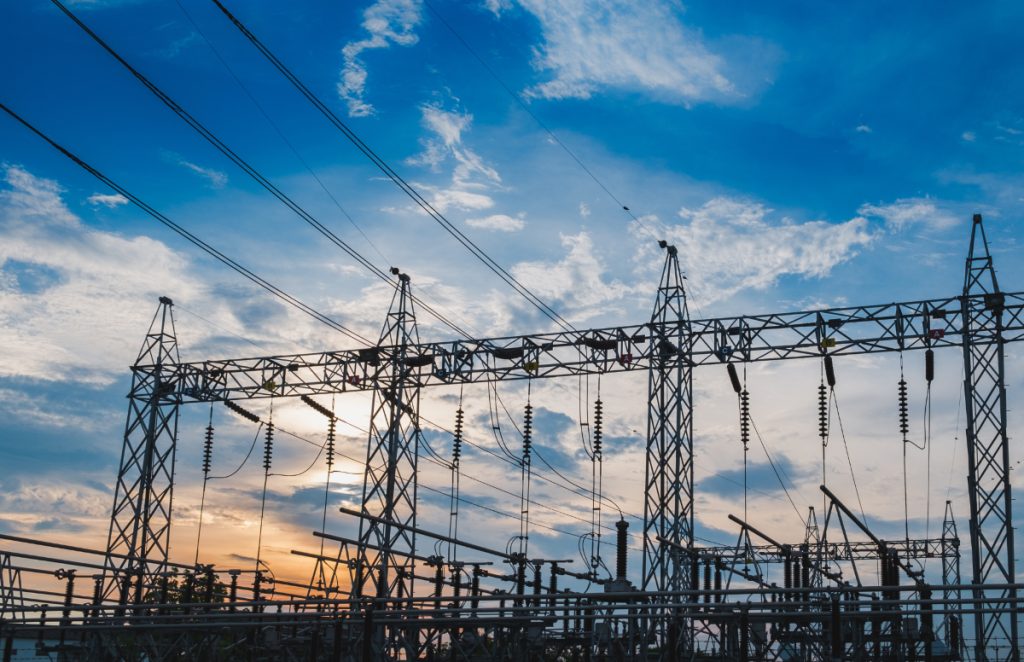
Tegbe said the next phase of the government’s grid intervention would focus on stabilising the Lagos, Enugu-Port Harcourt and Abuja-Kaduna-Kano transmission corridors, while technical audits would be conducted on selected corridors to identify network weaknesses and guide further investment.
He said the government would also continue developing the proposed Transmission Super Grid to improve the utilisation of available generation and distribution assets while preparing the network for rising electricity demand.
The minister’s announcement comes as the power sector records improved generation and transmission levels, with both exceeding 5,000MW in recent weeks. Generation reached a peak of 5,330MW in August and September, compared with the 3,700MW to 4,700MW range recorded before June.
Tegbe said the government had also restored the 375MW Alaoji open-cycle power plant to the national grid after three years offline, while transformer upgrades at Apapa, Ijora, Alausa and Lekki in Lagos have unlocked 672MW of transmission capacity.
In Abuja, a newly energised 300MVA transformer at Katampe has unlocked an additional 240MW of transmission capacity, adding to the network’s ability to move electricity from available generation to areas of demand.
The minister said the government had raised ₦1.23 trillion towards settling the power sector’s estimated ₦3.3 trillion debt backlog, while the resolution of some litigation had cleared the way for the procurement of about 1.4 million smart meters. About 90,000 meters have also been installed in military formations.
The Federal Government’s latest intervention places greater emphasis on recovering and deploying existing assets, as the power sector seeks to convert recent gains in generation into more stable electricity delivery through a stronger transmission network.