Precious Anga
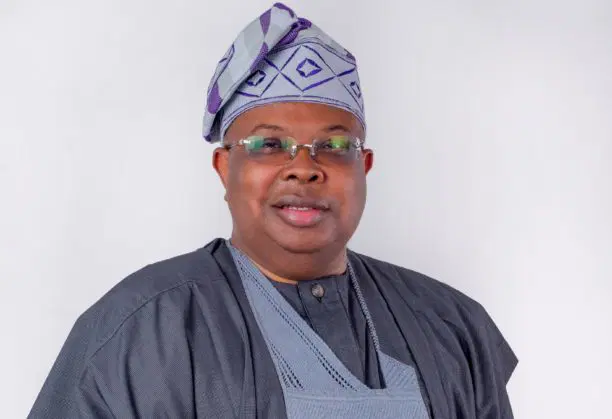
Lagos — Nigeria’s Minister of Power, Joseph Tegbe, has acknowledged that improvements in generation and transmission have yet to translate into reliable electricity supply for many Nigerians.
Tegbe, who assumed office three months ago, said the Federal Government had spent the period diagnosing and addressing longstanding problems across the electricity value chain, but admitted that consumers were yet to feel the full impact.
“We spent much of this period on diagnosis and repair; restoring the 375MW Alaoji plant after three years offline, unlocking transmission capacity in Lagos, Abuja and other places, mobilising funds toward a debt burden that has quietly undermined this sector for years,” he said.
The minister said the government had also deployed more than 350,000 electricity meters after resolving a legal dispute that had delayed the metering programme.
Tegbe, however, acknowledged the gap between infrastructure interventions and actual electricity supply to consumers.
“Admittedly, many Nigerians are still without reliable power, and I understand the frustration of hearing about progress you haven’t personally felt yet. I’m not going to pretend that away,” he said.
His admission comes after the sector recorded a generation peak of 5,330MW in August and September, while generation and transmission exceeded 5,000MW in recent weeks, up from the 3,700MW-4,700MW range recorded before June. The Alaoji plant, which had been offline for three years, has also been restored.
Tegbe said the Federal Government had no plan to increase electricity tariffs, maintaining that its priority was to strengthen the physical and financial foundations of the sector.
“To be clear: there’s no plan to raise tariffs, and this is no political statement,” he said.
The minister said the next phase of the reforms would focus on improving grid stability, supply reliability and billing accuracy, while speeding up the resolution of consumer complaints.
“We’re not there yet, but we’re moving,” he said.