Precious Anga
Lagos — The United States is on course for a major expansion in geothermal energy that could provide enough carbon-free electricity to power at least 65 million homes by 2050, as advances in drilling technology transform what was once considered a niche renewable energy source into a viable large-scale power solution.
According to projections by the U.S. Department of Energy (DOE), enhanced geothermal systems could generate about 90 gigawatts of clean electricity by 2050. The technology, which captures heat from deep beneath the Earth’s surface, is increasingly being viewed as a dependable complement to solar and wind because it can produce electricity around the clock regardless of weather conditions.
The breakthrough is being driven largely by drilling techniques originally developed for the oil and gas industry. Technologies refined through hydraulic fracturing and advanced reservoir management have significantly reduced the technical barriers that previously limited geothermal development to volcanic and geologically active regions.
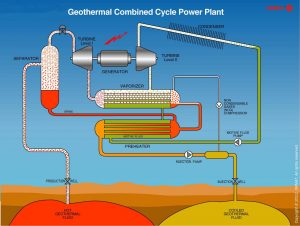
Unlike conventional geothermal systems that rely on naturally occurring underground heat reservoirs, enhanced geothermal systems make it possible to tap the Earth’s heat almost anywhere by drilling deeper and creating engineered underground reservoirs capable of producing steady electricity.
Energy experts believe this innovation could reshape future electricity markets as global demand for reliable power continues to surge, fuelled by rapid growth in artificial intelligence, large-scale data centres, electric vehicles and advanced manufacturing.
Mike Matson, Chief Executive Officer and co-founder of Birch Geothermal, said his company is adapting expertise gained from the oil and gas industry to improve geothermal production. Using sensors, autonomous systems and advanced reservoir management techniques, the company aims to maintain consistent heat flow while improving electricity generation efficiency.
Industry observers note that the United States holds a competitive advantage because of its decades of experience in drilling technology and a highly skilled oil and gas workforce capable of supporting large-scale geothermal deployment.
“The U.S. has one of its greatest strengths in drilling deep underground more efficiently than almost anywhere else in the world,” industry experts say, noting that this capability positions the country to become a global leader in enhanced geothermal development.
Momentum behind the sector has also been strengthened by bipartisan political support. Enhanced geothermal research and development has become one of the priorities of the current U.S. energy strategy, attracting investments from both the federal government and private technology firms seeking reliable clean energy sources.
Although geothermal energy still represents only a small share of the global electricity mix, analysts believe the sector is approaching a turning point as improved drilling methods reduce development costs and make projects commercially viable across a much wider range of geological conditions.
If deployment continues at the projected pace, enhanced geothermal energy could become a key pillar of future low-carbon electricity systems, providing stable baseload power while complementing intermittent renewable sources such as solar and wind. For countries pursuing energy security alongside decarbonisation, the technology is increasingly being regarded as one of the most promising long-term solutions for sustainable electricity generation.