– As SERAP drags Adelabu, NBET to court
Mkpoikana Udoma
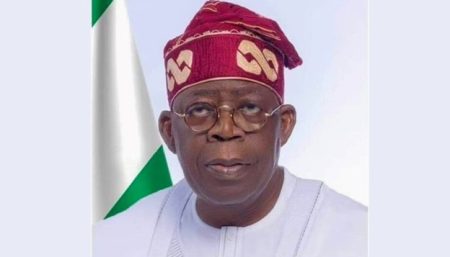
Port Harcourt — Nigeria’s worsening electricity crisis has taken a legal turn as the Socio-Economic Rights and Accountability Project, SERAP, dragged the Minister of Power, Adebayo Adelabu, and the Nigerian Bulk Electricity Trading Plc, NBET, before the Federal High Court over an alleged N128 billion in missing or diverted public funds, raising fresh accountability questions amid repeated grid failures.
SERAP said the lawsuit followed damning revelations in the latest annual report of the Auditor-General of the Federation, published on September 9, 2025, which detailed extensive financial irregularities in the Ministry of Power and NBET.
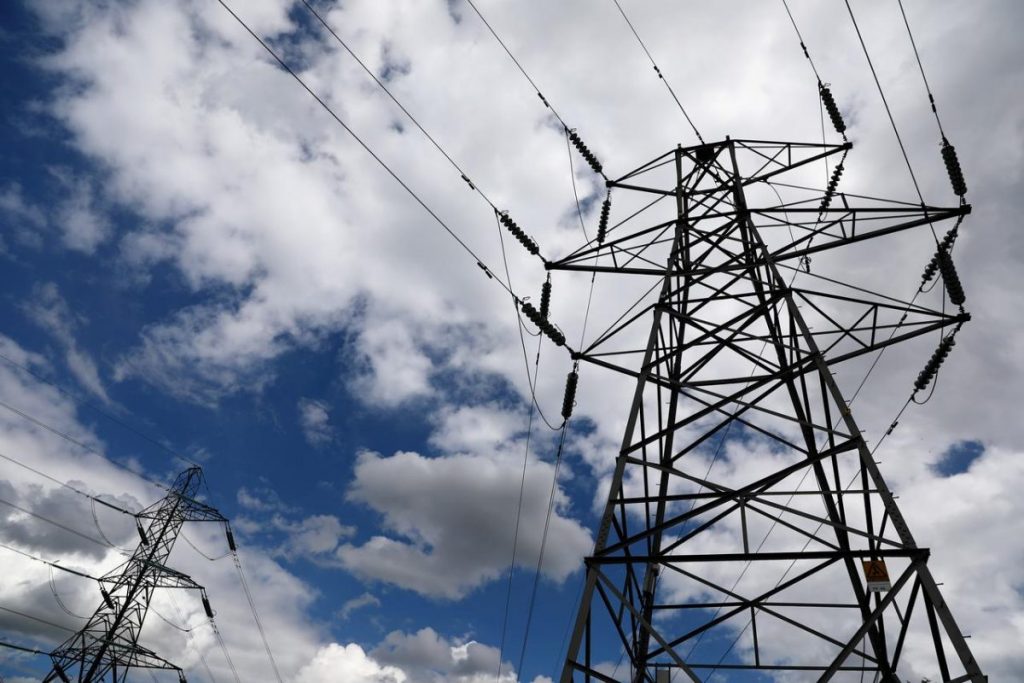
The civil society group linked the alleged corruption directly to Nigeria’s fragile electricity infrastructure, noting that the country suffered its first national grid collapse of 2026 just last week, plunging millions into darkness.
In the suit marked FHC/ABJ/CS/143/2026, filed last Friday in Abuja, SERAP is seeking orders of mandamus compelling Adelabu and NBET to account for the N128 billion, disclose how the funds were spent, and identify all officials and beneficiaries involved in approving or receiving the payments.
“Nigerians continue to pay the price for widespread and grand corruption in the power sector,” SERAP argued in court filings. “There is a legitimate public interest in ensuring justice and accountability for these grave allegations.”
The organisation maintained that compelling disclosure would help address persistent transmission breakdowns and improve access to regular and uninterrupted electricity supply, while also “striking a blow against the impunity of those responsible for the missing or diverted public money.”
Auditor-General’s Alarming Findings
According to SERAP, the Auditor-General’s report showed that the Federal Ministry of Power failed to account for over N4.4 billion transferred to the Mambilla, Zungeru and Kashimbilla hydropower project accounts, with “no evidence of how the funds were expended.”
The Auditor-General warned that the money “may have been diverted” and called for its recovery.
The report also cited N95.4 billion paid to contractors for various projects without documentation or proof that the projects existed or were executed, as well as N33.5 million spent on foreign travels to Abu Dhabi and Dubai without approvals from the Secretary to the Government of the Federation or the Head of Civil Service.
Other questionable expenditures included N230.8 million on the GIGMIS platform, N282.6 million in non-personal advances beyond statutory limits, and multiple payments lacking approvals, records or budgetary backing.
NBET Under Spotlight
NBET was accused of irregularly awarding contracts worth over N427 million, transferring N7.6 billion into purported sub-accounts of unnamed beneficiaries, and making N9.3 billion payments to Egbin Power Plc without documents to authenticate the transactions.
The Auditor-General also queried N8 billion paid to unnamed beneficiaries, N420 million paid to ineligible consultants, N1.1 billion in extra-budgetary spending, and N110.5 million spent on staff shopping packages without supporting documents.
In several instances, the report warned that funds “may have been diverted, misapplied or spent on work not done,” recommending recovery and remittance to the treasury.
Constitutional, Global Obligations
SERAP argued that the allegations amount to a violation of Sections 13 and 15(5) of the 1999 Constitution, which mandate public institutions to abolish corruption and abuse of power. It also cited Article 26 of the UN Convention against Corruption, which Nigeria has ratified, requiring effective and dissuasive sanctions for grand corruption.
“Ordinary Nigerians continue to pay the price for corruption in the electricity sector, staying in darkness, but still made to pay crazy electricity bills,” SERAP said.
The suit was filed by SERAP’s lawyers Kolawole Oluwadare, Kehinde Oyewumi and Andrew Nwankwo.
No date has yet been fixed for hearing, but the case is expected to intensify scrutiny of power sector finances at a time when public frustration over electricity supply is at boiling point.