Precious Anga
Lagos — Environmental rights advocates have renewed calls for an immediate State of Environmental Emergency in the Niger Delta, warning that decades of oil and gas exploitation have pushed the region to the brink of an ecological and public health catastrophe.
Speaking during the Correspondents’ Week of the Nigerian Union of Journalists (NUJ) in Rivers State, environmentalist and Director of the Health of Mother Earth Foundation (HOMEF), Nnimmo Bassey, described the Niger Delta as one of the world’s most environmentally devastated regions, blaming nearly 70 years of oil extraction, weak regulation and inadequate remediation efforts for the crisis.
Bassey said oil-producing communities have become “sacrifice zones”, where environmental protection is routinely subordinated to commercial interests.
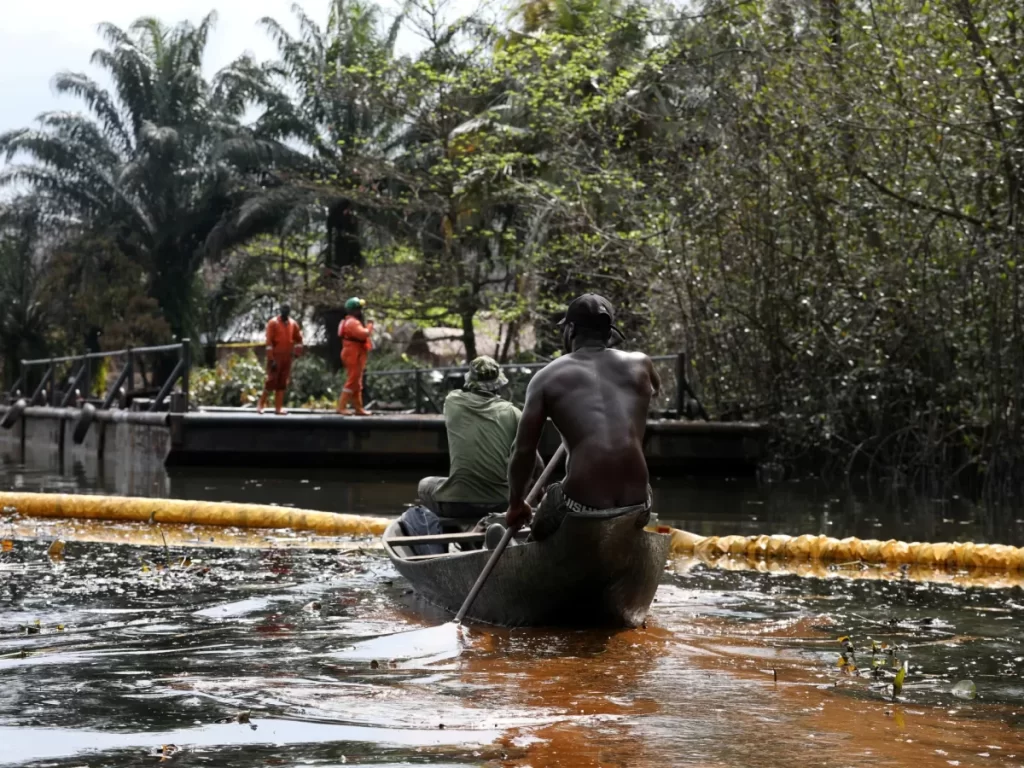
He cited multiple studies that revealed widespread soil and water contamination, biodiversity loss and deteriorating living conditions across the region, warning that abandoned oil infrastructure now poses severe risks to communities.
According to him, obsolete pipelines, wellheads, flow stations and manifolds have become “environmental time bombs” that continue to pollute farmlands, water sources and the atmosphere.
He referenced major incidents, including the 2021 blowout at Aiteo’s Santa Barbara Well-1 in Bayelsa State, which burned for 39 days, and the Ororo-1 oil well fire off Ondo State, which he said has remained active for more than six years. He also pointed to ongoing concerns in Bille, Rivers State, where gas seepage has contaminated water bodies and heightened fears of a potential fire disaster.
“These incidents are taking place in broad daylight and demonstrate the dangers associated with poorly maintained and abandoned oil infrastructure,” Bassey said.
Beyond environmental degradation, he warned that pollution has worsened poverty, undermined food security and threatened public health, with life expectancy in some communities reportedly falling to as low as 41 years.
He accused some oil companies of attempting to shift blame for pollution to community sabotage, even where evidence suggests equipment failures were responsible.
Bassey urged journalists to intensify investigative reporting on environmental issues, insisting that public scrutiny remains one of the strongest tools for holding polluters accountable.
“The thing polluters dread most is having their harmful activities exposed,” he said.
He called for an urgent environmental and health audit of the entire Niger Delta, comprehensive clean-up of polluted sites, decommissioning of abandoned facilities, an end to gas flaring and stronger accountability for decades of environmental damage.
According to him, temporary interventions and relief materials will not solve the crisis unless authorities prioritise ecological restoration and sustainable development.
“The time to act is now,” Bassey declared, warning that continued delays could deepen the environmental and humanitarian emergency confronting millions of people in the Niger Delta.