Mkpoikana Udoma
Port Harcourt — Host communities in Nigeria’s oil and gas-producing areas should have a formal voice in the negotiation of bilateral investment treaties, BITs, to ensure foreign investments do not undermine environmental protection, livelihoods and community interests, stakeholders at a Policy Alert dialogue in Port Harcourt have said.
The stakeholders argued that investment agreements governing foreign capital in Nigeria should incorporate environmental and social safeguards and align with domestic laws before projects are introduced into host communities.
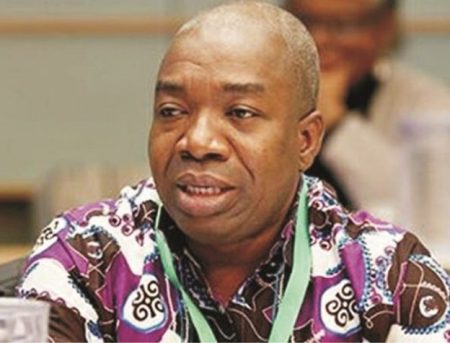
Speaking during the multi-stakeholder dialogue on Investor-State Dispute Settlement, ISDS, energy transition risks and responsible divestment in the Niger Delta, Engineer Chris Nku of Stakeholders Democratic Network, SDN, said communities were frequently left outside investment negotiations despite bearing the consequences of projects executed in their territories.
“We looked at how bilateral investment treaties affect domestic laws and investment in the country,” Nku said.
“What we are trying to say is that when there are investment opportunities in the country, the bilateral agreement treaties should tally with domestic laws so as not to cause conflicts and problems that will affect the country and its citizens as a whole.”
He said environmental provisions should be incorporated into investment treaties, particularly those covering extractive-sector projects.
“When bilateral agreements are signed, treaties are signed, we find out that the community are not carried along, the environmental components are not signed in the bilateral treaties. So we say why not?” he asked.
Nku said the social and economic consequences of new investments should also be addressed in the agreements, particularly employment and income opportunities for people living in project areas.
“When new treaties are involved, new investments are coming in, what happens to the dwellers of that environment? The need to work. They need income. So our treaties should be able to capture that,” he said.
Investment rules and Nigerian laws
The stakeholders also called for stronger alignment between international investment agreements and Nigeria’s domestic legal framework to prevent treaty obligations from creating conflicts with national standards.
Nku said this was particularly important in extractive industries, including oil and gas and mining, where investment projects can have direct environmental and livelihood implications for communities.
“So when we are signing treaties in all forms of extractives, either the mining or the oil and gas, then we should make sure that it is in tandem with our own laws,” he said.
He warned that agreements containing provisions inconsistent with Nigerian laws or national standards could create problems for the country and its citizens.
Transparency in investment negotiations
Lead, Energy, Extractives and Climate Justice Programme at Policy Alert, Edidiong Dickson, said broader participation was necessary to improve transparency in the negotiation of investment agreements.
He said citizens should be able to understand what government was negotiating, the terms of agreements and their potential implications for communities and public policy.
“You cannot go into a room with only a handful of people to negotiate on something that has dire consequences on the generality of the population and yet, the people don’t know about it,” Dickson said.
He said the process must involve wider stakeholder participation, including representatives of the people through the National Assembly.
“The process must be more transparent. Every stakeholder must be carried along, which is literally every Nigerian and the best way to do that is to engage the representatives of the people,” he said.
The dialogue, organised by Policy Alert, brought together federal and state government representatives, regulators, private-sector interests, civil society organisations, the media and oil-producing communities.
It formed part of Policy Alert’s From Exit to Accountability: ISDS, Energy Transition Risks, and Responsible Divestment in the Niger Delta intervention, which examines investment governance, environmental accountability and the implications of oil and gas divestments and emerging investments in offshore and gas infrastructure.
The stakeholders said stronger community participation, environmental safeguards and alignment with domestic laws would be important as Nigeria seeks to attract investment while managing the environmental and social consequences of energy-sector developments.