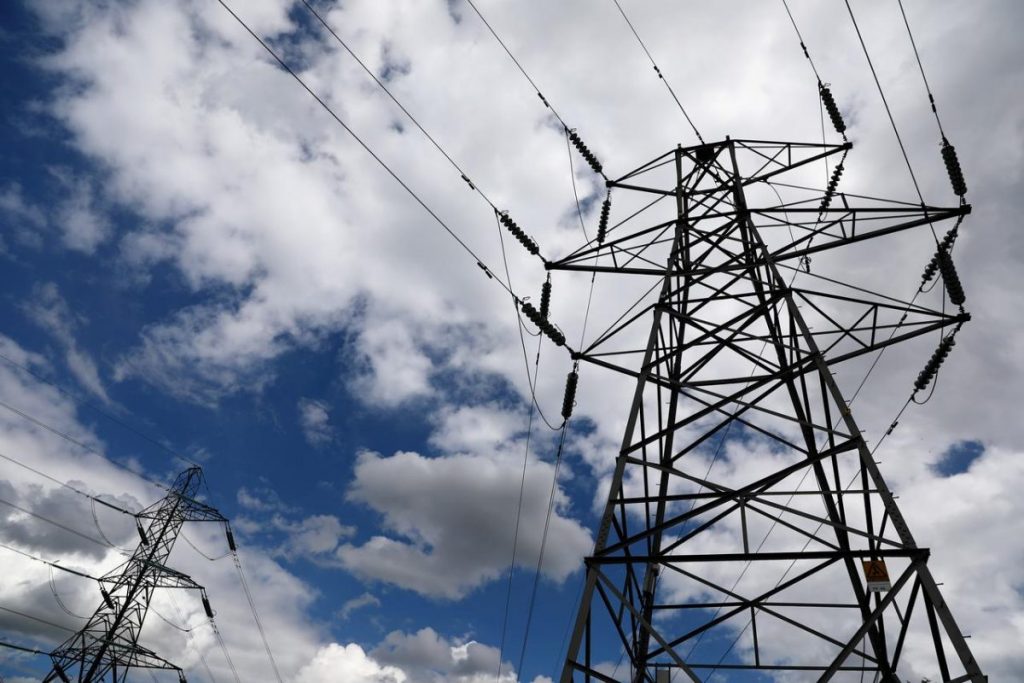
– As stakeholders want TCN to disconnect foreign off-takers, prioritize local supply
Mkpoikana Udoma
Port Harcourt — Nigeria’s electricity export customers in the West African subregion failed to remit $11.4 million for power supplied in Q1 2025, raising fresh concerns over the country’s exposure to non-paying international markets.
According to the Q1 2025 report by the Nigerian Electricity Regulatory Commission, NERC, power was exported to three international customers, Société Nigerienne d’Electricité (NIGELEC of Niger), Communaute Electrique du Benin (CEB), and Paras Energy, with limited financial returns.
Out of the $13.05 million invoice issued to these customers for cross-border electricity sales, only $1.66 million was remitted during the period, resulting in a paltry 12.74% remittance rate. This marks a decline from Q4 2024 when international remittance stood at 25%.
NERC says it has commenced discussions with the Transmission Company of Nigeria, TCN, and the Market Operator to reconsider the modalities of international electricity trade. “We will tighten contractual terms and reconsider power allocation if payment obligations are not met,” the Commission stated.
While these exports are part of Nigeria’s obligations under the West African Power Pool, WAPP, the growing backlog of unpaid bills has sparked criticism from local stakeholders who argue that Nigeria cannot afford to subsidize foreign markets while local consumers suffer erratic supply.
Dr. Fyneface Dumnamene Fyneface, an energy policy expert and Executive Director of YEAC-Nigeria, urged TCN to disconnect any international off-taker who was not punctual in payment.
“We need to prioritize domestic stabilization before subsidizing others. At a time when our grid is unstable and DisCos struggle to pay GenCos, this level of international default is unacceptable.
“After all, in Nigeria, DisCos disconnect electricity customers from the pole over one debt, why should our neighbouring counties owe a whopping $11.4million in six months and Nigeria is still supplying them power?” Fyneface queried.
Exported power is delivered primarily through bilateral contracts and legacy intergovernmental agreements. However, lack of enforcement, currency instability, and diplomatic pressure have made recovery difficult.
According to Fyneface, the continued default by foreign off-takers also worsens liquidity challenges in the Nigerian Electricity Supply Industry, NESI, as it deprives GenCos and gas suppliers of revenue needed to operate sustainably.
He called for prepayment arrangements or escrow-backed guarantees before future supply. “You can’t keep supplying power on credit while the country struggles to pay its own energy producers.”
Until payment performance improves, YEAC-Nigeria urged the government to balance foreign obligations with the need to stabilize local supply and strengthen financial discipline across the sector.