Precious Anga
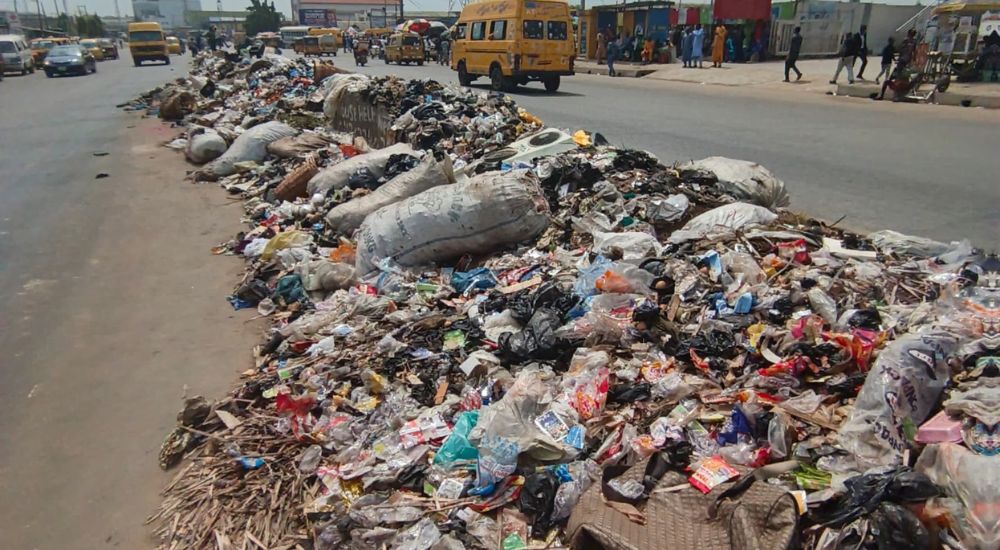
Lagos — Lagos residents have raised fresh alarm over the worsening waste crisis across the state, warning that the growing piles of refuse on major roads, markets and residential areas could trigger a major public health emergency if urgent action is not taken.
From Mushin and Oshodi to Ajah, Agege, Okota, Lekki and Iyana Ipaja, uncollected waste has become a familiar sight, with residents lamenting persistent foul odours, blocked drainage systems and delayed evacuation by waste contractors.
Many residents accused Private Sector Participants (PSPs) of failing to provide regular services despite collecting monthly fees. They also blamed the situation on operational bottlenecks at disposal sites, which have worsened with the onset of the rainy season.
The Lagos Waste Management Authority (LAWMA) acknowledged the mounting pressure on the state’s waste infrastructure, disclosing that it evacuated 418,500 tonnes of waste in May 2026, an average of 13,200 tonnes daily.
LAWMA Managing Director, Dr Muyiwa Gbadegesin, said 442 licensed PSP operators are currently active across Lagos, while 27 collection routes are being reviewed to improve efficiency.
“Lagos operates one of the largest urban waste management systems in Africa, requiring continuous investment, infrastructure upgrades, enforcement and stakeholder collaboration to meet the demands of its rapidly growing population,” he said.
Environmental experts, however, insist that operational improvements alone will not solve the problem. They argue that Lagos must move away from its traditional “collect-and-dump” approach and embrace an integrated waste management model that prioritises recycling, waste segregation and waste-to-energy investments.
Group Managing Director of Brightest Hope Group, Dr Omowunmi Olatunji, said rapid urbanisation has outpaced existing infrastructure, making stronger regulation and public participation essential.
“Lagos’ waste challenge is not merely a sanitation issue; it is an environmental, public health, climate resilience and economic development issue,” she said.