Precious Anga
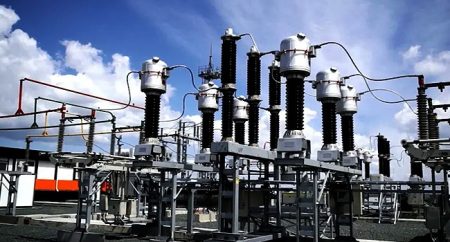
Lagos — The Transmission Company of Nigeria, TCN, and the African Development Bank, AfDB, have intensified efforts to modernise Nigeria’s power infrastructure through the planned deployment of Battery Energy Storage Systems, BESS, designed to improve grid stability, enhance power reliability and support the integration of renewable energy into the national electricity network.
The move gained momentum with the commencement of a two-day stakeholder validation workshop in Abuja to review findings from the Technical Feasibility, Policy and Regulatory Diagnostics Study for the deployment of grid-connected battery storage systems across the country.
The initiative forms part of broader efforts to address longstanding challenges within Nigeria’s power sector, including grid disturbances, frequency fluctuations and constraints associated with integrating renewable energy into the transmission network.
Speaking at the workshop, Managing Director and Chief Executive Officer of TCN, Sule Ahmed Abdulaziz, described the project as a significant step towards building a more resilient and efficient electricity system capable of meeting the country’s growing energy needs.
Represented by the General Manager, Engineering, Mojeed Akintola, Abdulaziz said the validation exercise would ensure that the proposed framework aligns with operational realities within the Nigerian Electricity Supply Industry and supports sustainable implementation.
He noted that battery energy storage technology has emerged globally as a critical solution for strengthening electricity networks, improving system flexibility and enhancing the management of variable power generation sources such as solar and wind energy.
According to him, the project is expected to provide additional support for grid operations by helping to balance electricity supply and demand, minimise system disruptions and improve overall network performance.
The workshop brought together regulators, system operators, technical experts and policymakers from across the electricity value chain, including representatives of the Nigerian Electricity Regulatory Commission, NERC, Nigerian Independent System Operator, NISO, Nigerian Electricity Management Services Agency, NEMSA, Rural Electrification Agency, REA, and the Bureau of Public Enterprises, BPE.
Participants reviewed technical, policy and regulatory recommendations contained in the study, with working groups examining key areas aimed at strengthening the framework before its final adoption.
Lead Consultant for the project, Prof. Tajudeen Humble Sikiru, urged stakeholders to undertake a detailed assessment of the report, stressing that the recommendations would help shape future investments in electricity storage infrastructure and support ongoing reforms in the power sector.
Industry experts view battery storage as an increasingly important component of modern electricity systems because of its ability to store excess electricity and release it when demand rises or generation falls. The technology also supports grid stability by providing rapid response capabilities during system disturbances.
For Nigeria, where efforts are underway to expand generation capacity, improve transmission efficiency and increase renewable energy deployment, battery storage could provide an important tool for enhancing network reliability and reducing operational challenges across the grid.
The collaboration between TCN and AfDB also aligns with wider initiatives aimed at strengthening energy infrastructure, improving electricity access and supporting the transition to a more sustainable and diversified power sector.
Stakeholders are expected to conclude deliberations with a set of recommendations that will guide the next phase of the project and provide a roadmap for integrating battery energy storage technology into Nigeria’s evolving electricity system.
The initiative underscores growing recognition within the sector that investments in modern grid technologies will be critical to improving power reliability, supporting economic growth and meeting the country’s long-term energy development objectives.