Lagos — West Africa’s mining sector is becoming more complex as governments, regulators, mining companies, and investors place greater emphasis on responsible mining, local participation, environmental performance, resilient infrastructure, and long-term asset performance.
Ghana remains an important mining hub, with a long history in gold mining and strong technical and operational skills. But WSP’s outlook extends across a region shaped by mature gold assets, iron ore activity, infrastructure requirements, energy challenges, closure obligations, and demand for technical assurance.
This is creating demand for multidisciplinary services that combine regional mining knowledge with global expertise across environmental management, tailings, closure, mine water, infrastructure, energy, and operational performance.
“Mining in West Africa is becoming more sophisticated, regulated, and closely tied to local economic development,” says Ernest Krakani, Director: West Africa Lead for WSP in Africa. “Governments and regulators are asking relevant questions about local content, environmental management, closure planning, and regional benefit. Mining companies need teams that understand local expectations and global standards.”
Across West Africa, mining is also being shaped by commodity dynamics. Gold remains central, while iron ore and other minerals continue to influence infrastructure and investment decisions. Higher gold prices are encouraging operators to reassess reserves and consider re-mining historic tailings where technically and economically justified.
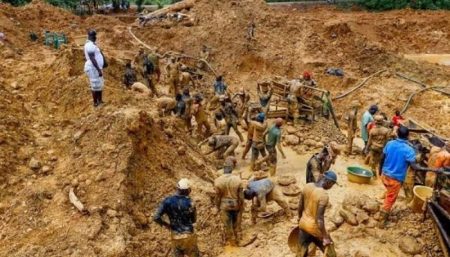
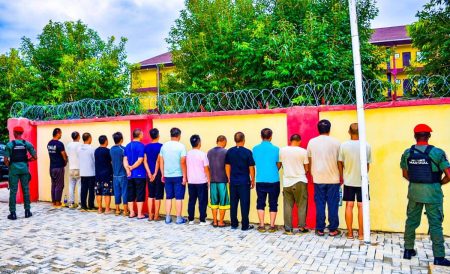
The region also faces constraints, including illegal mining, security risks, political instability, rising operating costs, and global supply chain disruptions. Krakani says these realities reinforce the importance of technical rigour, local understanding, and strong governance.
“West Africa has significant mining potential, but projects must be approached with a clear understanding of the operating environment. The opportunity is not simply to develop more mines. It is to develop and manage mining assets in ways that are safer, more responsible, more efficient, and better aligned with local expectations,” Krakani adds.
These pressures are already evident in how mining assets are planned, assessed, and managed. Local content expectations, ESG requirements, mine closure and rehabilitation, future land use, mine water, mine waste, tailings storage facilities, water storage infrastructure, and monitoring systems are becoming increasingly central to asset management.
“These are not isolated technical issues. Mine water, tailings, waste facilities, and infrastructure decisions can all affect environmental risk, community confidence, closure planning, operating cost, safety, and long-term resilience. The value of a multidisciplinary firm is helping clients understand these connections before they escalate into technical, operational, or compliance risks,” says Krakani.
WSP’s mining capability in West Africa builds on Golder Associates’ regional mining track record and WSP’s broader capabilities in engineering, infrastructure, water, energy, digital systems, environmental services, and advisory. WSP can also draw on one of the world’s largest mining consulting capabilities, and its African Mining business has a dedicated and thriving team of 250+ multidisciplinary professionals providing mining houses with access to a full spectrum of world-class engineering, environmental sustainability advisory, and implementation services.
“The value for clients is that scale does not come at the expense of local understanding. Our teams understand the operating realities of West African mining, and we can draw on specialist expertise from across WSP when clients need it,” he says.
WSP in Africa believes this next phase of mining growth will require support across the full project lifecycle, from studies, due diligence, and environmental and social compliance to mine water and waste management, tailings governance, infrastructure planning, closure, and performance improvement.
“As the sector evolves, clients need more than single-discipline support. They need integrated advice and technical services that help them respond to regulation, manage risk, improve performance, and protect long-term asset value. That is where WSP can play a stronger role in West Africa,” says Krakani.