Cape Town, South Africa — Nigeria is undertaking sweeping reforms across its oil and gas industry, driven by a landmark Executive Order signed by President Bola Ahmed Tinubu aimed at catalyzing investment and eliminating regulatory inefficiencies.
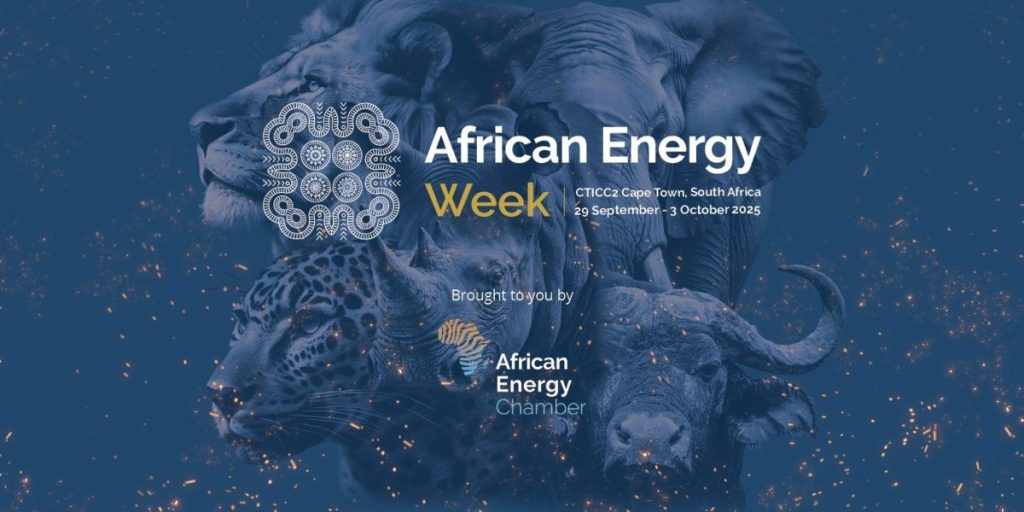
At the “Invest in Nigeria” Roundtable during African Energy Week (AEW) 2025: Invest in African Energies – sponsored by NCDMB and taking place in Cape Town on September 29-October 3 – senior policymakers and industry leaders will unpack the scope of these reforms, explore how they are reshaping the investment landscape, and present new opportunities across upstream, midstream and downstream value chains.
Set to speak are Olu Verheijen, Special Advisor to the President of Nigeria on Energy; Arthur Ename, Vice President of Business Development, Africa, at NOV; Nosa Omorodion, Country Director at SLB Nigeria; Alex Irune, Executive Director of Oando and Managing Director of Oando Energy Resources; a senior representative from ExxonMobil; and Philip Mshelbila, Managing Director and CEO of Nigeria LNG (NLNG).
The roundtable will offer high-level insight into the regulatory reset now underway and what it means for investors looking to expand or enter the Nigerian market.
The Executive Order, signed in April 2025, targets cost efficiency and fiscal competitiveness in upstream operations and introduces performance-based tax credits for oil and gas companies that deliver verifiable reductions in project costs.
Under the framework, operators that meet annual cost-reduction benchmarks set by the Nigerian Upstream Petroleum Regulatory Commission are eligible to retain 50% of the incremental government revenue generated by their efficiency gains, with total credits capped at 20% of their annual tax liability.
This move directly addresses long-standing concerns over high operating costs in Nigeria’s upstream sector, which have historically deterred investment and delayed project execution. By linking tax relief to measurable cost savings, the Order is expected to unlock stalled developments, attract new capital and create a more transparent, performance-driven investment climate.
At the AEW 2025 roundtable, speakers will examine how this reform is already reshaping Nigeria’s energy landscape – enabling more competitive bidding for contracts, accelerating international oil company divestments and positioning indigenous players to scale up their operations within a more commercially attractive and operationally efficient environment.
Nigeria is also doubling down on natural gas as the cornerstone of its long-term energy strategy. With over 200 trillion cubic feet of proven reserves, the country is accelerating infrastructure development to support both domestic utilization and regional exports.
A flagship project, the NLNG Train 7 expansion, is nearing completion and set to boost production capacity by 35%, underscoring the critical role of LNG in Nigeria’s economic growth and energy transition plans.
At the same time, upstream and midstream gas investments are being enabled through policy instruments that promote modular processing, flexible pricing frameworks and improved market access for domestic suppliers.
The private sector is poised to play a central role in this next phase. Companies like SLB and NOV are aligning their strategies with the government’s push for localization, efficiency and innovation, while firms such as Oando are expanding their portfolios to reflect new realities in the post-Petroleum Industry Act landscape.
With enhanced policy stability and a deliberate focus on sector transformation, Nigeria is reasserting its status as one of Africa’s most strategic hydrocarbon hubs.