Goli Innocent
Lagos — Nigeria has quietly built one of the largest dam networks in Africa, yet much of it is doing far less than it should for a country still battling chronic electricity shortages. Across the country, government records put the number of dams at between 323 and 408, covering large, medium and small-scale structures. But only a fraction of this infrastructure is currently driving meaningful power generation.
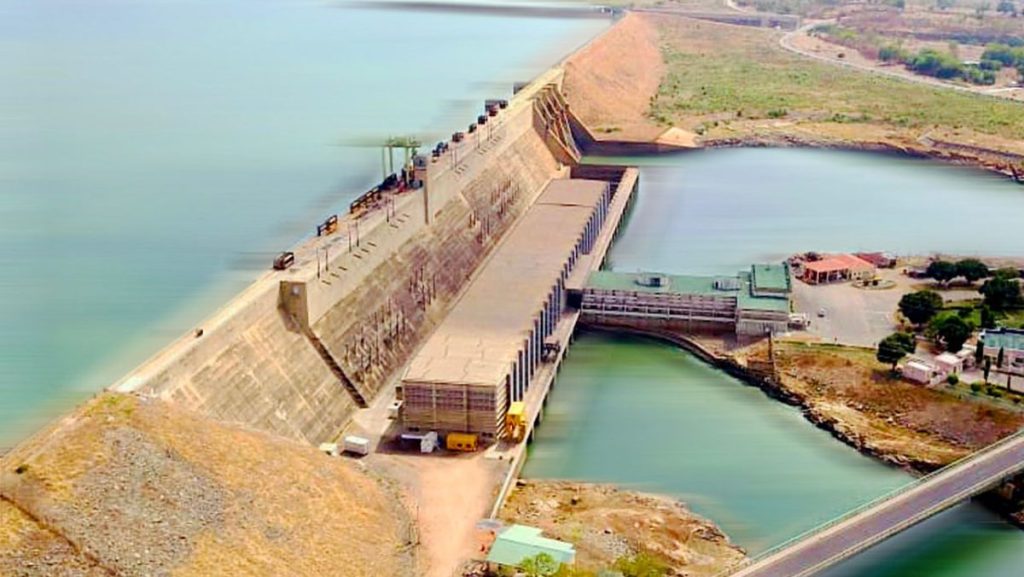
The reality is striking. Nigeria’s hydropower potential is estimated at over 14,000 megawatts (14GW+), according to long-standing assessments by energy agencies and development partners, yet only a small portion is actually being tapped. Existing large hydropower plants Kainji Dam (760MW), Jebba Dam (578MW), Shiroro Dam (600MW), and the more recent Zungeru Dam (700MW) form the backbone of Nigeria’s renewable energy supply, contributing the bulk of the country’s hydro-based electricity.
Together, these major plants account for roughly 87% of Nigeria’s renewable energy generation, yet their output still falls far short of national demand. Even more worrying is the condition of smaller and mid-sized dams scattered across states like Kaduna, Kano, Plateau, Kogi, Cross River and Bauchi, many of which are either underperforming or completely idle.
Engineers and energy analysts say the problem is not just lack of capacity, but poor maintenance and neglect. Siltation has reduced reservoir efficiency in several dams, while ageing turbines and weak transmission infrastructure continue to choke output. Seasonal water fluctuations linked to climate variability are also becoming more unpredictable, further limiting consistent generation.
This is happening at a time when Nigeria is aggressively pushing renewable energy expansion through solar mini-grids, hybrid systems and private-sector driven electrification projects. Yet experts argue the country is overlooking a cheaper and faster route rehabilitating existing dams rather than building new ones from scratch.
Some pilot projects already show what is possible. Hybrid solar-hydro systems introduced in select locations have demonstrated improved stability, especially during dry seasons when water levels drop. But these remain limited in scale and funding.
The broader concern is that Nigeria is sitting on infrastructure that already cost billions to build, while still spending heavily on fuel-based generation and emergency power solutions. Energy analysts say unlocking even 30–40% of underutilised hydro assets could significantly reduce electricity deficits and cut dependence on diesel generators that dominate homes and businesses.
Beyond electricity, these dams were originally designed with multi-purpose functional irrigation, flood control and water supply. In states facing worsening food insecurity and flooding, especially in the north-central and north-west regions, the failure to fully optimise dam systems is now being seen as both an energy and agricultural loss.
The Federal Government’s Nigerian Electricity Regulatory Commission and related agencies have repeatedly pointed to rehabilitation programmes and public-private partnerships as the way forward. Funding initiatives, including green bonds and multilateral support, are being considered to upgrade turbines, dredge reservoirs and expand small hydropower development.
But the gap between policy talk and field reality remains wide. Several rehabilitation projects move slowly due to funding delays, procurement bottlenecks and security concerns in some dam-hosting communities.
Still, the opportunity is hard to ignore. Nigeria does not necessarily need to build new mega-dams to transform its energy landscape. The real breakthrough may already be sitting in rusting turbines, silted reservoirs and underused waterways spread across more than 30 states.
For a country where electricity supply remains one of the biggest constraints to industrial growth, the question is no longer whether hydropower matters but why so much of it is still lying dormant.