Close Menu
    Facebook X (Twitter) Instagram
    Facebook X (Twitter) Instagram
    SweetCrudeReportsSweetCrudeReports
    Subscribe
    • Home
    • Oil
    • Gas
    • Power
    • Solid Minerals
    • Labour
    • Financing
    • Freight
    • Environment
    • Community Development
    • Renewable Energy
    • E-Editions
    SweetCrudeReportsSweetCrudeReports
    Home » Nigeria’s new electricity tariff, a sacrifice worth making – LCCI

    Nigeria’s new electricity tariff, a sacrifice worth making – LCCI

    June 20, 2012
    Share
    Facebook Twitter LinkedIn WhatsApp

    Naomi Uzor & Olayemi Fofah

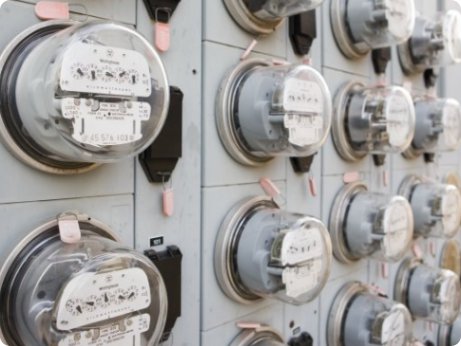
    20 June 2012, Sweetcrude, LAGOS — THE Lagos Chamber of Commerce and Industry, LCCI, Tuesday, said the new electricity tariff introduced by National Electricity Regulatory Commission, NERC and Minister of Power, Professor Barth Nnaji, was a sacrifice worth making.

    LCCI’s Director-General, Mr. Muda Yusuf, in a statement,in Lagos, said, “NERC had argued that the proposed tariff review was a major plank of the power sector reform and that the purpose was to make electricity tariff cost-reflective, so as to attract investors to the sector. It is difficult to fault this position, especially in the light of the clamour by the citizenry for a private sector-driven power sector,” adding that he believed it was a sacrifice worth making.

    He, however, added that, “The payment of monthly fixed charge ranging from 500 to over N100,000 is a cause for worry. There is no justification for this under the current tariff regime since the tariff is now cost- reflective. Imposition of fixed charge, irrespective of whether there is power supply or not, is exploitative and would encourage inefficiency and should, therefore, be reviewed.”

    Supporting the new tariff, he said: “In any event, it will still be cheaper (even with the review) than individual firms or households providing electricity through generators powered by diesel, petrol generators or LPFO. We also expect that this process would lead to the ultimate exit of the public sector in the direct management of the sector and limit itself to a purely regulatory function. However, electricity consumers should not be made to pay for inefficiency or corruption costs.”

    Related News

    ‘Steel, power sectors must align to drive industrial growth’

    Energy Commission of Nigeria seeks enhanced collaboration with NERC on energy development initiatives

    Tegbe calls for sustainable financing models at Nigeria Power for Health Initiative

    E-book
    Resilience Exhibition

    Latest News

    UNDP urges Nigeria to pursue future beyond plastic dependence

    June 20, 2026

    Ndume urges ECOWAS governments to dedicate 5% of budgets to rural energy

    June 20, 2026

    FG commends progress on $400m rare earth processing plant in Nasarawa

    June 20, 2026

    Clean energy investment surges to $2.2 Trillion, outpaces fossil fuels

    June 20, 2026

    Nigeria secures $3bn mining investments, signals sector growth

    June 20, 2026
    Demo
    Facebook X (Twitter) Instagram
    • Opec Daily Basket
    • Oil
    • Power
    • Gas
    • Freight
    • Financing
    • Labour
    • Technology
    • Solid Mineral
    • Conferences/Seminars
    • Community Development
    • Nigerian Content Initiative
    • Niger-Delta Question
    • Insurance
    • Other News
    • Focus
    • Feedback
    • Hanging Out With Markson

    Subscribe for Updates

    Get the latest energy news from Sweetcrudereports.

    Please wait...
    Please enter all required fields Click to hide
    Correct invalid entries Click to hide
    © 2026 Sweetcrudereports.
    • About Us
    • Advertise with us
    • Privacy Policy

    Type above and press Enter to search. Press Esc to cancel.