Precious Anga
Lagos — The Nigerian Independent System Operator has acknowledged that the country’s electricity system is operating under difficult conditions, citing constraints across generation and transmission as well as growing challenges in maintaining grid stability.
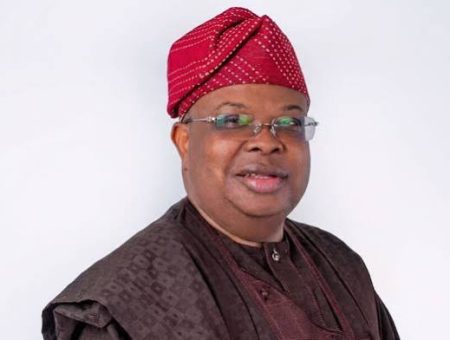
The Managing Director and Chief Executive Officer of NISO, Engr. Abdu Bello Mohammed, disclosed this at a workshop on strengthening grid stability in Niger State, where he outlined the operational pressures confronting the national electricity grid.
Mohammed identified changing electricity demand patterns, frequency excursions, voltage-security challenges and the need to coordinate a more diverse mix of energy resources as some of the major issues affecting the system.
He explained that frequency excursions could arise from several interconnected factors, including sudden losses of generation or load, inaccurate forecasting and scheduling, faults, inadequate system inertia and the response of generating units during system disturbances.
The NISO chief said addressing the challenges would require more than technical interventions, stressing the importance of accurate operational information, adequate frequency and voltage control resources, effective reserve management, compliance with the grid code and stronger coordination among industry stakeholders.
“It demands accurate and timely operational information, adequate frequency and voltage control resources, effective reserve management, strict compliance with the grid code, operational discipline, and, above all, seamless coordination among stakeholders. Equally important is the need to ensure that operational decisions today are supported by robust planning for the future.
“As Nigeria pursues the development of new generation projects, transmission infrastructure and other greenfield investments across the power sector, system planning becomes increasingly critical to the long-term stability and reliability of grid operations. The successful integration of these projects will require careful assessment of transmission adequacy, system strength, operational flexibility, reserve requirements, reliability criteria and future demand growth,” he said.
Mohammed maintained that Nigeria’s future grid would depend not only on how effectively existing infrastructure is operated, but also on deliberate planning and network development capable of accommodating new energy resources and rising electricity demand.