Mkpoikana Udoma
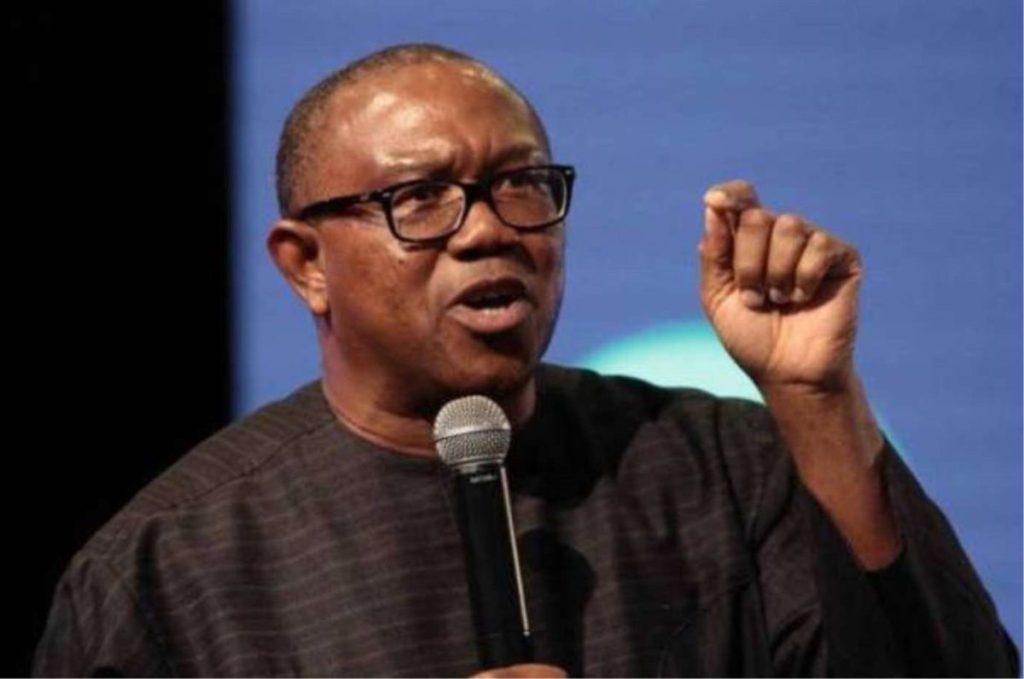
Port Harcourt — Presidential candidate of the Nigerian Democratic Congress, NDC, Mr. Peter Obi, has unveiled an ambitious economic recovery blueprint centred on power sector expansion, agricultural productivity, security, and private sector growth, declaring that Nigeria cannot achieve prosperity without fixing the foundations of production.
In his acceptance speech after emerging as the NDC presidential candidate, Obi painted a grim picture of the nation’s economy, citing struggling businesses, rising insecurity, food shortages, weak healthcare systems, and chronic electricity shortages as major obstacles to growth.
“Businesses are struggling, communities are suffering, and an alarming number of citizens have lost faith in the very concept of governance,” Obi said. “Yet, I stand before you filled with optimism and strong faith in the resilience of our people, for I firmly believe that a New Nigeria is possible.”
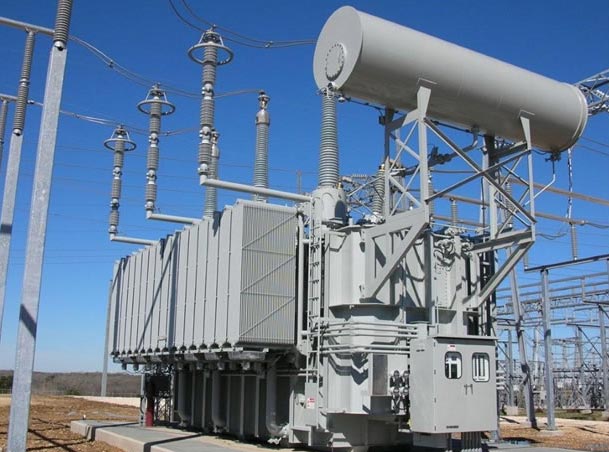
For the business community, Obi’s most significant pledge was his commitment to tackle Nigeria’s crippling power deficit, which he described as a major constraint on industrial development and economic expansion.
“Nigeria today is the nation with the highest number of citizens lacking access to electricity globally,” he said. “We currently generate and distribute a mere 4,000 megawatts of electricity for a population exceeding 200 million.”
Comparing Nigeria with peer economies, Obi noted that countries such as South Africa and Egypt generate and distribute over 40,000 megawatts despite having significantly smaller populations.
“This considerable power shortfall continues to cripple businesses, choke industries, and stall overall economic growth,” he stated.
To address the challenge, Obi pledged a major increase in electricity supply within a single presidential term.
“Over the next four years, I commit to ensuring a minimum of 10,000MW increase in power generation and distribution,” he declared.
The former Anambra State governor also identified agriculture as Nigeria’s biggest untapped economic asset, arguing that the country’s vast arable land should be transformed into a production engine capable of tackling hunger, creating jobs, and generating export earnings.
“Transitioning our nation from a state of consumption to one of production through significant investments in agriculture is the sole dependable strategy to escape the current depths of hunger and poverty,” he said.
“As I often emphasise, the uncultivated lands in our northern region represent our most substantial tangible assets. Transforming this sector is our direct pathway to prosperity.”
On employment and enterprise development, Obi promised targeted support for Micro, Small and Medium Enterprises, MSMEs, through tax incentives, lower borrowing costs, and improved access to finance.
“We will address this by aggressively supporting the growth of micro, small and medium enterprises through targeted tax incentives, special interest rates, and accessible funding in sectors such as agriculture, manufacturing, entertainment, sports, and distribution,” he said.
The NDC candidate linked Nigeria’s weak investment climate to insecurity, stressing that restoring safety across the country is essential to attracting domestic and foreign investment.
“Farmers must be able to return to their fields securely; students must be able to learn without fear; communities must be able to rest peacefully; and investors must regain their confidence in Nigeria,” Obi stated.
“Our strategy will be intelligence-driven, technology-enhanced, proactive, and community-focused.”
Obi also promised reforms in governance and public finance management, pledging to cut corruption and reduce the cost of governance.
“Nigerians will witness a tangible and verifiable reduction in corruption and the baseline costs associated with governance,” he said. “Public resources will be managed with absolute transparency, prudence, and accountability.”
In a move aimed at reassuring investors and businesses, Obi vowed to strengthen democratic institutions and uphold the rule of law.
“The rule of law will be fiercely upheld, and adherence to it will be sacrosanct for both government officials and citizens alike,” he said.
He concluded by nominating former Kano State Governor Rabiu Musa Kwankwaso as his running mate, describing the partnership as part of a broader effort to build a united and economically productive Nigeria.
Obi’s acceptance speech, SweetCrude Reports noted, signals a campaign likely to focus heavily on economic reforms, energy expansion, agricultural productivity, and private-sector-led growth as key pillars of his 2027 presidential bid.