 Mkpoikana Udoma
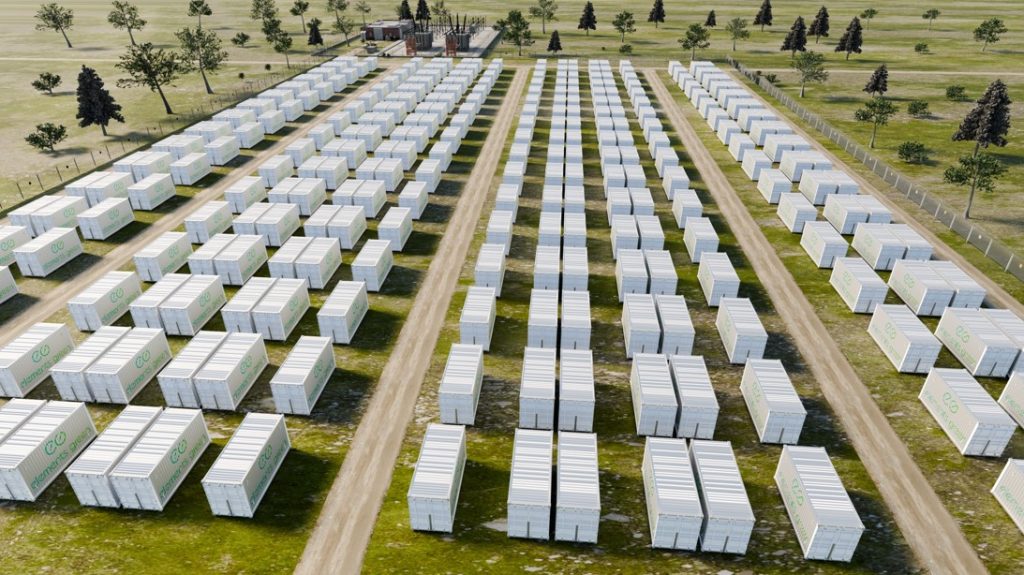
Port Harcourt — The Transmission Company of Nigeria, TCN, and the African Development Bank, AfDB, have advanced plans to deploy Battery Energy Storage Systems, BESS, to strengthen grid stability and improve electricity supply reliability across Nigeria.
The move came as both institutions commenced a two-day Validation Workshop for the Battery Energy Storage System Feasibility Study in Abuja, bringing together stakeholders to review and validate key policy and technical recommendations for the project.
Speaking at the workshop, the Managing Director and Chief Executive Officer of TCN, Engr. Sule Ahmed Abdulaziz, described the initiative as a strategic intervention aimed at addressing persistent grid instability and enhancing power system balancing in the country.
Represented by the General Manager, Engineering, Engr. Mojeed Akintola, Abdulaziz urged stakeholders to make meaningful contributions to ensure the final report reflects the realities of Nigeria’s electricity sector.
He said the Battery Energy Storage System project represents a forward-looking solution designed to support the national grid and improve operational efficiency.
According to him, “The BESS project is a forward-looking measure by TCN in collaboration with AfDB to address system instability and enhance grid balancing in the country.”
The TCN boss noted that the initiative comes at a critical period when Nigeria is seeking innovative solutions to improve electricity reliability and support growing energy demand.
He further commended the African Development Bank for partnering with TCN on the project, stressing that energy storage technologies are becoming increasingly important in modern power systems globally.
Also speaking, the Lead Consultant for the project from the African Development Bank, Prof. Tajudeen Humble Sikiru, emphasized the importance of thoroughly scrutinising the feasibility study and related policy documents.
Sikiru urged participants to pay close attention to every aspect of the report during the validation process, noting that the success of the project could significantly influence the future direction of Nigeria’s electricity sector.
“The future of Nigeria’s electricity sector depends on the outcomes of this workshop,” he stated.
He added that stakeholder inputs would help strengthen the final recommendations and ensure that the proposed battery storage solutions align with Nigeria’s power sector requirements and long-term energy transition goals.
The Battery Energy Storage System initiative is expected to provide additional flexibility to the national grid, improve frequency regulation, support renewable energy integration, and reduce the impact of power fluctuations on electricity consumers.
The validation workshop marks another step in Nigeria’s efforts to modernise its electricity infrastructure and deploy emerging technologies capable of improving grid resilience and overall power system performance.