Precious Anga
Lagos — United States President Donald Trump has declared that Washington and Tehran are on the verge of signing a landmark agreement that could ease tensions across the Middle East and reopen one of the world’s most strategic energy corridors.
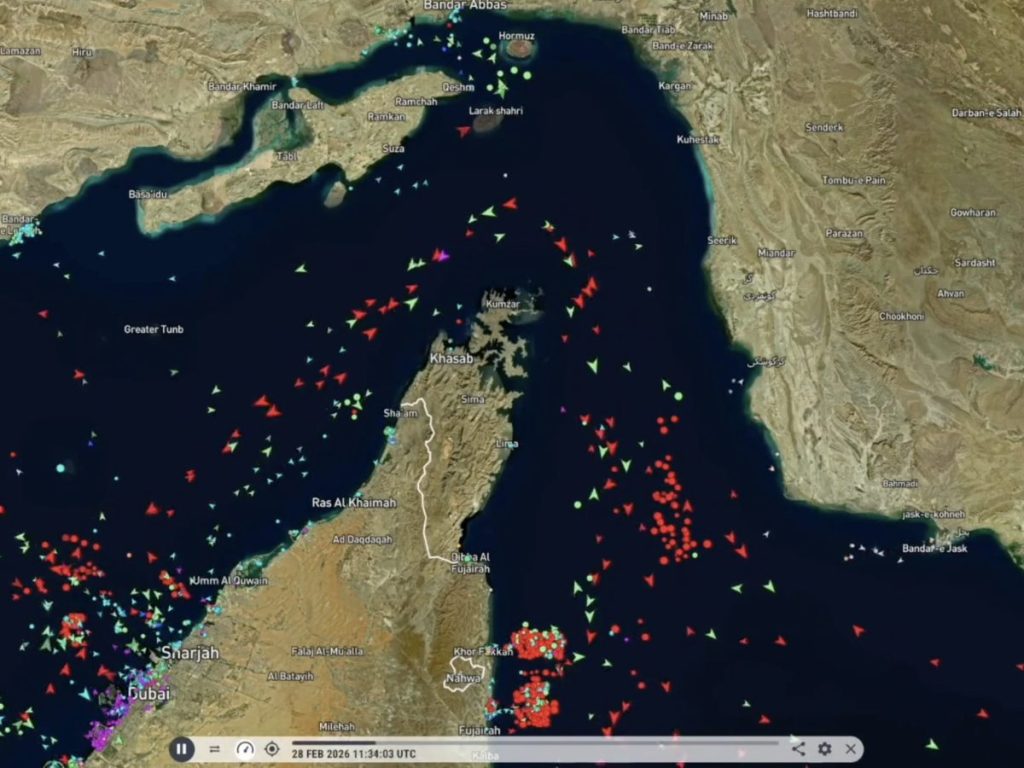
Trump said the deal is expected to be signed on Sunday, describing it as a breakthrough that would immediately restore unrestricted access through the Strait of Hormuz, a vital route for global oil and gas shipments.
“The Deal is scheduled to get signed tomorrow, and immediately after it is signed, the Hormuz Strait is OPEN TO ALL,” Trump wrote on his Truth Social platform.
The announcement comes amid growing signs that negotiations between the two countries are entering their final phase. However, Iranian officials have signalled a more cautious timeline.
Iran’s Foreign Ministry spokesperson, Esmaeil Baghaei, acknowledged that talks were advancing but said the agreement would not be signed on Sunday. According to him, the document could be finalised within the coming days after completing the necessary review process in Tehran.
The differing positions underscore the delicate nature of negotiations aimed at ending a conflict that has heightened security risks across the Gulf and disrupted confidence in global energy markets.
Trump also indicated that the proposed agreement would address concerns surrounding Iran’s nuclear programme.
“When all is calm, we will get the Nuclear Dust, downblend and destroy it, whether in Iran, or the United States,” he said.
The prospect of a deal has generated cautious optimism among diplomats and analysts, particularly because of its potential impact on regional stability and international energy supplies.
Speaking from Tehran, political analyst and University of Tehran professor Foad Azadi said many Iranians believe an agreement is now closer than at any point since negotiations began.
“The general feeling in Iran is one of optimism,” Azadi said, noting that most citizens expect a deal to emerge within days.
International support for the diplomatic effort is also growing. British Prime Minister Sir Keir Starmer, during a telephone conversation with Trump, stressed the need for any agreement to deliver a lasting peace and help restore stability to international trade routes.
The latest developments come despite continued fighting involving Israel, Hezbollah and armed groups operating across Lebanon and Gaza, raising concerns that regional tensions could still threaten the diplomatic process.
Nevertheless, the momentum behind the negotiations has strengthened significantly, with Pakistan, which has reportedly supported mediation efforts, also indicating that an agreement could be reached shortly.
For global energy markets, the stakes remain high. The Strait of Hormuz handles a substantial share of the world’s crude oil and liquefied natural gas exports, making any reduction in geopolitical tensions a closely watched development for governments, traders and investors.
Should the agreement be concluded, it would represent one of the most significant diplomatic breakthroughs in the region in recent years and could ease concerns over energy supply disruptions that have weighed on international markets throughout the conflict.