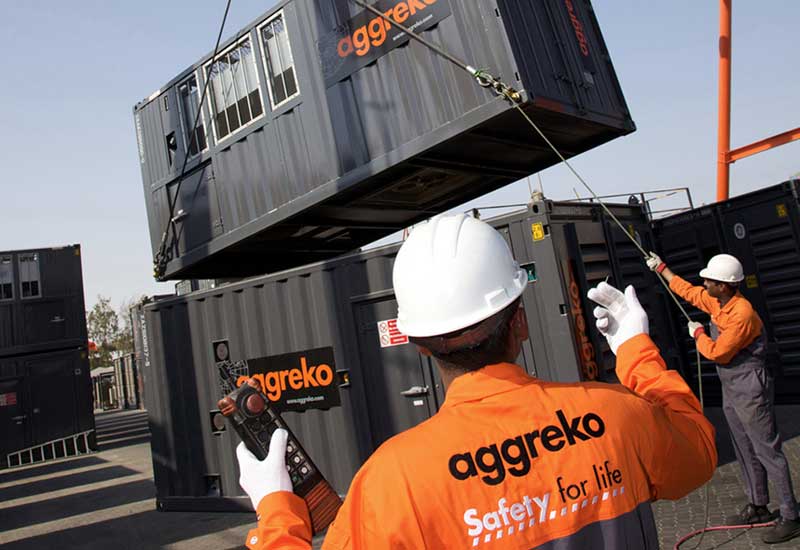
 20 August 2014, Kampala – Aggreko, an energy firm that once operated a couple of thermal plants in Uganda, is the latest company that wants to venture into Uganda’s gas industry to produce electricity, The Observer can reveal.
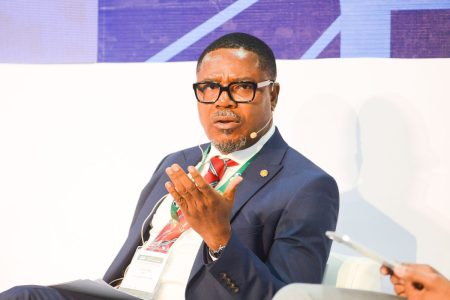
While the company has not applied for a licence yet, it has shown commitment to open talks with Uganda’s energy regulator on how it can produce electricity from the gas reserves in the western part of the country. In an email to The Observer, Chamberlain Duruike, the Head of Oil and Gas for Aggreko’s operations in Africa, said they were interested in playing a role in Uganda’s gas industry.
“We are the only operator able to offer the customers the choice of diesel, heavy fuel oil (HFO) and gas… We would urgently like to open up discussions with them (Electricity Regulatory Authority) on the best way forward,” he said.
On what Uganda would get if the company decided to apply for the licence, Chamberlain said: “Aggreko is the world leader in such power projects. Aggreko can provide more generating capacity than the total grid capacity of 170 countries and her global reach means she can respond to rapidly-shifting power demand.”
Uganda’s oil industry, valued at $150bn, according to the ministry of Energy and Mineral Development, has already sparked off major interest from energy firms looking to develop the gas. Uganda’s associated gas could amount to about 190 million standard cubic feet. There are reports that some oil fields will have excess gas supply. Uganda has so far discovered about 3.5 billion barrels of oil. Uganda, whose Gross Domestic Product is $21bn, produces less than 1,000MW of power.
It is not clear how much value is attached to Uganda’s gas reserves, or the amount of electricity that can be produced from this. Although, reports indicate that the gas is enough to power a 50MW power plant for 30 years. Energy firms have been flocking the Electricity Regulatory Authority’s offices with grand plans on the kind of investments they are willing to make to produce power using gas.
Norway’s Jacobsen Elektro Holding was the last company to ask for a licence less than five months ago. Together with Aggreko, the two would become the biggest energy players in Uganda’s gas industry if they finally received licences. The companies that applied for licences earlier this year include: Albatros Energy Uganda Limited and Lake Albert Infrastructure Services Limited.
Jacobsen said it wanted a licence to produce 100MW of power. The company, which already has a 50MW thermal power plant at Namanve, wrote in its licence application of how the three major oil companies – Tullow, Total and Cnooc – had determined Uganda’s gas reserves to be higher than earlier anticipated.
“In order to enable production of the oil in ground, a sustainable solution is required to be in place for the handling of the associated gas. In addition, we are informed by the oil companies and PEPD that reinjection of the associated gas back into the well is impossible due to the nature of the shallow oil structures,” Jacobsen writes in its licence application, which is dated March 2014. It goes on to add: “As a result the only sustainable, stable and environment-friendly solution will be to use the associated gas as fuel for power generation.”
Jacobsen, which is also developing the 6.7MW Nengo Bridge hydro power plant, said its project would not just use gas.
“Following discussions with the oil companies and PEPD (Petroleum Exploration and Production Department) it is likely that the power plant should also be able to utilize other fuel types than associated gas, namely fuel (local crude oil and local heavy fuel oil),” Jacobsen wrote.
– The Observer