Precious Anga
Lagos — Nigeria has an opportunity to unlock hundreds of millions of dollars in additional gas revenue, improve public health outcomes and strengthen its position in key export markets if it accelerates enforcement of methane emission regulations across the oil and gas sector.
Industry experts say stronger methane management has become increasingly important as global gas buyers tighten environmental standards and demand greater transparency in emissions reporting throughout the energy value chain.
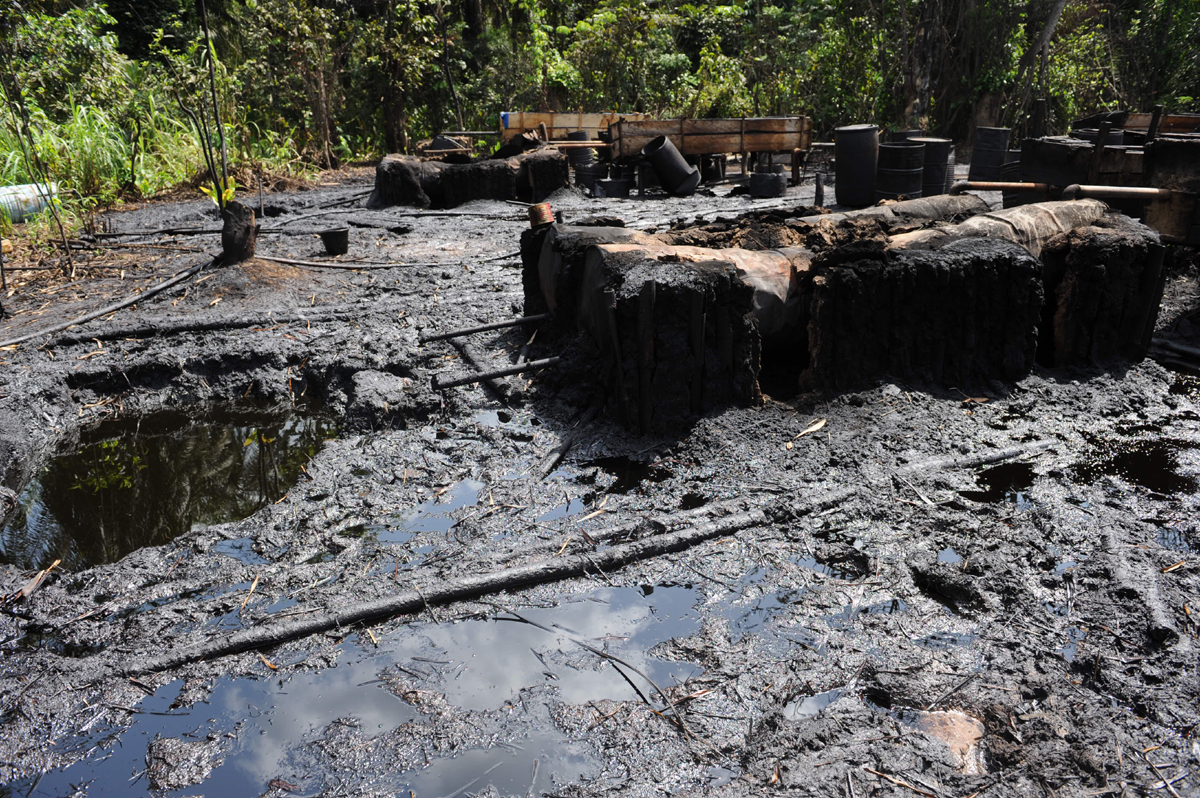
The call follows concerns over methane emissions from oil and gas operations in parts of the Niger Delta, where environmental groups and community stakeholders have highlighted the impact of gas leaks and flaring on host communities.
Methane, the primary component of natural gas, is widely recognised as a valuable energy resource. However, when released into the atmosphere through leaks, venting or incomplete flaring, it represents both an environmental challenge and a loss of potential revenue.
According to estimates by the International Energy Agency (IEA), Nigeria could generate about $350 million annually from capturing and commercialising gas that is currently lost through methane emissions. The agency estimates that methane reduction measures would require annual investments of about $240 million, creating a positive economic return while supporting environmental objectives.
Energy analysts note that reducing methane losses would improve gas utilisation, increase available feedstock for domestic industries and support the country’s ambition to become a leading gas-based economy.
The issue is attracting growing attention as major energy-importing regions introduce stricter environmental requirements for gas suppliers.
Under the European Union’s methane regulations, gas exporters will increasingly be required to demonstrate robust monitoring, reporting and verification systems. The new requirements are expected to influence purchasing decisions across global gas markets from 2027.
For Nigeria, which exported nearly 14 million tonnes of liquefied natural gas in 2024, maintaining compliance with emerging international standards could help preserve market access and enhance the competitiveness of its gas exports.
Industry stakeholders argue that Nigeria already possesses much of the regulatory framework needed to address methane emissions. The Petroleum Industry Act (PIA), together with subsequent methane management and gas-flaring regulations, provides mechanisms for monitoring emissions and encouraging gas recovery.
Nigeria has also committed to reducing methane emissions and eliminating routine gas flaring by 2030 under its Energy Transition Plan and broader climate commitments.
The challenge, experts say, lies in translating existing policies into measurable operational outcomes across the industry.
Improved monitoring systems, stronger compliance mechanisms and wider adoption of methane detection technologies could help operators identify emission sources more quickly, reduce gas losses and improve operational efficiency.
Beyond environmental benefits, effective methane management could support economic growth by increasing gas availability for power generation, industrial development, fertiliser production and export markets.
Industry observers believe that as global energy markets place greater emphasis on lower-emission fuel supplies, countries that successfully reduce methane intensity will enjoy stronger commercial advantages and greater investor confidence.
For Nigeria, the opportunity extends beyond compliance. Capturing gas currently lost through leaks and flaring could generate additional revenue, improve energy security and reinforce the country’s position as one of Africa’s leading natural gas producers.
With significant gas reserves and expanding LNG export capacity, stakeholders say effective methane management could become an important component of Nigeria’s strategy to maximise value from its hydrocarbon resources while supporting long-term energy transition goals.