Close Menu
    Facebook X (Twitter) Instagram
    Facebook X (Twitter) Instagram
    SweetCrudeReportsSweetCrudeReports
    Subscribe
    • Home
    • Oil
    • Gas
    • Power
    • Solid Minerals
    • Labour
    • Financing
    • Freight
    • Environment
    • Community Development
    • Renewable Energy
    • E-Editions
    SweetCrudeReportsSweetCrudeReports
    Home » Nigeria seeks $39 billion reset to tackle overlapping budgets

    Nigeria seeks $39 billion reset to tackle overlapping budgets

    December 17, 2025
    Share
    Facebook Twitter LinkedIn WhatsApp
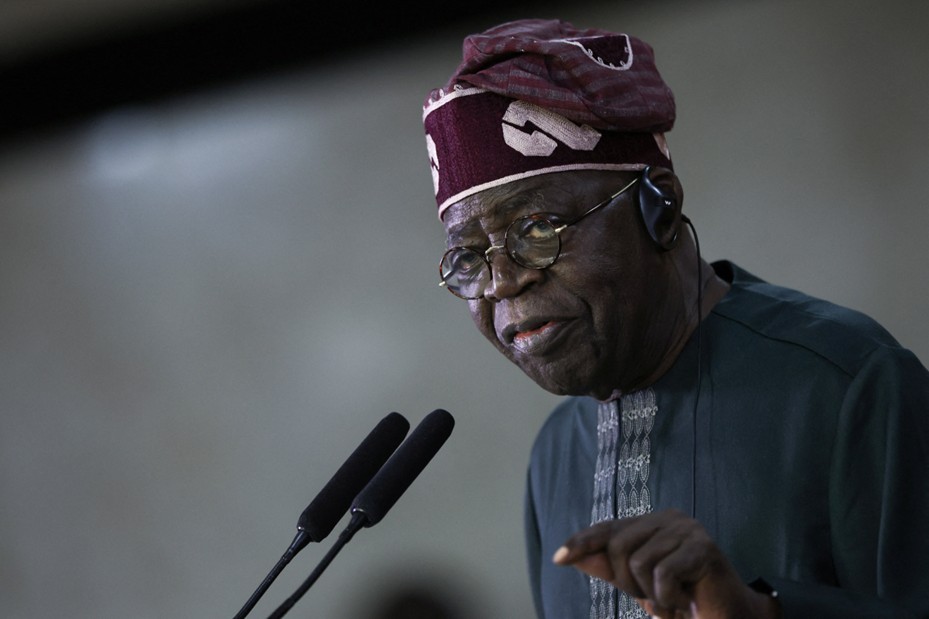
    *Nigeria’s President Bola Tinubu speaks during a joint press statement with Brazil’s President Luiz Inacio Lula da Silva (not pictured), at the Planalto Palace, in Brasilia, Brazil, August 25, 2025. REUTERS/Adriano Machado.

    Abuja — Nigeria is looking at a significant budget overhaul, potentially a “$39 billion reset,” to tackle overlapping budgets (running 2024 & 2025 budgets together) and inefficiencies by rolling over capital spending, optimizing revenue agencies (FIRS, NNPC), and reforming tax administration, aiming to cut waste and boost fiscal health amid high deficits and economic challenges.

    Key Issues & Proposed Solutions:
    Budget Overlap & Roll-overs: The government is running the extended 2024 budget alongside the 2025 budget, leading to inefficiencies; they plan to roll over 70% of 2025 capital funds into 2026 to consolidate.

    Revenue Agency Reform: President Tinubu directed a review of deductions and revenue retention by agencies like FIRS, NNPC, NIMASA, and Customs to free up resources.

    Tax Shake-up: New bills (Nigeria Tax Bill, Nigeria Tax Administration Bill) aim to simplify taxes, harmonize processes across federal/state levels, and re-establish FIRS as the federal revenue agency (NRS).

    Borrowing & Deficits: Despite efforts, Nigeria faces large budget deficits, with plans to borrow significantly for the 2026 budget to bridge gaps.

    Why the Reset?
    Fiscal Crisis: The country faces worsening budget deficits, high inflation, and declining FDI, necessitating fiscal consolidation.

    Efficiency Drive: The goal is to stop wasteful spending (like costly media chats by officials) and improve resource allocation to address poverty and infrastructure.
    In essence, Nigeria seeks to clean up its fiscal house by unifying budget cycles, strengthening revenue collection, simplifying taxes, and cutting inefficiencies, but this comes amid ongoing borrowing for large deficits.
    Related News

    Nigeria flares 77bn cubic feet of gas as LPG prices soar

    Nigeria’s crude oil imports soar 309% to $1.39bn

    US praises Nigeria’s CNG push, urges wider adoption

    Comments are closed.

    E-book
    Resilience Exhibition

    Latest News

    PTDF seeks stronger talent pipeline for oil industry growth

    June 22, 2026

    NMDPRA tasks Indorama on operational excellence, safety compliance

    June 22, 2026

    OPEC projects $92bn refining investment for Africa by 2050

    June 22, 2026

    Gas leak, pipeline attacks force Rivers community residents to flee

    June 22, 2026

    NIMASA signs capacity development MoU with ITC-ILO

    June 22, 2026
    Demo
    Facebook X (Twitter) Instagram
    • Opec Daily Basket
    • Oil
    • Power
    • Gas
    • Freight
    • Financing
    • Labour
    • Technology
    • Solid Mineral
    • Conferences/Seminars
    • Community Development
    • Nigerian Content Initiative
    • Niger-Delta Question
    • Insurance
    • Other News
    • Focus
    • Feedback
    • Hanging Out With Markson

    Subscribe for Updates

    Get the latest energy news from Sweetcrudereports.

    Please wait...
    Please enter all required fields Click to hide
    Correct invalid entries Click to hide
    © 2026 Sweetcrudereports.
    • About Us
    • Advertise with us
    • Privacy Policy

    Type above and press Enter to search. Press Esc to cancel.