Mkpoikana Udoma
Port Harcourt — The Governor of the Central Bank of Nigeria, Olayemi Cardoso, has declared that Nigeria’s banking sector recapitalisation drive is yielding results, with 32 banks meeting new capital requirements ahead of the March 31 deadline.
Speaking at the 2026 Monetary Policy Forum in Abuja, Cardoso said the milestone reflects growing confidence in the financial system and underscores the success of ongoing reforms.
“Macroeconomic stability in Nigeria is a shared responsibility requiring strong collaboration between fiscal authorities, banks, and the private sector,” he stated.
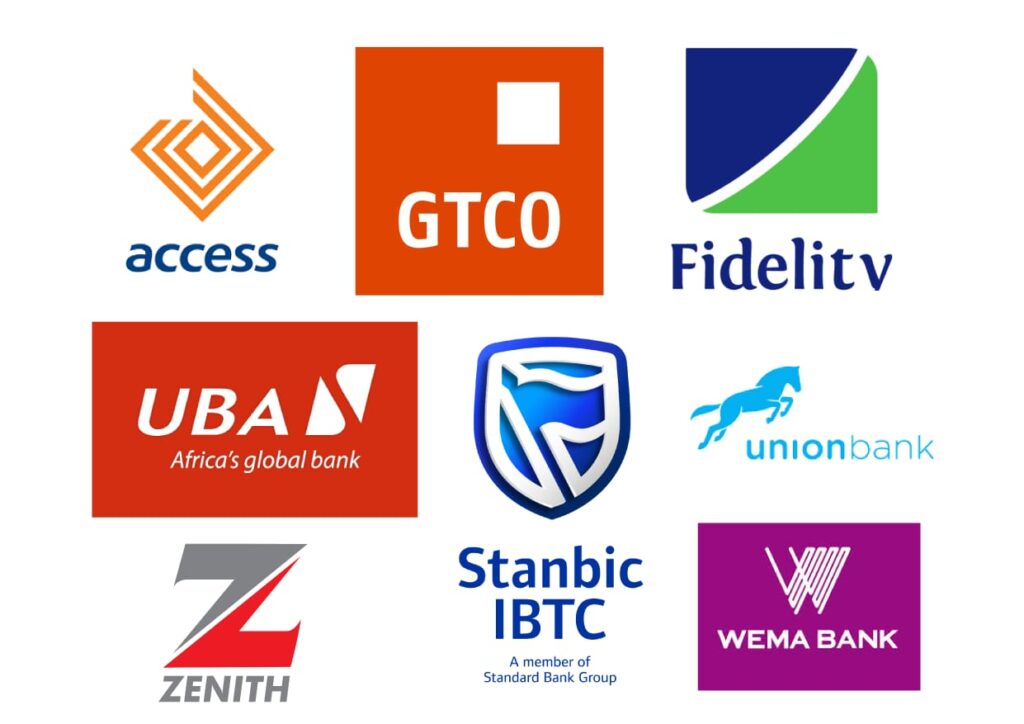
He revealed that banks across different license categories had complied with the new thresholds, including seven international banks such as Zenith Bank, Access Bank, First Bank, GTBank, UBA, Fidelity Bank, and FCMB, which met the N500 billion minimum requirement.
Cardoso noted that the broader reform agenda is already delivering measurable gains across key economic indicators.
“Inflation is trending downward, reflecting disciplined and data-driven monetary policy,” he said.
He added that confidence in the foreign exchange market is strengthening.
“FX market confidence is improving, with verified backlogs cleared and parallel market premium below 2%,” he disclosed.
On external inflows, the CBN Governor said diaspora remittances have surged significantly.
“Diaspora remittances have risen from $200 million to $600 million monthly, with a target of $1 billion by end-2026,” he said.
Cardoso also highlighted improved fiscal discipline, noting a sharp reduction in Ways and Means financing.
“Ways and Means advances declined from N26.95 trillion in 2023 to N2.84 trillion in 2026,” he stated.
According to him, Nigeria has “turned a corner” through tighter monetary policy, FX reforms, banking sector recapitalisation, and improved coordination with fiscal authorities.
Also speaking, Minister of Finance, Wale Edun, commended the alignment between monetary and fiscal policies.
He praised the “strong fiscal-monetary policy coordination amongst stakeholders,” describing it as critical to sustaining economic recovery.
Despite the progress, a few banks, including Keystone Bank, Polaris Bank, and Mauritius Commercial Bank Nigeria, are yet to meet the recapitalisation threshold as the deadline lapses.