04 January 2015, Sweetcrude, Port Harcourt – Stephen Onyokia is a retired oil man; well not exactly, as he would always remind you. He was forced out of his job when he lost three fingers in an industrial accident. No insurance payments and no redundancy benefits: according to his employment contract he was engaged as a daily labour hand, only he had worked daily for the company for fifteen years. Stephen Onyokia is not bitter with his former employers.
“I got what I bargained for,” he says with philosophical resignation.
“This brings me to our discourse for this evening: our plight as a people in relation to the dwindling resources of our waterways and rivers.”
The old man is so thin you could pick out his ribs in the poor lighting provided by the moon on the Brass beach, tall and of patrician bearing his nose is bulbous at the tip. He speaks with the rasp that is the product of alcohol and eighty five years of living off the river as its resources progressed towards extinction. His story this evening is a popular one in Brass.
The oil majors came and were welcomed without any caution or thoughts for the future. Indeed it was they who decided on the need to implement some safety measures in order not to waste the operational environment.
As you know, no industrialist would introduce a set of rules that undermines his operations or profit, so the rules were inchoate and insufficient, with the devastating effect on animal and plant life in our creeks, rivers and waterways. We allowed ourselves to be manipulated into this situation.
The folks who negotiated the contracts with the oil majors were Nigerians whose communities would never be impacted by negligent oil and gas operations. So where were we the primary beneficiaries and sufferers of the operations?
What did I do when for fifteen years an employer kept me as a daily labour hand contrary to our country’s laws?
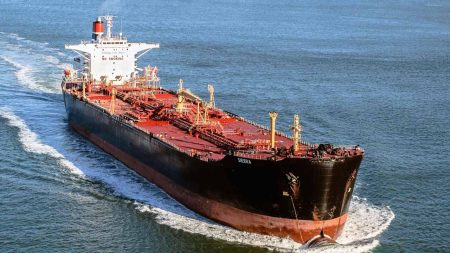
The story of Stephen Onyokia’s exploitation and the despoliation of the Niger Delta Region by the federal government and the oil majors are applicable to Nigeria as a country. Nigeria is an oil producing country of repute supplying oil and gas to Europe, the Americas and Asia.
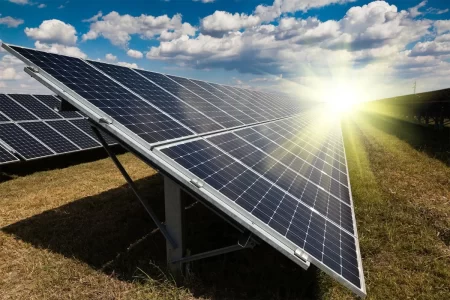
It belongs to OPEC, a cartel of oil and gas producing countries that, as at the end of 2013, controlled 1,206 Billion Barrels or 81% of the world’s total oil supply. Fossil fuels are non-renewable and the civilised world is engaged in frenetic research efforts to develop renewable and alternative sources of energy. Nigeria’s oil and gas authorities have failed to develop a strategy for the sustenance of the country’s energy needs when fossil fuels dry up or when they would become unprofitable and unreasonable to invest in.
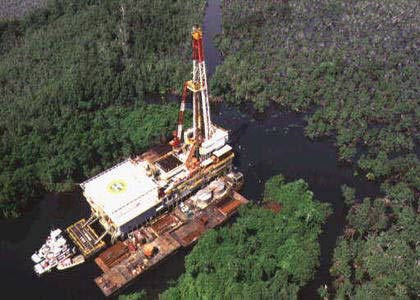
Take this scenario; presently a litre of PMS sells for between £1.14 and £1.15 in the United Kingdom, approximately NGN328.9 but sells for NGN97.00 in Nigeria. Nigeria has depleted its onshore resources and is now exploiting its offshore and deep sea resources.
Nigeria’s NNPC, its oil and gas interface with the world currently costs Nigeria more than a half of the profits realised from oil and gas operations. What structures are we putting in place to be abreast with a world that is pricing fossil fuels optimally within given borders in preparing financially for the inevitable switch to alternatives?
Can we sustain this regime of pricing that appears to benefit the masses but actually benefits only marketing companies and criminal elements in the bureaucracy? Are there policies being put in place to reduce the shock on the economy when Nigerians become only buyers of energy products? Is the country prepared technologically for a change in energy types, units and systems?
The march towards change in technology or the general evolution of human society does not indulge the indolent; in fact history tells us that it feeds on the indolent. The world knew ships that were powered by oars, then wind (in well constructed sails), then steam, then coal and now fossil fuels. The change from fossil fuels to the next energy source is as inevitable as the progression of time.
Nigerians therefore have choices; we can choose to be tossed out in the energy scheme as by an irresponsible company in denial did to Stephen Onyokia or to be dried out of resources like the creeks, rivers and waterways of the Niger Delta, while the North Sea, where oil and gas operations first started is flourishing with salmon and other aquatic life.
We can also choose the path of prudence and honour by putting our heads down to plan our transition from energy producers of a kind to energy producers of another kind or at least to energy procurers, prepared and able.