Close Menu
    Facebook X (Twitter) Instagram
    Facebook X (Twitter) Instagram
    SweetCrudeReportsSweetCrudeReports
    Subscribe
    • Home
    • Oil
    • Gas
    • Power
    • Solid Minerals
    • Labour
    • Financing
    • Freight
    • Environment
    • Community Development
    • Renewable Energy
    • E-Editions
    SweetCrudeReportsSweetCrudeReports
    Home » Britain’s energy price cap to rise 13% in July – Cornwall Insight

    Britain’s energy price cap to rise 13% in July – Cornwall Insight

    May 20, 2026
    Share
    Facebook Twitter LinkedIn WhatsApp
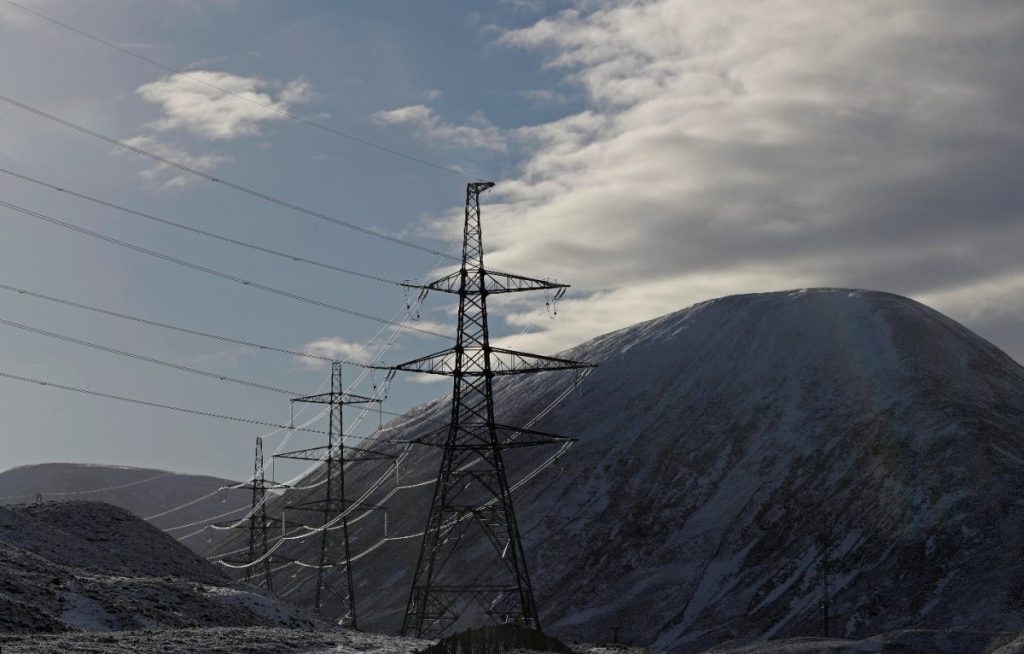
    *The Beaully to Denny power line passes through the Cairngorms National Park near Dalwhinnie, Scotland, Britain January 23, 2019. REUTERS/Russell Cheyne.

    London — Britain’s domestic energy price cap is forecast to rise by around 13% in July from current levels, analysts ​at Cornwall Insight said on Tuesday, Energy bills are ‌forecast to rise by 209 pounds ($280) to 1,850 pounds a year for a typical dual-fuel household from July. The new cap would represent ​an increase of 13% on the current 1,641 pounds ​annual bill.

    The main driver for the increase is higher ⁠wholesale prices, which climbed in February and March after U.S. ​and Israeli missile strikes on Iran and subsequent Iranian attacks ​that damaged Gulf energy infrastructure and triggered the closure of the Strait of Hormuz, through which about 20% of the world’s oil and liquefied ​natural gas usually passes.

    Although a temporary ceasefire has brought some ​calm to markets, wholesale prices have remained elevated.

    Wholesale energy prices are the ‌largest ⁠single factor contributing to British energy regulator Ofgem’s domestic price cap, which is set on a quarterly basis using a formula that also reflects suppliers’ network costs and environmental and social ​levies.

    “The bigger concern ​is October ⁠when demand picks up again and current forecasts point to a similar cap level as ​July,” the Cornwall Insight analysts said.

    “While the October ​cap will ⁠depend on how the Middle East conflict unfolds, even if the conflict were to end tomorrow, the physical damage to infrastructure ⁠and ​lingering effect of disrupted supply means ​a fall back to April’s price cap levels in the autumn looks unlikely,” ​they added.
    ($1 = 0.746 pounds)

    *Nina Chestney. Editing: Mark Potter – Reuters

    Related News

    ‘Steel, power sectors must align to drive industrial growth’

    Energy Commission of Nigeria seeks enhanced collaboration with NERC on energy development initiatives

    Tegbe calls for sustainable financing models at Nigeria Power for Health Initiative

    Comments are closed.

    E-book
    Resilience Exhibition

    Latest News

    US praises Nigeria’s CNG push, urges wider adoption

    June 19, 2026

    NEMSA unveils solar mini-grid rules, boosts renewable energy oversight

    June 19, 2026

    Again, Obi questions Nigeria’s rising debt, demands borrowing transparency

    June 19, 2026

    NMDPRA, NEITI deepen data transparency drive to strengthen reforms

    June 19, 2026

    Truckers build database amid management inefficiencies in Lagos ports

    June 19, 2026
    Demo
    Facebook X (Twitter) Instagram
    • Opec Daily Basket
    • Oil
    • Power
    • Gas
    • Freight
    • Financing
    • Labour
    • Technology
    • Solid Mineral
    • Conferences/Seminars
    • Community Development
    • Nigerian Content Initiative
    • Niger-Delta Question
    • Insurance
    • Other News
    • Focus
    • Feedback
    • Hanging Out With Markson

    Subscribe for Updates

    Get the latest energy news from Sweetcrudereports.

    Please wait...
    Please enter all required fields Click to hide
    Correct invalid entries Click to hide
    © 2026 Sweetcrudereports.
    • About Us
    • Advertise with us
    • Privacy Policy

    Type above and press Enter to search. Press Esc to cancel.