Mkpoikana Udoma
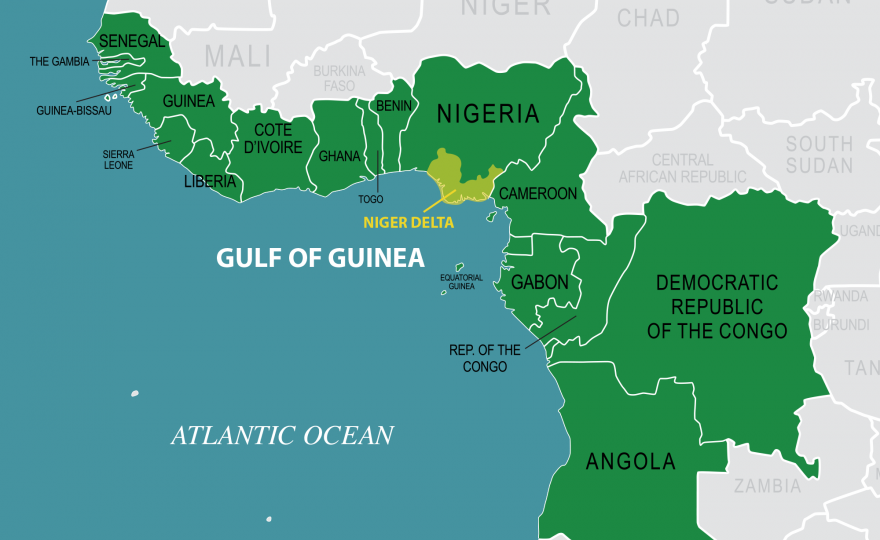
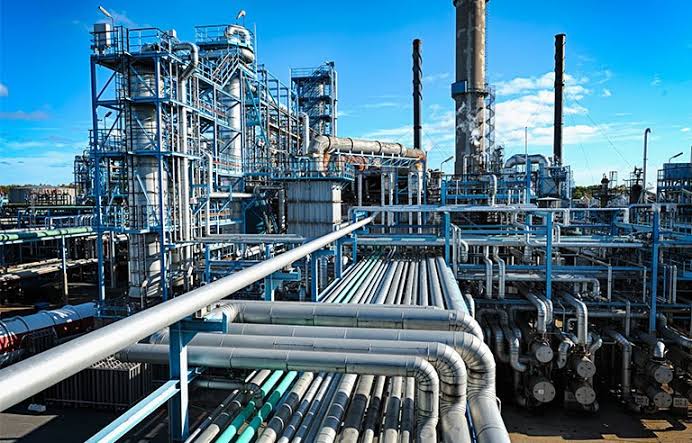
Port Harcourt — Dangote Petroleum Refinery has refuted allegations that its petroleum products are being exported to Lomé, Togo, and subsequently re-imported into Nigeria, describing the claims as “unsubstantiated” and economically illogical.
In a statement sighted by SweetCrude Reports, the refinery said the allegations were inconsistent with its commercial objectives, contractual arrangements, and longstanding commitment to reducing Nigeria’s dependence on imported petroleum products.
The company said it was compelled to respond despite its policy of ignoring what it described as “baseless and unsubstantiated claims,” noting that the allegations had gained enough attention to warrant clarification.
“As a matter of policy, we do not respond to baseless and unsubstantiated claims, given our current determination and focus in ensuring energy security in Nigeria and Africa as a whole. However, we have decided to clear the air on these ill-motivated web of falsehoods for posterity,” the refinery stated.
The refinery argued that facilitating the re-importation of its own products into Nigeria would directly undermine its strategic goal of maintaining and strengthening its position as a leading supplier of petroleum products in the domestic market.
“A key objective of Dangote Refinery is to maintain and strengthen its position as a leading supplier of petroleum products to the Nigerian market. Facilitating imports that compete directly with our own production would be inconsistent with this objective,” the company said.
According to the refinery, its sales contracts and tender terms expressly prohibit buyers from reselling or re-importing products into Nigeria.
Providing further justification, the company said the economics of the alleged trade route do not support such transactions, estimating that moving petroleum products from the refinery to Lomé and then back into Nigeria would cost between $82 and $90 per metric tonne.
“The estimated logistics cost of moving products from Dangote Refinery to Lomé and subsequently back into Nigeria is approximately $82-90 per metric ton. These additional costs would significantly erode margins and make such transactions commercially unattractive,” it explained.
The refinery added that it does not offer export discounts substantial enough to offset the logistics expenses associated with such a trade arrangement.
“Simply put, there is no evident commercial incentive for a producer to incur additional shipping, storage, financing and handling costs only for the product to return and compete in its largest and closest market,” the statement noted.
Dangote Refinery also highlighted its product monitoring and compliance systems, stating that all petroleum product sales are documented through detailed records covering lifting locations, vessels, counterparties and destination declarations.
“Dangote Refinery maintains comprehensive records of all product sales, including lifting locations, nominated vessels, counterparties, and destination declarations where applicable,” it said.
The company stressed that any suggestion that it knowingly facilitates re-importation is inconsistent with its compliance procedures and contractual restrictions imposed on buyers.
Reaffirming its position on Nigeria’s energy security agenda, the refinery maintained that increasing petroleum imports would run contrary to its mission and business interests.
“Dangote Refinery has consistently advocated for eliminating Nigeria’s dependence on imported petroleum products. Increased importation undermines local refining, places pressure on foreign exchange reserves, and weakens domestic industrial development,” the company stated.
It concluded that there was “neither a strategic rationale nor a commercial incentive” for the refinery to support exports to neighbouring countries for subsequent re-importation into Nigeria.
The clarification comes amid ongoing debates in Nigeria’s downstream petroleum sector over fuel imports, pricing dynamics, market competition, and the role of domestic refining capacity in achieving long-term energy security.