– As Mega-Expansion Plans Unfold, Critical Questions Loom Over Crude Supply and National Assets
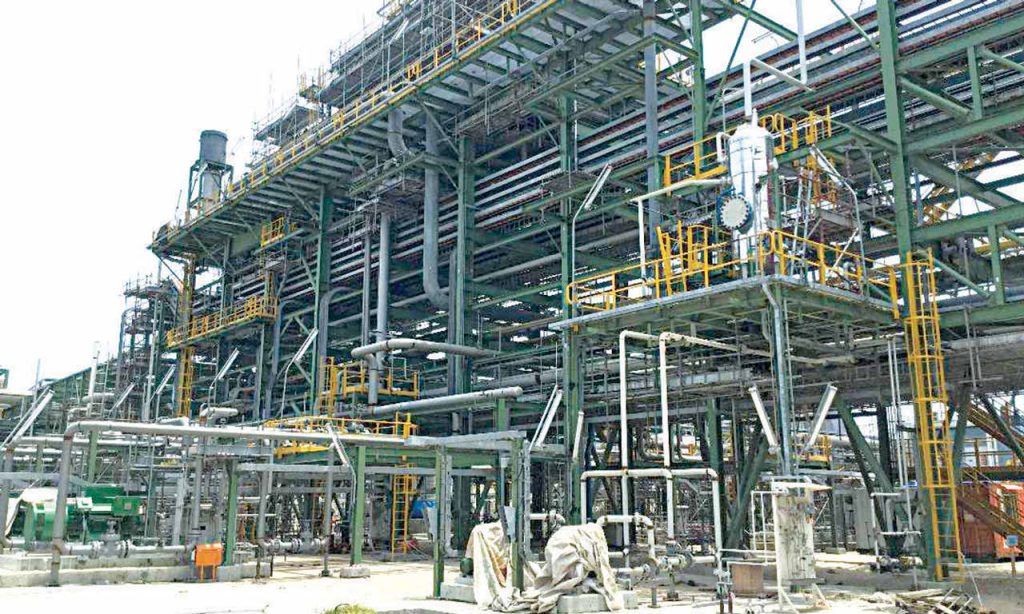
Lagos — The Society of Energy Editors, SEE, has hailed the Dangote Group’s bold plan to more than double the capacity of its oil refinery to 1.4 million barrels per day, bpd, by 2028, a project that would position it as the largest single-site refinery in the world. However, the group has raised urgent questions regarding the refinery’s long-term crude oil supply and the continued failure of the Nigerian National Petroleum Company Limited, NNPCL, to revive the country’s moribund state-owned refineries.
In a statement released today (Monday), the SEE described the Dangote Group’s investment as a “monumental leap for Nigeria’s long-held dream of energy self-sufficiency,” praising the “immense patriotism and investment drive” of Aliko Dangote. The refinery’s initial phase has already begun reshaping the domestic fuel market, but the planned expansion brings to the fore a critical challenge: securing enough crude oil to operate at full capacity.
“Ambition must be grounded in pragmatism,” the SEE stated. “The single most critical question this expansion plan raises, is the sourcing of crude oil feedstock.”
The editors highlighted the existing paradox of the 650,000 bpd facility importing crude from the United States and other countries due to domestic supply shortfalls. “If this is the challenge at 650,000 bpd, the question becomes existential at 1.4 million bpd,” the statement read.
The SEE has directly challenged the Dangote Group to clarify its long-term crude supply strategy, asking:
- What specific, binding agreements are in place with NNPCL and International Oil Companies (IOCs) to guarantee a dedicated stream of Nigerian crude?
- Is the refinery destined for permanent reliance on expensive imported crude, exposing it to foreign exchange volatility and geopolitical risks?
- What upstream acquisitions or partnerships are being pursued to secure equity production?
Simultaneously, the energy editors turned a critical eye toward the NNPCL, labeling the state of the federally-owned refineries in Port Harcourt, Warri, and Kaduna a “national tragedy” and a “staggering drain on public funds.”
“The narrative of ‘rehabilitation’ is one Nigerians have heard for over a decade, with nothing to show for it but billions of dollars flushed down the drain in phantom turnaround maintenance contracts,” the SEE asserted.
The group demanded a credible and transparent roadmap from the NNPCL management, posing the following questions:
- Beyond press releases, what are the concrete, verifiable milestones and timelines for the Port Harcourt Refinery and others?
- Given the colossal failure of previous rehabilitation attempts, what is different this time?
- What is the long-term vision for these assets—to compete with Dangote, complement it, or be integrated into a larger energy hub?
The SEE concluded that for Nigeria to achieve true energy self-sufficiency, both the Dangote expansion and the NNPCL refinery rehabilitation must succeed. The group pledged to “continue to monitor these developments closely, holding both private and public actors accountable,” emphasizing that “the energy security of Nigeria is far too important to be left to chance or empty rhetoric.”
About the Society of Energy Editors (SEE):
The Society of Energy Editors is a premier professional body dedicated to promoting excellence in energy sector reporting in Nigeria. The Society champions transparency, accountability, and sustainable growth in the nation’s oil, gas, and power industries.