Precious Anga
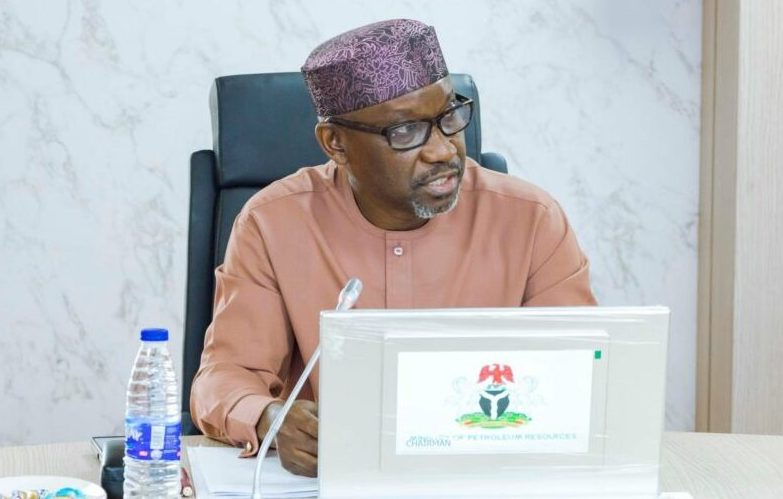
Lagos — The Minister of State for Petroleum Resources (Gas), Ekperikpe Ekpo, has urged stakeholders across Nigeria’s gas value chain to accelerate efforts to convert the country’s vast gas reserves into accessible energy solutions capable of driving industrialisation, economic growth and job creation.
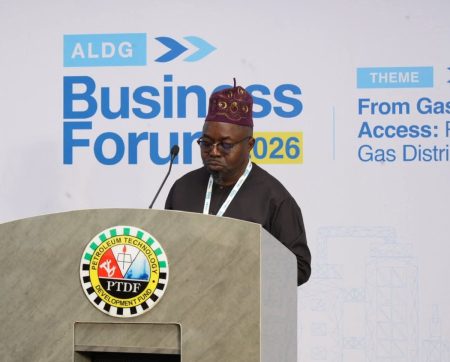
Speaking at the Association of Local Distributors of Gas (ALDG) Business Forum 2026 in Abuja, Ekpo said Nigeria must move beyond celebrating its abundant gas reserves and focus on expanding access to the resource for households, industries and businesses. He was represented at the event by the Director of Midstream and Downstream, Mrs. Ikenma Irene.
Addressing participants at the forum, themed “From Gas Abundance to Gas Access: Reassessing Nigeria’s Gas Distribution Imperatives,” the minister noted that Nigeria possesses more than 209 trillion cubic feet of proven natural gas reserves, making it one of the most gas-rich nations in the world. However, he stressed that the country’s real challenge lies in ensuring that the resource translates into tangible economic and social benefits.
According to him, Nigeria’s development will ultimately be measured not by the volume of gas in its reserves but by the extent to which the resource powers industries, supports households, creates employment opportunities and strengthens economic productivity. He added that improving access to gas remains critical to achieving sustainable national development.
Ekpo highlighted ongoing reforms under the Federal Government’s Decade of Gas initiative, noting that the Petroleum Industry Act (PIA) 2021 has provided a stronger regulatory framework to attract investment, encourage private sector participation and expand critical infrastructure across the gas sector.
The minister said countries that successfully industrialised did so by building efficient systems that ensured reliable energy supply and supported industrial growth. He argued that Nigeria must adopt a similar approach by prioritising infrastructure development, market efficiency, policy consistency and strategic investments that will make gas more accessible nationwide.
He further called on industry stakeholders to develop practical and investment-driven solutions that can accelerate gas distribution and utilisation, insisting that stronger collaboration between government and the private sector is essential to unlocking the full potential of the country’s gas resources.
Ekpo maintained that expanding domestic gas access would strengthen energy security, support manufacturing, create jobs and improve living standards, adding that Nigeria must now shift its focus from policy formulation to effective implementation in order to build a gas-powered economy that delivers benefits for all citizens.