Precious Anga
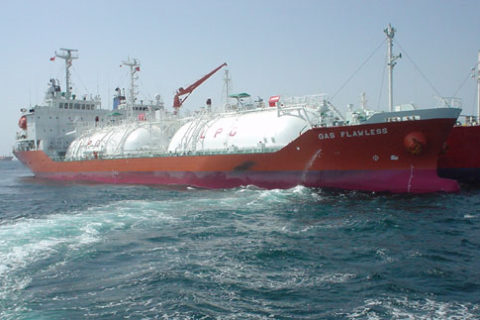
Lagos — The Federal Government has ordered an increase in cooking gas imports to shore up supply and ease mounting pressure on households as soaring prices threaten the adoption of cleaner energy across Nigeria.
Minister of State for Petroleum Resources (Gas), Ekperikpe Ekpo, directed the Nigerian Midstream and Downstream Petroleum Regulatory Authority (NMDPRA) to intensify engagements with producers, marketers and industry stakeholders to stabilise the market.
According to a statement issued by his spokesman, Louis Ibah, marketers have already committed to increasing import volumes to complement domestic production, while LPG deliveries from Seplat’s new gas facility are expected to begin in July.
Ekpo assured Nigerians that producers are not exporting LPG volumes allocated to the domestic market.
“The outlook for LPG supply remains positive, and the Federal Government will continue to pursue measures that enhance availability, affordability and long-term energy security for Nigerian consumers,” he said.
The minister attributed the recent surge in prices to foreign exchange volatility, rising logistics costs, infrastructure constraints and fluctuations in international LPG prices, insisting the situation should not be viewed as a policy failure.
He pointed to ongoing interventions, particularly the directive prioritising all locally produced LPG for domestic consumption.
“This policy has already strengthened domestic supply, reduced dependence on imports and improved market resilience,” Ekpo said.
The intervention comes as fresh data from the National Bureau of Statistics (NBS) showed that the average price of a 5kg cylinder of cooking gas rose from ₦7,655.73 in March to ₦8,706.93 in April 2026, a 13.73 per cent increase.
Similarly, the average cost of refilling a 12.5kg cylinder climbed from ₦19,652.83 to ₦22,382.20 over the same period.
The latest move underscores growing concerns that persistently high LPG prices could force more households to abandon cleaner cooking fuel for firewood and charcoal, undermining Nigeria’s energy transition ambitions despite its vast natural gas reserves.