Close Menu
    Facebook X (Twitter) Instagram
    Facebook X (Twitter) Instagram
    SweetCrudeReportsSweetCrudeReports
    Subscribe
    • Home
    • Oil
    • Gas
    • Power
    • Solid Minerals
    • Labour
    • Financing
    • Freight
    • Environment
    • Community Development
    • Renewable Energy
    • E-Editions
    SweetCrudeReportsSweetCrudeReports
    Home » In Nigeria petrol prices soar by 33.54% in one year

    In Nigeria petrol prices soar by 33.54% in one year

    July 1, 2025
    Share
    Facebook Twitter LinkedIn WhatsApp
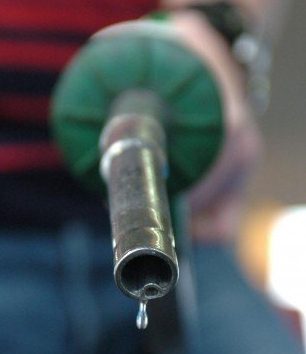
    *Petrol dispenser nozzle.

    Mkpoikana Udoma

    Abuja — Nigerians paid an average of N1,027.76 per litre for Premium Motor Spirit (Petrol) in May 2025, reflecting a 33.54% year-on-year increase compared to N769.62 in May 2024, according to the National Bureau of Statistics, NBS.

    This sharp rise continues to strain household incomes, especially as the national minimum wage stands at N70,000 per month.

    While the average price in May represents a 17.07% drop from April 2025’s N1,239.33, analysts say the relief is marginal when weighed against the broader inflationary pressures and stagnant earnings.

    The NBS report, which profiled state-by-state and zonal averages, reveals stark disparities in pump prices across the country.

    Sokoto State recorded the highest average petrol price at N1,100.50 per litre, followed closely by Zamfara (N1,093.21) and Anambra (N1,084.13). At the lower end of the spectrum, Yobe reported the cheapest average at N950.60, with Rivers (N981.67) and Taraba (N983.00) also among the lowest.

    Zonally, the South East had the highest regional average at N1,049.15, while the North Central recorded the lowest at N1,005.42.

    These figures come at a time when millions of Nigerians are grappling with high food prices, rising transport costs, and limited income.

    For context, a worker earning the newly approved minimum wage of N70,000 would have to spend nearly 74% of their salary to fill a 50-litre tank at the average May price.

    The sustained increase in fuel costs, despite recent marginal declines, raises fresh concerns over the affordability of transportation, production, and logistics across sectors of the economy.

    Related News

    Nigeria’s petrol import bill falls 96% to ₦87.4bn

    Itsekiri youths threaten shutdown of Chevron, Renaissance oil facilities

    Nigeria loses five rigs in one month as drilling activity weakens

    Comments are closed.

    E-book
    Resilience Exhibition

    Latest News

    Nigeria’s petrol import bill falls 96% to ₦87.4bn

    June 9, 2026

    Itsekiri youths threaten shutdown of Chevron, Renaissance oil facilities

    June 9, 2026

    Nigeria loses five rigs in one month as drilling activity weakens

    June 9, 2026

    CGC Adeniyi strengthens global partnerships at Customs diplomatic reception

    June 9, 2026

    EU imports of Russian Arctic LNG rise 17.9% despite short-term contract ban

    June 9, 2026
    Demo
    Facebook X (Twitter) Instagram
    • Opec Daily Basket
    • Oil
    • Power
    • Gas
    • Freight
    • Financing
    • Labour
    • Technology
    • Solid Mineral
    • Conferences/Seminars
    • Community Development
    • Nigerian Content Initiative
    • Niger-Delta Question
    • Insurance
    • Other News
    • Focus
    • Feedback
    • Hanging Out With Markson

    Subscribe for Updates

    Get the latest energy news from Sweetcrudereports.

    Please wait...
    Please enter all required fields Click to hide
    Correct invalid entries Click to hide
    © 2026 Sweetcrudereports.
    • About Us
    • Advertise with us
    • Privacy Policy

    Type above and press Enter to search. Press Esc to cancel.