Close Menu
    Facebook X (Twitter) Instagram
    Facebook X (Twitter) Instagram
    SweetCrudeReportsSweetCrudeReports
    Subscribe
    • Home
    • Oil
    • Gas
    • Power
    • Solid Minerals
    • Labour
    • Financing
    • Freight
    • Environment
    • Community Development
    • Renewable Energy
    • E-Editions
    SweetCrudeReportsSweetCrudeReports
    Home » Industrial heat constitutes one-fifth global energy consumption- IEA

    Industrial heat constitutes one-fifth global energy consumption- IEA

    February 3, 2018
    Share
    Facebook Twitter LinkedIn WhatsApp

    OpeOluwani Akintayo
    with Agency report

    03 February 2018, Sweetcrude, Lagos — The International Energy Agency, IEA, has said industrial heat makes up almost one-fifth of energy consumption and two-thirds of industrial energy.

    In its most recent report, the agency said industrial heat also constitutes most of the direct industrial CO2 emitted each year, as the vast majority of industrial heat originates from fossil-fuel combustion.

    Despite these impressive figures, industrial heat is often missing from energy analyses.

    Today’s industrial heat demand relies mainly on fossil fuels, biomass and electricity, and only very small shares of renewable resources in certain sectors.

    According to the report, low and medium temperature heat (below 400 degrees Celsius) will account for three-quarters of the total growth in heat demand in the industry by 2040, driven by less energy-intensive industries.

    This is a reversal of historical trends.

    In the last 25 years, high-temperature heat represented two-thirds of overall heat demand growth, driven by China’s rapid development of heavy industries such as steel and cement.

    That said, developing Asia continues to drive industrial heat demand growth.

    The growth in low- to medium-temperature needs in this region alone represents about half of the global industrial heat demand increase in use to 2040, according to IEA.

    Low-temperature heat use will grow in most regions through 2040, except in the European Union and Japan.

    The outlook for high-temperature heat varies even more across regions, including among developing countries.

    It decreases in China with the country’s shift to a less energy-intensive development pathway, while it increases in India as the country becomes, by a large distance, the main global driver.

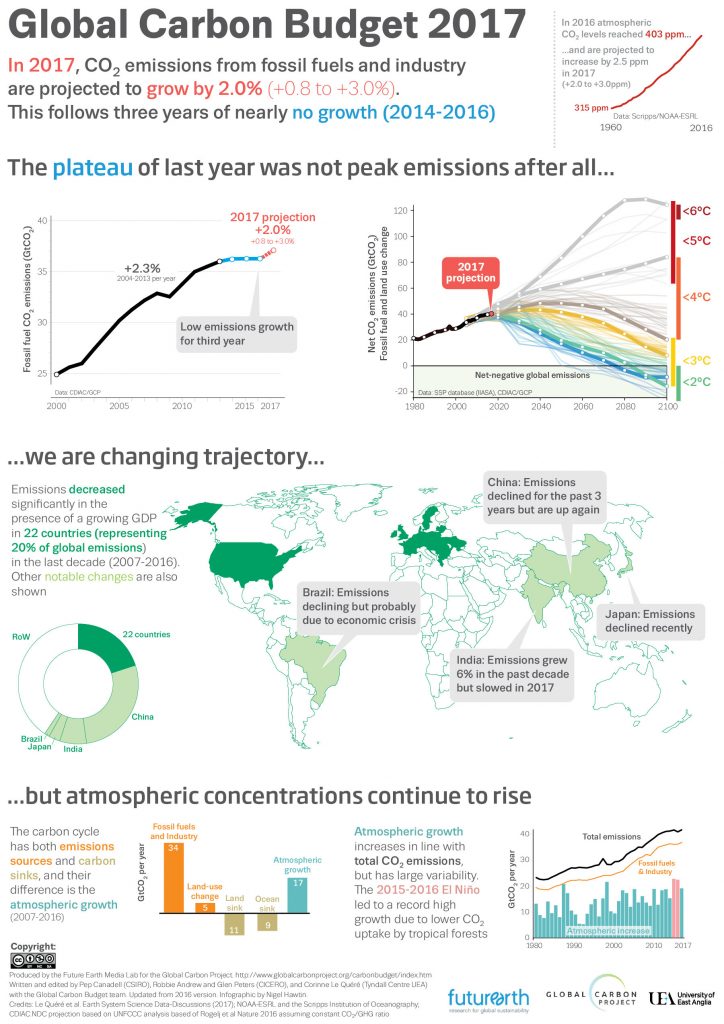
    The report added that as industrial heat demand continues to grow, so does its share in energy-related CO2 emissions, accounting for a quarter of global emissions by 2040.

    Related News

    APAC to lead global HV switchgear market expansion through 2030

    Nigeria eyes €59m EU Fund to tackle illegal fishing

    China to dominate global caustic soda capacity additions through 2030

    E-book
    Resilience Exhibition

    Latest News

    EFCC uncovers N4.4bn gold smuggling ring in Kano

    June 12, 2026

    Mambilla power fraud: Witness explains FEC document certification dispute

    June 12, 2026

    Obi queries Tinubu’s borrowing spree despite revenue doubling

    June 12, 2026

    NCDMB, Chevron launch helicopter pilot training to deepen local capacity

    June 12, 2026

    NCDMB backs Renaissance’s HCD training for Assa North-Ohaji South

    June 12, 2026
    Demo
    Facebook X (Twitter) Instagram
    • Opec Daily Basket
    • Oil
    • Power
    • Gas
    • Freight
    • Financing
    • Labour
    • Technology
    • Solid Mineral
    • Conferences/Seminars
    • Community Development
    • Nigerian Content Initiative
    • Niger-Delta Question
    • Insurance
    • Other News
    • Focus
    • Feedback
    • Hanging Out With Markson

    Subscribe for Updates

    Get the latest energy news from Sweetcrudereports.

    Please wait...
    Please enter all required fields Click to hide
    Correct invalid entries Click to hide
    © 2026 Sweetcrudereports.
    • About Us
    • Advertise with us
    • Privacy Policy

    Type above and press Enter to search. Press Esc to cancel.