Precious Anga
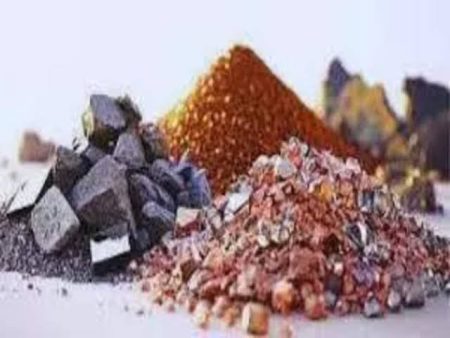
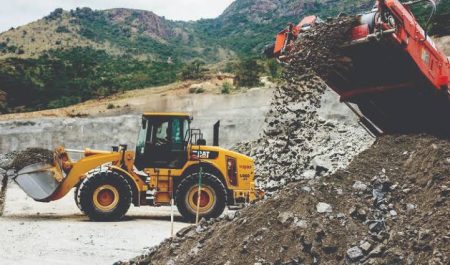
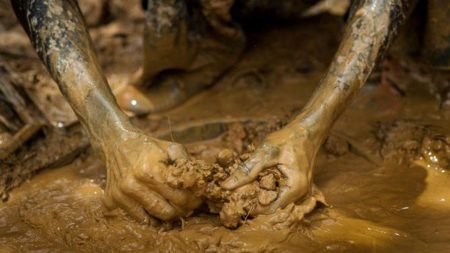
Lagos — Nigeria’s solid minerals sector has attracted about $3 billion in new investments over the past three years, driven largely by growing global demand for lithium, gold and other strategic minerals, the Federal Government has disclosed.
The government said the inflow reflects increasing investor confidence in ongoing reforms aimed at transforming the mining industry into a key pillar of economic diversification under the administration of President Bola Tinubu.
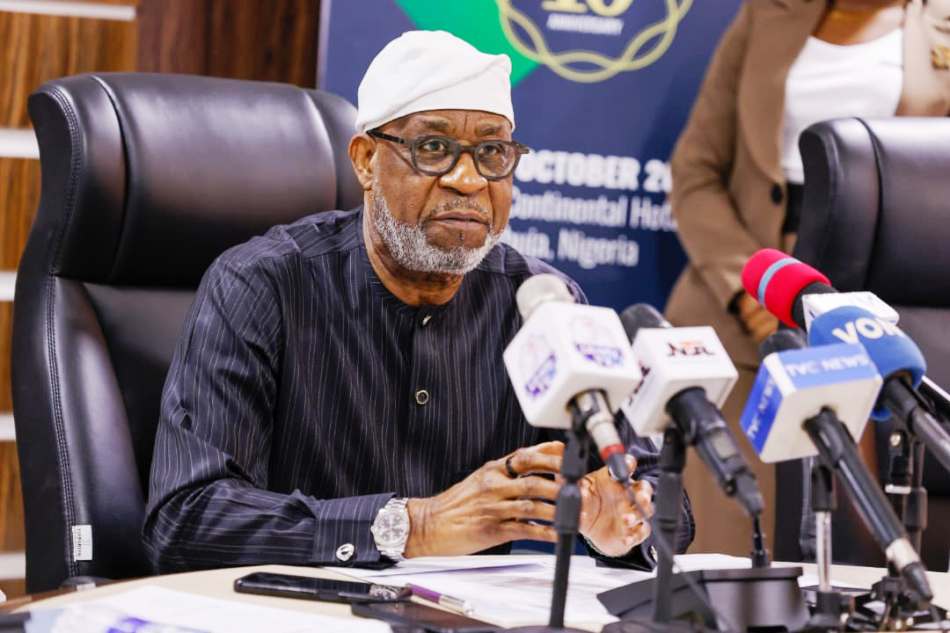
Speaking ahead of the 5th African Natural Resources and Energy Investment Summit (AFNIS 2026), scheduled to hold in Abuja from June 23 to 25, the Minister of Solid Minerals Development, Dr. Dele Alake, represented by the Managing Director of the Nigeria Solid Minerals Company, Martins Imonitie, described the investment figure as a major milestone for the sector.
According to him, attracting $3 billion in mining investments within three years is particularly significant given the capital-intensive nature of mineral development and the lengthy timelines required for exploration, financing, infrastructure development and commercial production.
He noted that mining projects often take between 15 and 20 years to reach full maturity, making the recent investment inflows a strong indication of growing confidence in Nigeria’s mining reforms and long-term prospects.
“These investments span lithium, gold and several other mineral resources. More importantly, they demonstrate increasing global interest in Nigeria’s mining sector and signal greater opportunities ahead,” he said.
Alake stated that AFNIS 2026 would focus on repositioning Africa from a supplier of raw materials to a value-adding industrial powerhouse capable of creating jobs, attracting technology transfer and driving sustainable economic growth across the continent.
He explained that the summit’s theme, “One Africa, One Resource Vision,” underscores the need for stronger collaboration among African nations in developing mineral resources, energy infrastructure and regional value chains, particularly as global demand for critical minerals continues to rise amid the energy transition.
According to the minister, the era of isolated national approaches is fading, with countries now required to work together to strengthen their competitiveness in global supply chains for lithium, cobalt, graphite, rare earth elements and other critical minerals essential to clean energy technologies.
He added that this year’s summit would place greater emphasis on implementation, investment mobilisation and project execution through dedicated financing sessions, sovereign engagements and deal-focused discussions designed to deliver tangible outcomes.
“The objective is to ensure participants leave Abuja with concrete partnerships, investment commitments and bankable projects capable of creating jobs, stimulating industrial growth and accelerating Africa’s economic transformation,” Alake said.