- As domestic refining turns the corner
- Dangote refinery’s steady operations anchor new era of reduced import dependence, macroeconomic calm
Abuja – Nigeria’s energy sector is pivoting decisively from a cycle of crisis management to a phase of disciplined execution, with the steady operation of the Dangote Refinery emerging as the single most significant factor stabilising the nation’s petroleum products supply.
According to the latest Nigeria Energy Sector Outlook for Q1 2026 published by the Society of Energy Editors, SEE, the country now has a tangible pathway to slash its dependence on imported fuels, dampen pump price volatility, and ease persistent foreign exchange and inflationary pressures.
The report, analysing current operational data and project milestones, indicates that the Dangote facility is operating normally with regular product loading, having resolved previous workforce challenges. This reliability provides a “predictable anchor” for domestic supply, creating a window for the government and industry to solidify fragile gains and pursue systemic improvements across the oil, gas, and power value chains.
A New Downstream Reality: Import Reliance Shifts from “Systemic Crutch” to “Balancing Tool”
The Outlook projects that for the first quarter of 2026, 60% to 75% of national fuel supply will be sourced domestically, primarily from Dangote and the network of modular refineries. This marks a dramatic shift from previous years, where imports accounted for the overwhelming majority of supply, exposing the economy to global price shocks, demurrage costs, and FX market pressure.
“With stable local supply, the paradigm has changed,” the report states. “Imports now function as a strategic balancing mechanism rather than a systemic crutch.” This stability allows for more predictable pricing, with Premium Motor Spirit (PMS) projected to trade within a band of ₦800 to ₦1,100 per litre under a partially subsidised regime.
Execution Pillars: From Refining Stability to Broader Sector Resilience
The newfound downstream steadiness shifts focus to three critical execution pillars for Q1 2026:
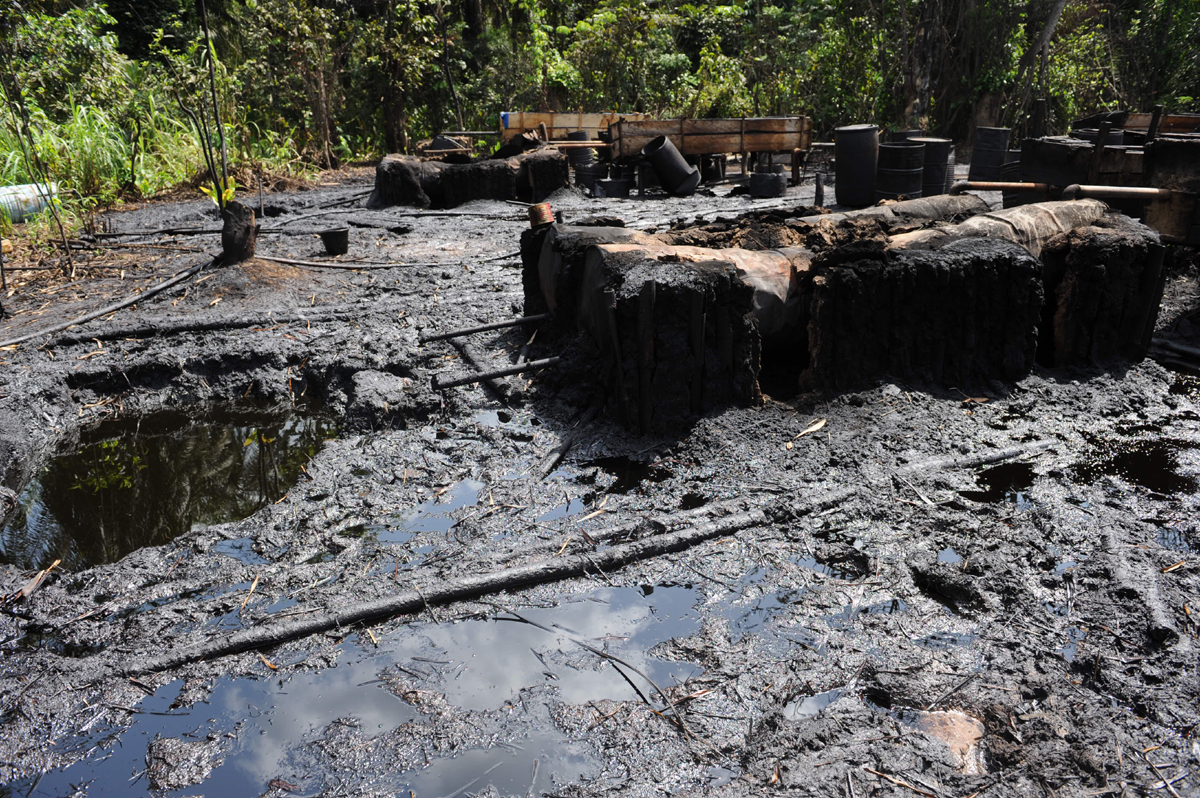
- Upstream Stabilisation: Maintaining deepwater production reliability while translating recent asset divestments into incremental onshore volumes. A key test will be progressing the Ogoni reconciliation from signed agreements to visible field activity, including forming a community equity vehicle and funding a remediation escrow.
- Gas & Power Readiness: The commissioning of the OB3 gas pipeline is highlighted as the quarter’s pivotal milestone. Successfully achieving “line packing and first gas” would unlock east-west gas balancing, boost supply to power plants, and raise electricity generation capacity.
- Policy Coherence: The government is urged to communicate a “transparent, gradual approach to subsidy retargeting,” maintain FX access for critical energy imports and spares, and sustain security coordination to protect infrastructure.
Macroeconomic Dividends of Energy Stability
The stabilisation in fuel supply is directly linked to improved macroeconomic forecasts. The report notes that reduced product import bills will ease pressure on foreign reserves, while predictable energy costs support a gradual disinflation trend. Inflation is projected to trend downward to a 21-24% range, contingent on credible policy communication.
What Success Looks Like by April 2026
The Q1 period is described as a “make-or-break execution window.” Success will be measured by:
- Sustained crude production of 1.6 – 1.72 million barrels per day.
- Dangote Refinery operating consistently at 65-85% utilisation.
- Concrete Ogoni implementation steps and OB3 pipeline commissioning milestones.
- Clear, transparent communication on subsidy management.
Risks and the Bottom Line
The report cautions that slippage on critical gas projects, ambiguity in subsidy policy, or a resurgence of pipeline sabotage could undermine progress. However, the overall tone is one of cautious optimism.
“The bottom line is that Nigeria now has a clear runway,” the Outlook concludes. “If the country uses Q1 2026 to solidify stable refining operations, lock in credible Ogoni implementation, and land OB3 commissioning, the energy sector will exit the quarter on a firmer footing. This turns a period of consolidation into a platform for measured growth, proving that Nigeria’s long-awaited transition from energy fragility to resilience is finally underway.”