Mkpoikana Udoma
Port Harcourt — The Nigerian Content Development and Monitoring Board, NCDMB, and the Petroleum Technology Association of Nigeria, PETAN, have positioned Nigeria’s oil and gas local content framework as a template for other African nations, with Namibia being urged to adopt proven strategies to maximise value from its budding petroleum industry.
Speaking at the just concluded Namibia Oil and Gas Conference in Windhoek, NCDMB’s Director of Corporate Services, Dr. Abdulmalik Halilu, said Nigeria’s local content success was anchored on “a strong regulatory framework, access to market, capacity building, funding, and research and development.”
According to him, the implementation of the Nigerian Content 10-year strategic roadmap has delivered “a remarkable growth of local content performance to 56 percent as at 2025,” while PETAN’s more than 101 member companies have created “over 30,000 direct jobs and a cumulative employment impact of more than 100,000.”
Halilu explained that these achievements were possible because of deliberate policies that compelled international oil companies to partner with Nigerian service firms and invest in local manufacturing.
“We built structures that ensure in-country value addition and guaranteed access to markets for local players,” he said.
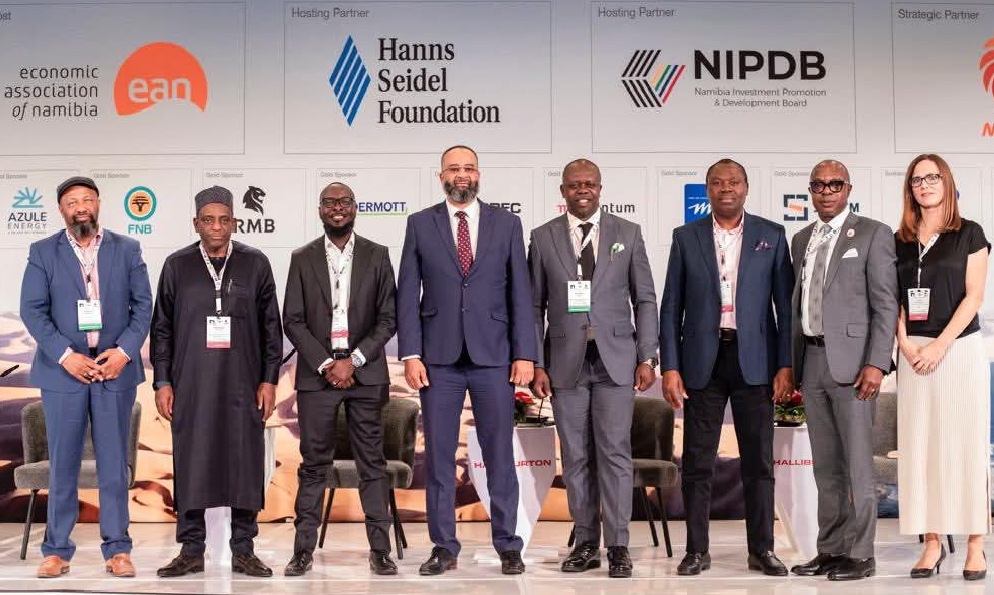
In a panel discussion titled “Local Content Development: How Namibians Can Benefit from the Oil and Gas Industry,” NCDMB’s General Manager, Corporate Communications, Dr. Obinna Ezeobi, urged Namibia to adopt Nigeria’s Project 100 initiative.
“It is a model where government strategically provides financial and non-financial support to select service companies to upscale capacity and compete globally,” he said.
Dr. Ezeobi also stressed the need for “strong political will” in implementing local content policies, adding: “Countries must communicate the policies effectively, so all stakeholders clearly understand their roles in implementation and compliance.”
He further recommended partnerships between governments and competent private sector players for delivery of strategic energy projects, sponsorship of local firms to international oil and gas conferences, and collaboration with Original Equipment Manufacturers, OEMs.
Addressing Nigeria’s initial challenges with the NOGICD Act, Ezeobi recalled, “We faced pushbacks from some international companies, scepticism about government’s commitment, and doubts about the technical capacity of local service firms. But through consistent engagement and capacity upgrades, Nigerian companies proved themselves by delivering top-quality work on schedule.”
On his part, PETAN Chairman and NCDMB Governing Council member, Mr. Wole Ogunsanya, advised Namibia to break down major projects into smaller, non-complex packages.
“This will allow upcoming local companies to compete, win, and build capacity sustainably,” he said, citing Nigeria’s detailed schedule of oil and gas activities under the NOGICD Act as a model.
NCDMB and PETAN also mounted a joint exhibition booth at the conference, attracting Namibian government officials and industry stakeholders eager to understand Nigeria’s local content law and explore opportunities for collaboration.