Precious Anga
Lagos — Nigeria is moving to increase imports of Liquefied Petroleum Gas (LPG), commonly known as cooking gas, as authorities and industry operators work to bridge an estimated 165,000-metric-tonne supply deficit threatening domestic availability and price stability.
The move comes amid rising cooking gas prices across the country, with retail prices climbing to between ₦2,000 and ₦2,400 per kilogramme in several locations, placing additional pressure on households and businesses already grappling with elevated living costs. Industry data indicates that domestic supply has struggled to keep pace with growing demand, creating a widening gap in the market.
Recent assessments by the Nigerian Midstream and Downstream Petroleum Regulatory Authority (NMDPRA) showed that the country recorded a supply shortfall of about 91,966 metric tonnes in the first half of the year, while projections suggest the deficit could expand to roughly 165,000 metric tonnes in the third quarter if additional volumes are not secured.
To prevent further supply disruptions, the Federal Government has directed the NMDPRA to intensify engagement with producers, marketers and other stakeholders to boost LPG imports and improve product availability nationwide. The intervention is expected to complement domestic production and help stabilise the market in the coming months.
Despite Nigeria’s position as Africa’s largest holder of proven natural gas reserves, local LPG supply has remained constrained by infrastructure limitations, logistics challenges and the continued export of significant volumes of domestically produced gas. Industry stakeholders argue that increasing local supply to the domestic market remains critical to achieving long-term price stability.
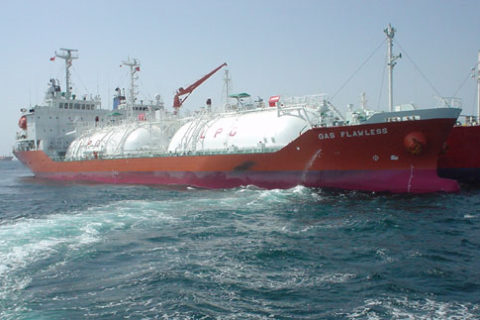
Market operators have already begun plans to bring in additional LPG cargoes, with expectations that increased imports will ease current shortages and moderate prices. Some marketers say improved supply from both imports and local producers could gradually restore balance to the market and prevent further escalation in costs.
Analysts, however, maintain that imports alone may not provide a lasting solution. They argue that sustained investment in gas processing infrastructure, storage facilities and domestic supply networks will be required to meet Nigeria’s growing LPG demand, estimated at about 1.8 million metric tonnes annually.
Industry stakeholders also believe that improving domestic gas allocation and accelerating new gas projects could strengthen energy security, reduce dependence on imports and support the Federal Government’s clean cooking and gas utilisation objectives.
With demand continuing to outpace supply, the success of the planned import programme and broader sector reforms will be crucial in determining whether Nigeria can stabilise cooking gas prices and ensure adequate product availability for consumers in the months ahead.