*Oil & Gas, Cement industries score zero
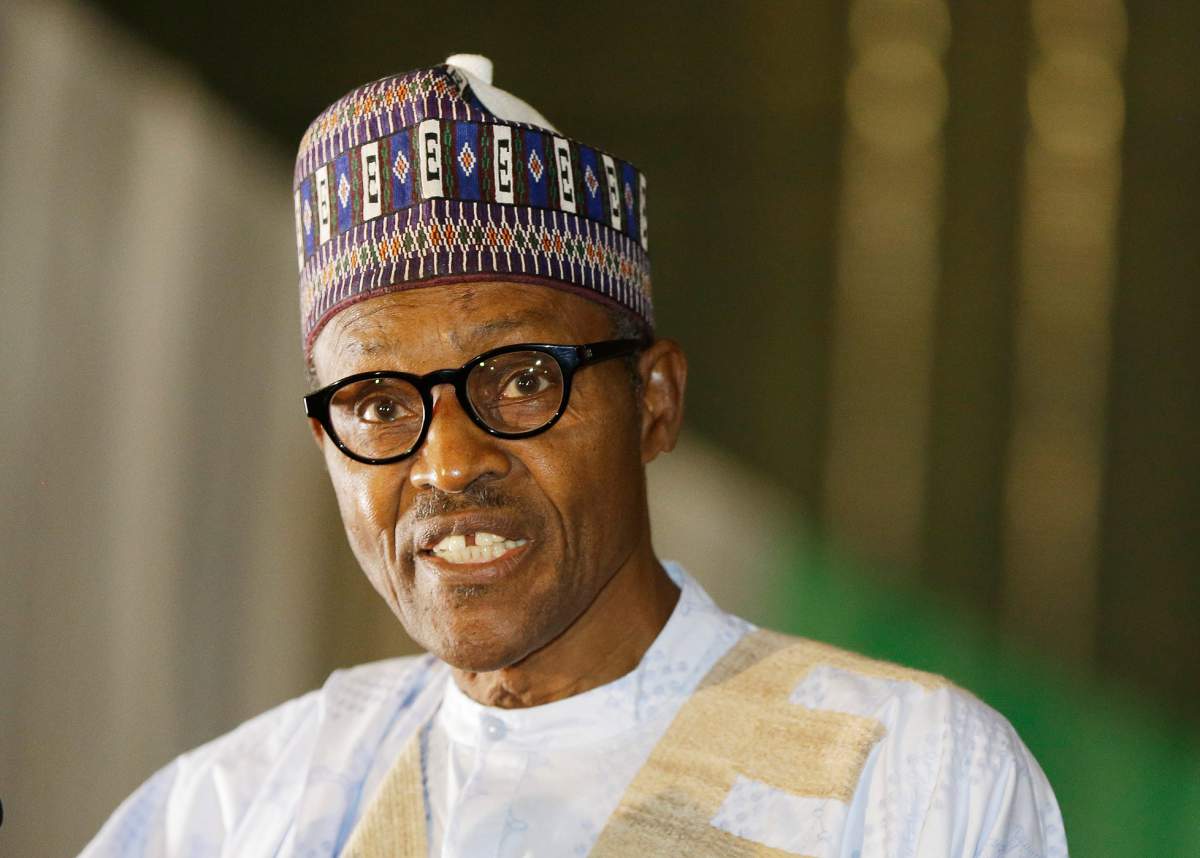
22 August 2015, Lagos – AS President Mo-hammmadu Buhari begins action on his campaign promises one of the key promises, job creation, appears to have become further worsened as a high powered report indicates a sharp drop in that major economic front in the second quarter 2015 (Q2 2015), covering his first month in office.
In the Q2 2015 total number of jobs created in the economy was just 141,368, a massive 70 per cent decline from 469,070 jobs created in the economy in the first quarter 2015 and also 45.5 per cent decline against the position in the corresponding quarter of 2014.
Two of Buhari’s key campaign promises were anti-corruption and job creation which earned him massive voter supports that pull the victory at the pools in March 2015 presidential election.
The President has since inception of his regime on May 29, 2015 embarked on further measures to stem and stifle corruption especially in the oil sector, but no visible action has been taken on job creation and general economic framework.
A job creation report released yesterday was a result of the survey by the National Bureau of Statistics (NBS) in collaboration with the Office of the Chief Economic Adviser to the President, National Planning Commission and the Federal Ministry of Labour & Productivity.
The objective of the quarterly survey is to track the number of jobs being created in the economy within a given period of time, provide multi-sectoral and policy relevant data on the employment-generating sectors, seasonality in employment and the labour market.
In the formal sector, the report shows of that 51,070 new jobs were generated, representing 36.1percent of total jobs generated in the Q2 2015. This is a decline of 61.6percent (79,871) jobs when compared to the first quarter of 2015 and a 35.2percent decline when compared to the same period in 2014.
In the informal sector in Q2 2015, an estimate 83,903 new jobs were created compared to 332,403 new jobs in the Q1 2015; this signifies a 74.8percent decrease between the two periods. The informal sector typically consists of jobs generated by individuals or businesses employing less than 10 or those businesses operating with little or no structures such as those in Agriculture and Wholesale and Retail Trade.
But in the public sector of the economy, there was a 11.7 percent (669) increase in the number of jobs created making 6,395 new jobs generated in the public sector in the Q2 2015.
The jobs generated in the public sector represents 4.5 per cent of the total jobs generated during the reference period.
A major highlight of the report is that oil and gas industry had zero new jobs in the period under review despite all the cash flow in the industry. The other industry that scored zero in job creation report was the cement industry.
It is also heart warming that the highest job creation was recorded in the education sector which employed 17,124 persons during the period despite the lean resource allocation, total neglect and poor remuneration in the sector.
Also in the top employing sectors are Manufacturing with a total of 7,781 new jobs, Agriculture sector with 7,650 new jobs and accommodation and Food Services with 4,694 new jobs.
The Quarterly Job Creation survey is a nationwide survey, covering all 36 states of the federation including the Federal Capital Territory (FCT). A sample of 5000 establishments was taken across the country covering all sectors of the economy. This round of the survey, for which estimates are being reported, achieved a response rate of 92.3 percent from the establishments selected in the sample, which is highly commendable.
Emeka Anaeto – Vanguard