Mkpoikana Udoma
Port Harcourt — Nigeria is positioning itself to unlock significant economic value from its marine resources as it doubles down on regional fisheries governance reforms aimed at curbing illegal fishing and protecting commercial stocks.
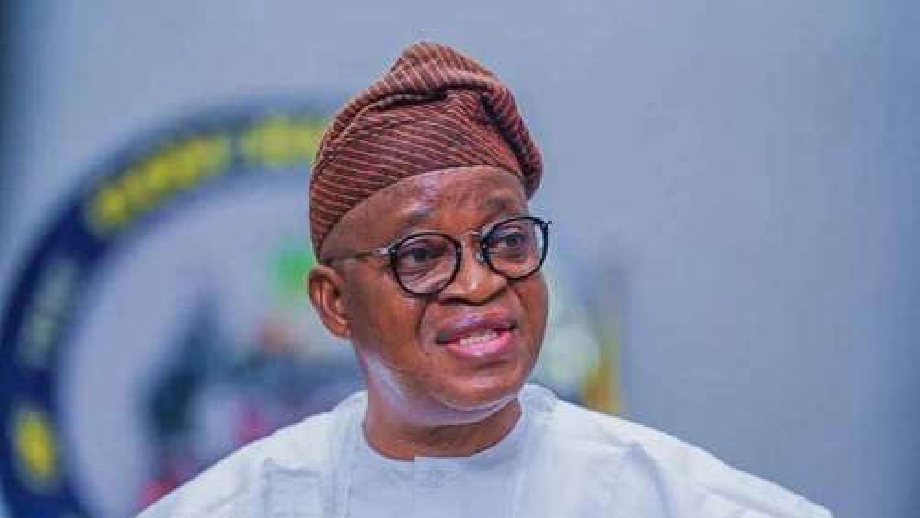
During a strategic meeting with the Secretary-General and Secretariat of the Fisheries Committee for the West Central Gulf of Guinea, FCWC, the Minister of Marine and Blue Economy, Adegboyega Oyetola, reaffirmed Nigeria’s commitment to a transparency-driven fisheries framework that could reshape the economics of the Gulf of Guinea’s seafood market.
While illegal, unreported and unregulated, IUU, fishing has long been viewed as a maritime security concern, officials are increasingly framing it as a revenue protection and investment climate issue.
Nigeria’s designation as pilot country for the Regional Record of Authorised Fishing Vessels signals a move toward digitised vessel tracking and cross-border data integration.
The measures are expected to Reduce revenue leakages from unlicensed operators,
Improve traceability for export markets, Strengthen investor confidence in Nigeria’s fisheries value chain, and Protect local operators from unfair competition.
A harmonised vessel registration across FCWC member states could significantly formalise regional seafood trade, boosting tax receipts and supporting industrial-scale aquaculture and processing investments.
As Chairman of the Conference of Ministers of the FCWC, Oyetola emphasised that enhanced maritime surveillance and inter-agency coordination are not just environmental safeguards, but economic multipliers.
“Sustainable fisheries management is central to the Blue Economy agenda,” he noted, underscoring the link between stock preservation, food security, export competitiveness and coastal employment.
The Gulf of Guinea is one of Africa’s most commercially active marine corridors, but IUU fishing continues to erode stock sustainability and market value, hence stronger governance frameworks could unlock downstream opportunities in cold chain logistics, seafood processing and marine services.
The FCWC delegation commended Nigeria’s leadership role, highlighting the country’s influence in shaping policy alignment among West and Central African coastal states.