Close Menu
    Facebook X (Twitter) Instagram
    Facebook X (Twitter) Instagram
    SweetCrudeReportsSweetCrudeReports
    Subscribe
    • Home
    • Oil
    • Gas
    • Power
    • Solid Minerals
    • Labour
    • Financing
    • Freight
    • Environment
    • Community Development
    • Renewable Energy
    • E-Editions
    SweetCrudeReportsSweetCrudeReports
    Home » Only Iran-linked vessels transiting Strait of Hormuz amid shipping halt

    Only Iran-linked vessels transiting Strait of Hormuz amid shipping halt

    March 9, 2026
    Share
    Facebook Twitter LinkedIn WhatsApp
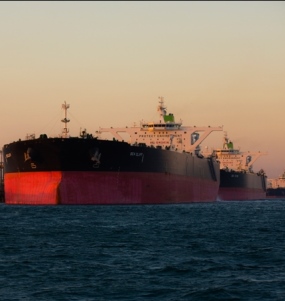
    *Iran oil tanker

    Newswire — Shipping through the Strait of Hormuz remained near a standstill for a seventh consecutive day, with Iran-linked vessels the only commercial ships observed transiting the critical waterway over the past 24 hours, according to vessel-tracking data compiled by Bloomberg.

    During the latest monitoring period, one Iran-linked bulk carrier departed the Persian Gulf, while no ships were seen entering the Gulf from the opposite direction. The last commercial vessel without an apparent connection to Iran to transit the strait was the Chinese-owned bulk carrier Sino Ocean, which made the crossing on Saturday morning.

    Traffic through the Strait of Hormuz—one of the world’s most important energy chokepoints—has effectively halted following multiple attacks on merchant vessels in the region. Ongoing missile and drone activity continues to pose a significant risk to shipping in the area.

    With oil tankers unable to move in or out of the Persian Gulf, storage tanks across the region are rapidly filling and some refineries have begun cutting processing rates. Iraq has already scaled back production, while Kuwait and the United Arab Emirates have followed with reductions. Saudi Arabia has responded by boosting shipments from Red Sea export terminals to record levels.

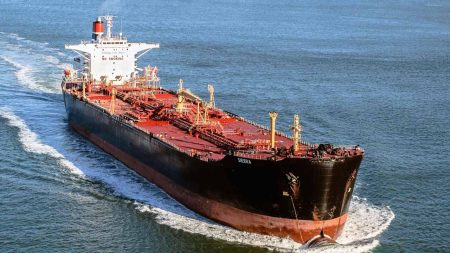
    Ship-tracking data also show that by Friday there were only nine empty supertankers remaining in the Gulf, highlighting the growing strain on export logistics as the disruption continues.

    Widespread signal interference and vessels disabling their automatic identification system (AIS) transponders have complicated efforts to track ship movements in the region. Analysts say some tankers may be transiting without broadcasting their positions, meaning confirmed traffic levels may not fully reflect actual vessel movements.

    Related News

    Schlumberger backs Nigeria’s energy reforms 

    Nigeria’s petrol import bill falls 96% to ₦87.4bn

    Itsekiri youths threaten shutdown of Chevron, Renaissance oil facilities

    Comments are closed.

    E-book
    Resilience Exhibition

    Latest News

    Methane emission regulation enforcement may unlock Nigeria’s gas revenue

    June 10, 2026

    Global banks channel $906bn into fossil fuels in 2025 despite climate commitments

    June 10, 2026

    Nigeria eyes €59m EU Fund to tackle illegal fishing

    June 10, 2026

    Nigeria’s $1trn economy needs investments, not government spending – Shettima

    June 10, 2026

    NERC unveils net billing scheme for solar power producers

    June 10, 2026
    Demo
    Facebook X (Twitter) Instagram
    • Opec Daily Basket
    • Oil
    • Power
    • Gas
    • Freight
    • Financing
    • Labour
    • Technology
    • Solid Mineral
    • Conferences/Seminars
    • Community Development
    • Nigerian Content Initiative
    • Niger-Delta Question
    • Insurance
    • Other News
    • Focus
    • Feedback
    • Hanging Out With Markson

    Subscribe for Updates

    Get the latest energy news from Sweetcrudereports.

    Please wait...
    Please enter all required fields Click to hide
    Correct invalid entries Click to hide
    © 2026 Sweetcrudereports.
    • About Us
    • Advertise with us
    • Privacy Policy

    Type above and press Enter to search. Press Esc to cancel.