 Mkpoikana Udoma
Port Harcourt — Nigeria’s fuel market could be heading for renewed turbulence as rising Middle East tensions push global crude prices toward the $100-per-barrel mark, the Petroleum Products Retail Outlets Owners Association of Nigeria, PETROAN, has warned.
Speaking, PETROAN President Dr. Billy Gillis-Harry said the escalating conflict involving the United States, Iran, Israel and their allies is already rattling global energy markets, with potentially costly consequences for Nigeria’s import-dependent downstream sector.
A Global Flashpoint with Local Consequences
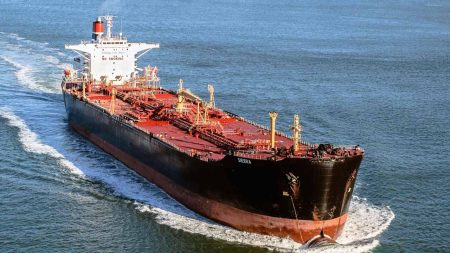
At the center of the risk is the Strait of Hormuz, a strategic maritime chokepoint that carries roughly one-fifth of global crude oil supply daily. Any sustained disruption to shipping in the corridor could sharply tighten supply and send benchmark crude prices surging.
Industry watchers are already projecting prices could breach $100 per barrel if tensions persist in the ongoing Iran versus Israel and US conflict. For Nigeria, that is not just a headline figure, it is a direct cost driver.
According to PETROAN, higher crude prices translate into increased landing costs for imported petrol, pressure on the Naira amid rising dollar demand, elevated pump prices, broader inflationary spillovers across transport and food supply chains
Import Exposure Still a Major Risk
Despite being Africa’s largest oil producer, Nigeria remains heavily dependent on imported refined petroleum products. PETROAN says that structural gap leaves the country exposed to external shocks.
“A sustained spike in crude prices will inevitably reflect at retail outlets nationwide,” the association warned.
Business Case for Local Refining
From a market perspective, PETROAN argues that strengthening domestic refining is no longer just policy ambition, it is economic necessity.
The association further tasked the government on urgent and strategic actions to safeguard Nigeria’s energy security, which it said includes;
“Encourage and prioritize local refineries by ensuring steady crude oil supply and creating enabling policies that support optimal operations.
“Sustain and strengthen the Naira-for-Crude policy to reduce pressure on foreign exchange and stabilize domestic fuel pricing.
“Urgently revamp the four government-owned refineries to restore them to full operational capacity and reduce dependence on imported petroleum products.
“Monitor global market developments and respond proactively to emerging risks.
Advocate policies that strengthen domestic refining capacity and reduce reliance on imports.
“Support measures aimed at shielding consumers from excessive fuel price shocks.
Encourage sustained investment in Nigeria’s petroleum infrastructure to guarantee long-term energy security and stability.”
PETROAN further emphasized on the need for diplomatic engagement and peaceful resolution in energy-producing regions, to safeguard global petroleum supply chains and protect Nigeria’s national economic interests.