Mkpoikana Udoma
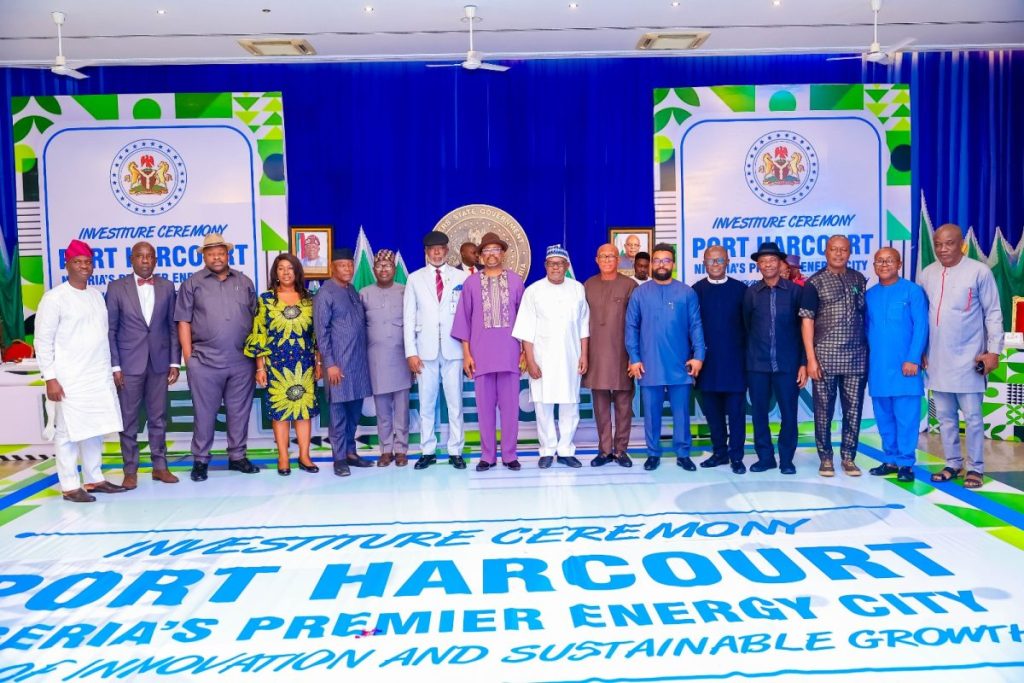
Port Harcourt — When Port Harcourt was officially unveiled as Nigeria’s Premier Energy City, it marked more than just a ceremonial rebranding. It signaled an ambitious repositioning of Rivers State – and by extension, Nigeria – at the heart of global energy conversations.
For decades, Port Harcourt has been known as the hub of Nigeria’s oil industry, home to refineries, petrochemical plants, oil service companies, and a bustling free trade zone. Yet, the city has also carried the burden of environmental degradation, underinvestment in infrastructure, and periodic political instability.
Now, the government is betting on a new identity that seeks to transform Port Harcourt from merely an oil city into a diversified, globally recognized energy powerhouse.
A Bold Re-Entry into the Global Energy Map
Central to this vision is Rivers State’s plan to re-enlist Port Harcourt into the World Energy Cities Partnership, WECP, a Houston-based network linking 19 leading energy cities including Aberdeen, Stavanger, and Perth.
Membership would bring Port Harcourt into elite company, opening doors to technical partnerships, energy investments, and cross-border innovation exchanges.
“Port Harcourt is not just Nigeria’s Energy Capital; it is destined to become the Energy Capital of Africa,” declared Vice Admiral (Rtd) Ibok-Ete Ekwe Ibas, Administrator of Rivers State. He pledged to work with the Society of Energy Editors, SEE, to restore Port Harcourt’s global standing and to host an annual international energy conference in the city.
For industry watchers, the WECP re-entry represents more than prestige. It signals an attempt to leverage international networks to attract investment into Nigeria’s oil, gas, and renewables value chains, while repositioning Port Harcourt as a destination for energy diplomacy.
Investment, Jobs, and Infrastructure on the Horizon
The rebranding carries significant economic implications. WECP membership could facilitate multibillion-dollar inflows in oil and gas services, petrochemical ventures, refining, and emerging energy technologies. It could also elevate Port Harcourt as a regional hub for logistics, training, and innovation.
Chairman of the SEE, Mallam Yakubu Lawal, called it a “game-changer,” insisting that the partnership “will restore Port Harcourt to its rightful place alongside Houston and Aberdeen as a city that drives the energy world.”
Local businesses and community leaders see opportunities in job creation, infrastructure renewal, and tourism. An international conference hosted annually in Port Harcourt would attract global players, raising the city’s profile and boosting hospitality, aviation, and real estate sectors.
The Political Undertone
Beyond economics, the designation also reflects the political ambitions of Rivers State. Energy remains Nigeria’s most strategic sector, and positioning Port Harcourt as the capital of African energy plays into both federal and regional power dynamics.
By branding the city as an international energy hub, Rivers is making a statement about its centrality to Nigeria’s energy future. Analysts suggest that this move could give the state stronger bargaining power in revenue allocation debates, investment negotiations, and federal policy discussions.
Since the discovery of oil in Oloibiri in 1956, Port Harcourt has grown into a bustling industrial nerve point. Hosting headquarters of international oil companies, leading service firms, and government regulatory bodies, the city became synonymous with Nigeria’s petroleum boom. Its refineries, port terminals, and industrial complexes shaped national revenue streams and global energy supply.
Challenges That Cannot Be Ignored
Yet, for all the optimism, challenges remain. Port Harcourt’s infrastructural deficits, security concerns, and the long-standing environmental impacts of oil exploration could undermine the vision if not addressed. Investors will be looking for clear policy stability, transparent regulations, and concrete improvements in infrastructure.
The Administrator has pledged “security, fiscal discipline, and policy frameworks” to attract and retain investment. But industry experts caution that without tangible progress on these fronts, the rebranding risks being reduced to symbolism.
From Oil to Energy: A Broader Transition
Notably, the “Energy City” tag moves beyond oil. Officials have stressed that Port Harcourt will position itself for gas development, refining, petrochemicals, and renewable energy. This aligns with Nigeria’s push to diversify its energy mix and expand opportunities in cleaner, more sustainable sectors.
For residents, this broader focus may offer a chance to rewrite the narrative of Port Harcourt, from a city burdened by oil spills and soot pollution to one leading the charge for Africa’s energy transition.
A Symbol or a Turning Point
The unveiling of Port Harcourt as Nigeria’s Premier Energy City is both symbolic and strategic. It is symbolic in acknowledging the city’s historic role in powering Nigeria’s economy. It is strategic in laying the groundwork for international partnerships, investment attraction, and policy influence.
Whether it becomes a true turning point depends on execution. If Rivers State can match ambition with infrastructure, policy consistency, and investor confidence, Port Harcourt could indeed transform into Africa’s Houston – a city that not only refines oil but refines the future of energy.
For now, the world is watching.