Abidjan, Ivory Coast — In the industrial zones of northwestern Tunisia, a quiet revolution is transforming how businesses operate and communities live. Where heavy fuel oil once dominated the energy landscape, natural gas now flows through newly constructed pipelines, bringing cleaner air and economic opportunity to a region that has long waited for such progress.
The contrast is striking when you visit facilities like SICAM, an agri-food company specializing in canned tomatoes. Not long ago, the plant ran on heavy fuel oil. Thick black smoke choked the surrounding neighborhoods, machinery clogged up quickly, and starting the boilers was time-consuming. Today, thanks to natural gas, everything has changed.
“With gas, we have eliminated pollution, reduced production costs, and increased our efficiency. We save up to 500,000 Tunisian dinars per season,” says Kamel Trabelsi, Deputy Director General of SICAM.
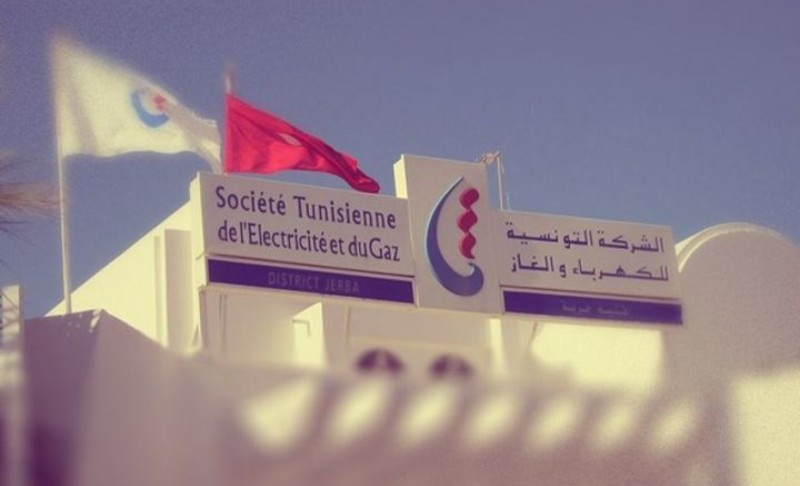
This transformation was made possible by the Natural Gas Transport and Distribution Network Development Project in Western Tunisia, implemented by the Société Tunisienne de l’Électricité et du Gaz (STEG), with €49.39 million in financing from the African Development Bank.
A transformative project for households and businesses
Designed to improve access to cleaner, more affordable, and more reliable energy in a historically underserved region, the STEG project has already achieved two major natural gas activations: in February 2025 in Béja Sud and in June 2025 in Mjez Elbeb.
These rollouts connected over 1,250 households to the natural gas network. Eventually, the infrastructure will serve 13,500 subscribers across 19 municipalities in Tunisia’s Northwest, including 2,500 additional connections by the end of this year.
“This project is truly improving people’s lives. It not only heats homes, but also boosts local economic activity,” notes Mohamed Riadh Hellal, Lead Department Head at STEG and the project’s coordinator.
Driving industrial and economic growth
Beyond residential connections, many businesses are benefiting from the switch to natural gas — with positive impacts on performance, production costs, and environmental sustainability.
“Thanks to natural gas, our boilers now reach 95% capacity in record time. Efficiency is up, maintenance is easier, and pollution has dropped significantly,” explains Mr. Trabelsi. SICAM, connected to the grid in October 2024, now uses around 17,000 m³ of natural gas per production cycle.
According to Mehdi Khoali, Chief Operations Officer at the African Development Bank, “One of the project’s most transformative outcomes is the gradual industrialization of the serviced zones. Around ten new industrial units — including brickyards and cement plants — have been established thanks to the gas supply. Others have expanded their operations. This is helping create jobs and strengthen regional economic resilience.”
A model partnership between the African Development Bank and STEG
The project also stands as a model of effective collaboration between STEG and the African Development Bank. Mr. Hellal commends the Bank’s swift disbursement process: “The African Development Bank disburses funds within five to seven days on average, compared to up to two months with other donors. That has been key to keeping the project on track.”
By accelerating the energy transition, fueling industrialization, and improving living standards in western Tunisia, the STEG project — backed by the Bank — aligns seamlessly with Tunisia’s national priorities for inclusion, green growth, and balanced regional development.