Close Menu
    Facebook X (Twitter) Instagram
    Facebook X (Twitter) Instagram
    SweetCrudeReportsSweetCrudeReports
    Subscribe
    • Home
    • Oil
    • Gas
    • Power
    • Solid Minerals
    • Labour
    • Financing
    • Freight
    • Environment
    • Community Development
    • Renewable Energy
    • E-Editions
    SweetCrudeReportsSweetCrudeReports
    Home » Nigeria introduces presumptive tax rules to formalise MSMEs, expand revenue base

    Nigeria introduces presumptive tax rules to formalise MSMEs, expand revenue base

    March 8, 2026
    Share
    Facebook Twitter LinkedIn WhatsApp
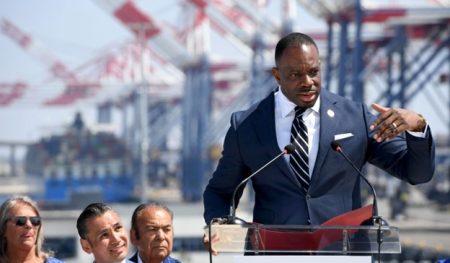
    *Wale Edun

    Mkpoikana Udoma

    Port Harcourt — Nigeria has introduced new Presumptive Tax Rules aimed at simplifying tax compliance for micro, small and medium enterprises, MSMEs, while expanding the country’s tax base without increasing tax rates.

    The Minister of Finance and Coordinating Minister of the Economy, Wale Edun, announced the initiative as part of the Federal Government’s broader fiscal reform strategy to strengthen revenue mobilisation and deepen economic inclusion.

    Edun said the new framework will make it easier for small businesses across the country to comply with tax regulations while providing a structured pathway for them to transition into the formal economy.

    According to the minister, the policy is designed to remove the complexities often associated with tax administration for smaller enterprises, which frequently operate outside formal regulatory structures.

    “Our fiscal strategy is anchored on expanding the tax base rather than increasing tax rates. Inclusion drives sustainability,” Edun stated.

    He explained that the presumptive tax framework introduces simplified compliance mechanisms that reduce administrative burdens on MSMEs, allowing them to meet their obligations more easily while participating in Nigeria’s formal economic system.

    The reform aligns with the economic agenda of President Bola Ahmed Tinubu, which prioritises fiscal sustainability, improved revenue generation, and the creation of a more inclusive economic environment for businesses.

    Under the new rules, small businesses will be able to comply with tax requirements through simplified procedures that are expected to reduce compliance costs and encourage voluntary participation.

    The government believes that widening the tax net through simplified regimes for MSMEs will strengthen long-term fiscal sustainability while supporting Nigeria’s transition to a more structured and transparent economic system.


    Related News

    Nigeria flares 77bn cubic feet of gas as LPG prices soar

    Nigeria’s crude oil imports soar 309% to $1.39bn

    US praises Nigeria’s CNG push, urges wider adoption

    Comments are closed.

    E-book
    Resilience Exhibition

    Latest News

    PTDF seeks stronger talent pipeline for oil industry growth

    June 22, 2026

    NMDPRA tasks Indorama on operational excellence, safety compliance

    June 22, 2026

    OPEC projects $92bn refining investment for Africa by 2050

    June 22, 2026

    Gas leak, pipeline attacks force Rivers community residents to flee

    June 22, 2026

    NIMASA signs capacity development MoU with ITC-ILO

    June 22, 2026
    Demo
    Facebook X (Twitter) Instagram
    • Opec Daily Basket
    • Oil
    • Power
    • Gas
    • Freight
    • Financing
    • Labour
    • Technology
    • Solid Mineral
    • Conferences/Seminars
    • Community Development
    • Nigerian Content Initiative
    • Niger-Delta Question
    • Insurance
    • Other News
    • Focus
    • Feedback
    • Hanging Out With Markson

    Subscribe for Updates

    Get the latest energy news from Sweetcrudereports.

    Please wait...
    Please enter all required fields Click to hide
    Correct invalid entries Click to hide
    © 2026 Sweetcrudereports.
    • About Us
    • Advertise with us
    • Privacy Policy

    Type above and press Enter to search. Press Esc to cancel.