Mkpoikana Udoma
Port Harcourt — The Youths and Environmental Advocacy Centre, YEAC-Nigeria, has raised alarm over worsening marine pollution in the Niger Delta, warning that oil spills, gas flaring, plastic waste, and illegal crude refining are pushing coastal ecosystems toward collapse.
In a statement marking World Oceans Day 2026, the group said the global theme, “Reimagine: Beyond the world we know, a new relationship with our ocean,” must be urgently applied to Nigeria’s coastal realities, where communities depend directly on creeks, estuaries, and Atlantic coastlines for survival.
YEAC-Nigeria Executive Director, Dr. Fyneface Dumnamene Fyneface, said the Niger Delta is facing a deepening environmental crisis that demands immediate policy and enforcement action.
“The 2026 theme challenges us to move from seeing the ocean as a distant resource to recognizing it as the life source we depend on daily,” he said.
He warned that pollution from illegal artisanal crude oil refining, commonly referred to as “kpo-fire”, remains a major but often underreported driver of environmental degradation in coastal communities.
“A major, subsisting threat we must highlight is the impact of pollution from illegal and artisanal crude oil refineries,” the statement said.
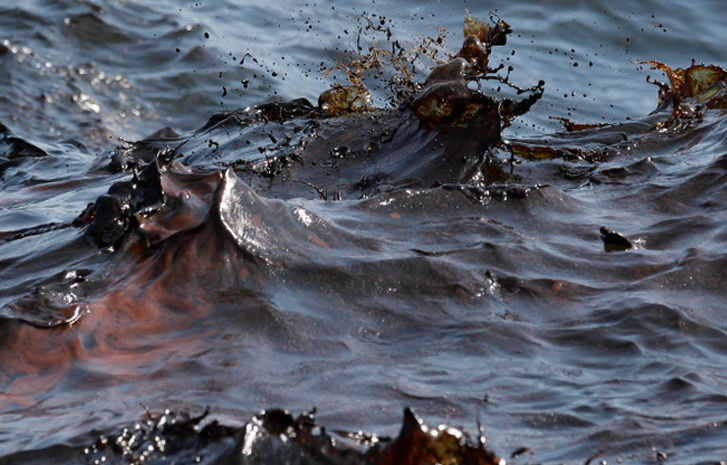
According to YEAC-Nigeria, these illegal operations discharge unprocessed crude residues, toxic sludge, soot, and heavy metals directly into waterways, creating what it described as “marine death zones.”
“The impact is severe as it causes marine death zones where oil sludge smothers fish breeding grounds, mangrove roots, and benthic life, collapsing fish stocks that coastal communities depend on,” Dr. Fyneface stated.
The group further warned that contaminated water sources are exposing residents to serious health risks.
“Water contamination exposes communities to carcinogens like PAHs and heavy metals, leading to skin diseases, respiratory illness, and long-term health risks,” he said.
YEAC-Nigeria also linked soot emissions from incomplete combustion of crude oil to worsening climate and health conditions in the region.
“Black carbon settles on water surfaces, blocks sunlight, worsens respiratory health, and contributes to accelerated climate warming,” the statement added.
The organization said the combined impact of illegal refining, corporate oil spills, and plastic pollution has intensified environmental stress across the Niger Delta, where millions depend on fishing and coastal livelihoods.
YEAC-Nigeria urged the Federal Government, regulatory agencies, and oil companies to adopt stronger intervention measures, including expanded Marine Protected Areas, MPAs, and stricter enforcement against environmental crimes.
It called for accelerated cleanup efforts in line with the UNEP Ogoniland Report (2011) and the Bayelsa State Oil and Environmental Commission Report (2023), as well as greater investment in community-led restoration initiatives.
The group also advocated for sustainable livelihood alternatives, including modular refineries and solar-powered economic activities, to reduce dependence on illegal refining practices.
“We urge stakeholders to support community-led Marine Protected Areas, strengthen monitoring and penalties for oil spills, and implement a transition plan for safe, legal livelihoods,” YEAC-Nigeria stated.
Dr. Fyneface concluded by calling for collective action to protect ocean ecosystems, urging citizens and institutions to take environmental responsibility seriously.
“Protecting the ocean is protecting our future,” he said.